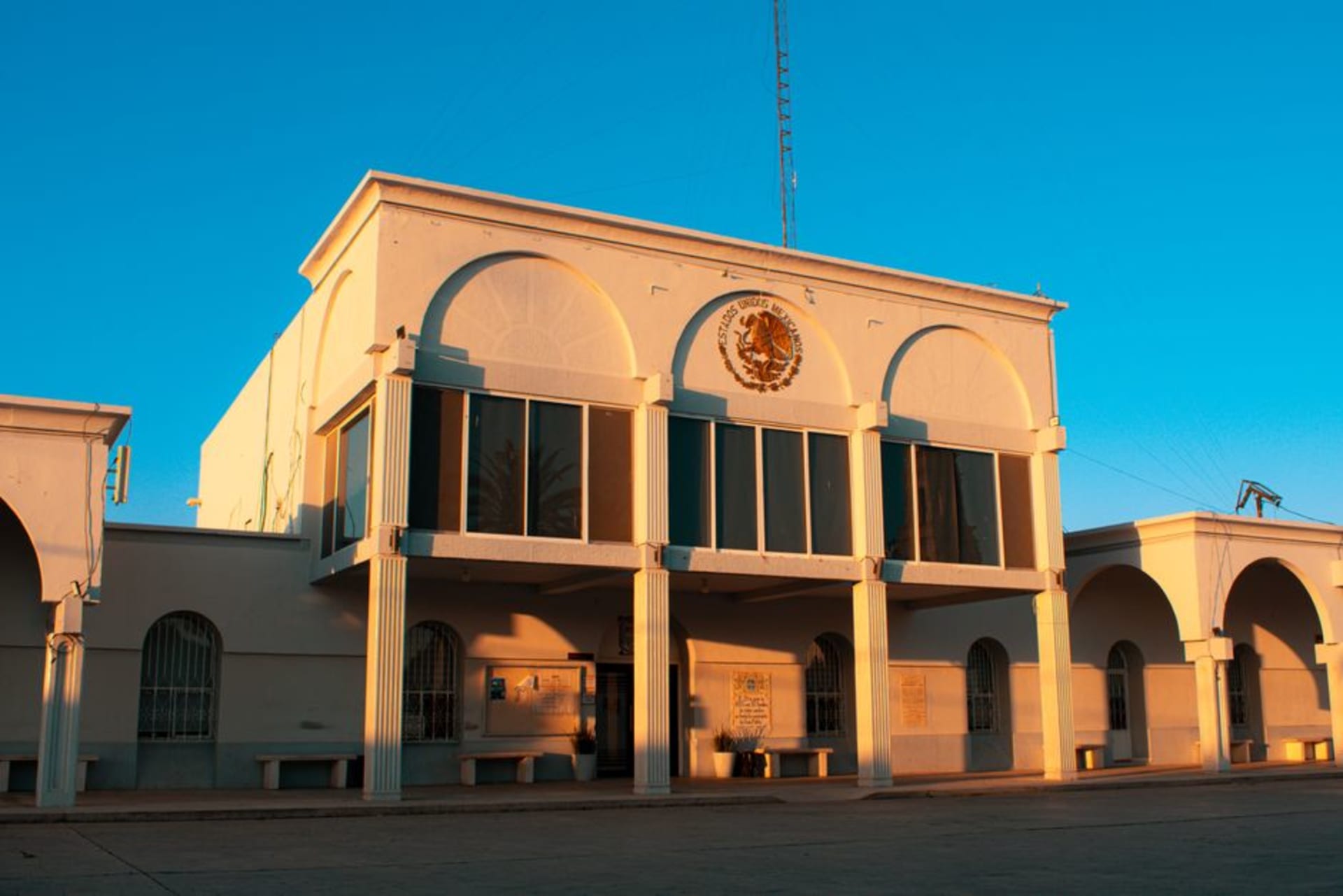
Cuauhtémoc
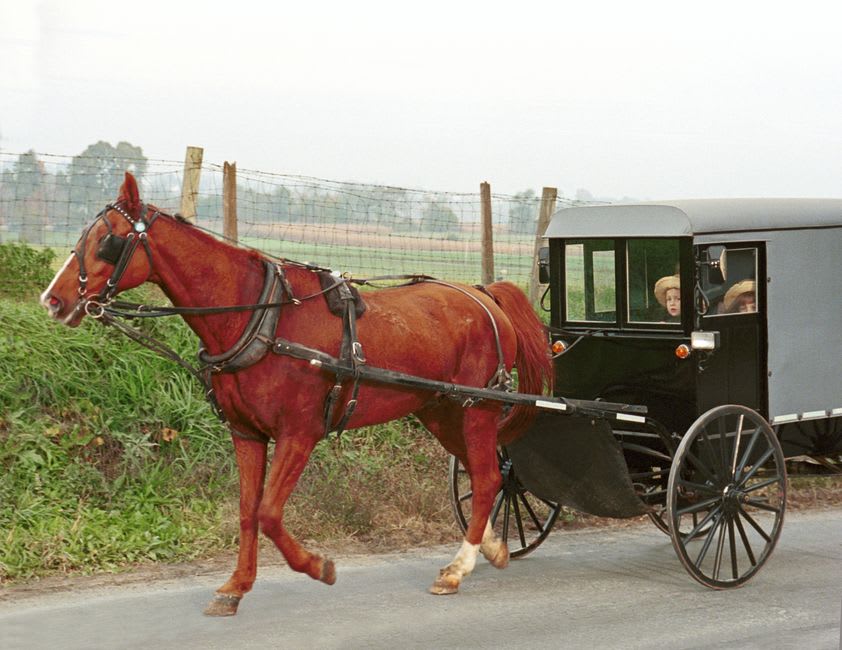
"I ate a wedge of apple cake standing next to a horse-drawn buggy in a Chihuahua parking lot, handed over by a Mennonite grandmother who spoke no Spanish. This state contains multitudes."
The Friday market in Cuauhtémoc was not part of the plan. I was driving west from Chihuahua City toward Creel, doing what everyone does on that road, and the exit sign caught my eye at half past ten. I turned. I parked next to a horse-drawn buggy — a real one, with a patient horse — and walked into a covered market where women in printed bonnets were selling blocks of fresh cheese and slices of apple cake from folding tables. Someone nearby was speaking Low German. A rooster was involved, for reasons I never established. I stood there recalibrating for several minutes.
A Market That Operates in Three Languages
The Mennonite colonies spread across the valley around Cuauhtémoc number somewhere around sixty — each one a numbered campo, from Campo 1 outward — and on Fridays their residents come into town. The covered market near the Palacio Municipal fills with women in long floral dresses and men in overalls and suspenders, selling cheese by weight, apple preserves in jars, dried fruit, cream. Around them the regular market continues: chilies, clothing, electronics. Nobody is performing for the other. This is just Friday logistics, conducted simultaneously in Plautdietsch, Spanish, and occasionally Rarámuri from the mountains to the west.
I photographed a stall once, then put the phone away. It felt wrong. These are people running a market, not an attraction.
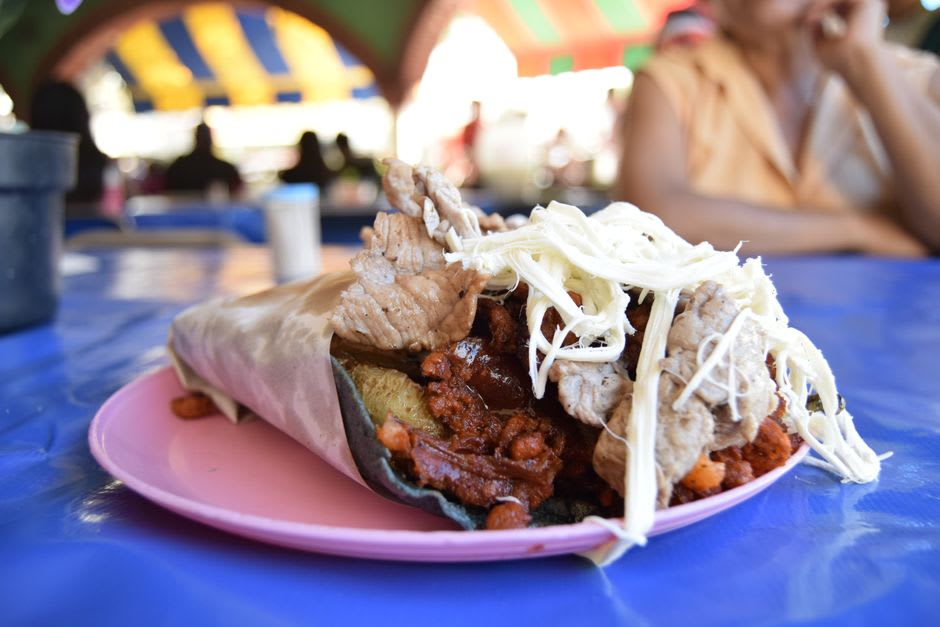
The queso menonita sold here — pulled from the dairy that morning, still slightly warm, wrapped in paper — bears almost no resemblance to the vacuum-packed blocks in supermarkets that carry the same name. Buy more than you think you need. You will not regret this.
The Cheese That Migrated Twice
The families who built these colonies had already moved continent twice before arriving in Chihuahua. They came from Russian Mennonite settlements to Manitoba, and from Manitoba to northern Mexico in the 1920s — seeking land, autonomy, and distance from compulsory education laws. They brought their dairy practices with them, and the cheese they made on those early farms became, over the following century, the most widely consumed melting cheese in Mexico. Queso Chihuahua is on every menu from Sonora to Veracruz, and its origin story is almost entirely unknown to the people eating it.
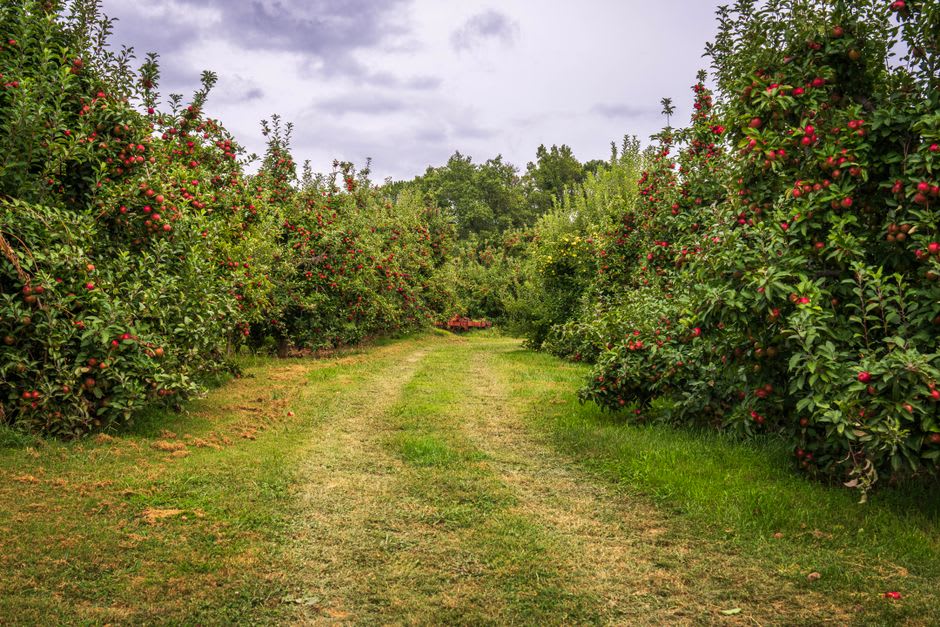
In the Mercado Municipal on Avenida Allende you can buy cheese in four or five formats, alongside apple cider, vinegar, preserves, and dried rings. In September and October the orchards above town produce a harvest worth driving into the hills for. The altitude gives the fruit a tartness that doesn’t survive shipping south — it is genuinely different from any apple you’ll eat in Oaxaca or Mexico City, and it goes without saying that the apple cake is excellent.
Driving the Colony Roads
The real pleasure of Cuauhtémoc is outside town. Take any of the dirt roads east into the campos and you’ll pass farmhouses with Gothic-script signs — cheese shops, orchards, the occasional painted advertisement in Plautdietsch — set against the western shoulder of the Sierra Madre. It is, genuinely, a strange and beautiful landscape: high desert floor, apple trees in rows, wood-frame houses that wouldn’t look out of place in Manitoba.
I stopped at a roadside shop on the carretera toward Álvaro Obregón where a teenager handed me samples of four different quesos without a word of sales pitch. I left with half a kilo of the aged version and no regrets. Come on a Friday. Drive slowly. The afternoon light on those farmhouses rewards patience.
Getting There
Cuauhtémoc sits 105 kilometres west of Chihuahua City on Highway 16 — roughly an hour and fifteen minutes by car, or two hours on the regional bus from Chihuahua’s Central Camionera. It falls naturally on the route to Creel and the Copper Canyon, making it an easy morning stop if you’re heading that direction anyway. The market runs Fridays and Saturdays. Altitude is around 2,100 metres; evenings are cold year-round.