Chihuahua City
"Chihuahua is a real city doing real things — cattle, industry, politics — and it hasn't noticed it's supposed to slow down and become picturesque for visitors."
I had twenty-four hours before the Chepe train departed and I had planned to spend them doing nothing in particular — eating, walking, recovering from the overnight bus from Mexico City. I did not expect to spend most of them in a genuine state of absorption.
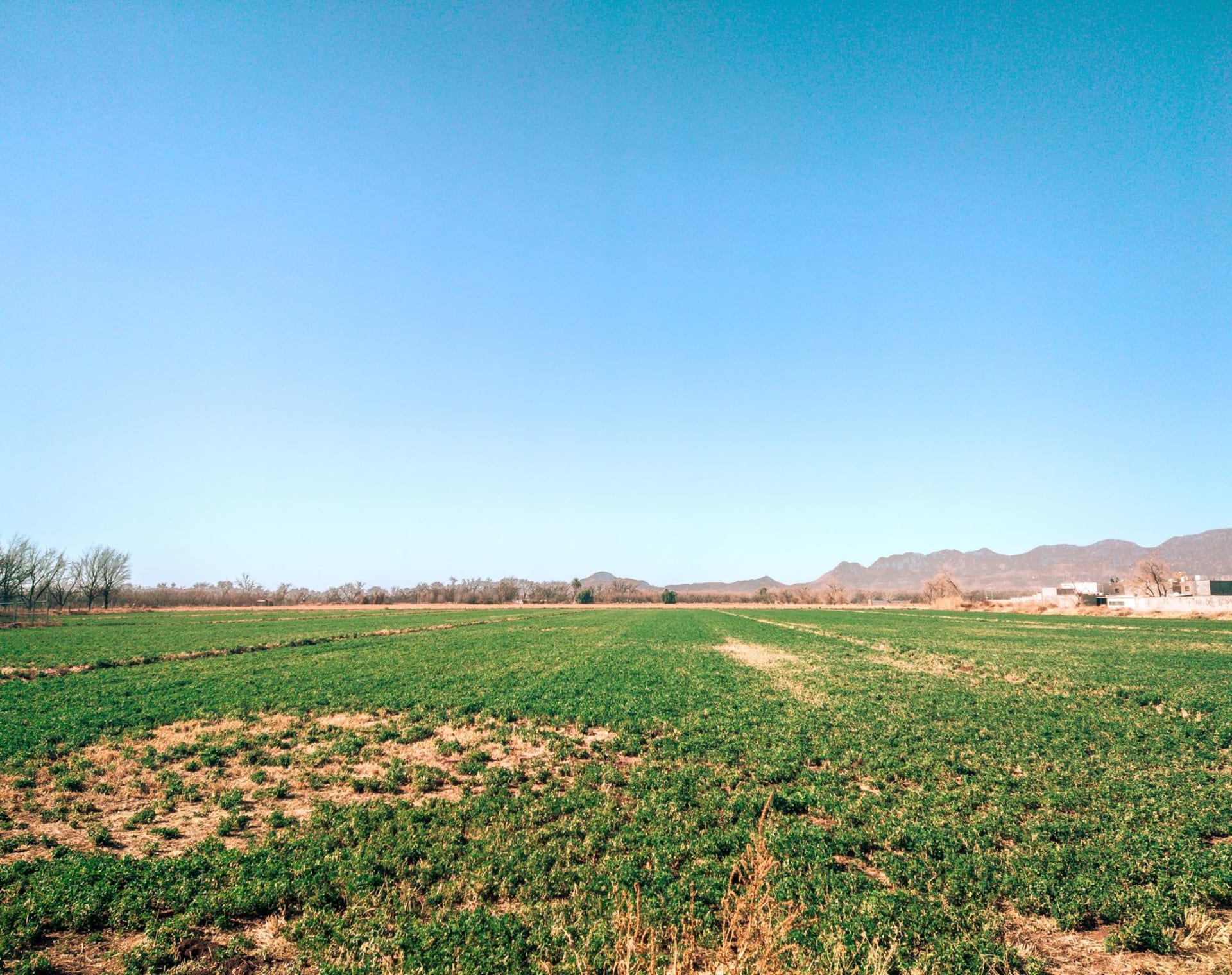
Chihuahua City is not a colonial jewel in the Oaxaca or San Cristóbal mold. It doesn’t have the manicured centros and the Instagram-ready alleyways and the international café scene. It’s a big northern city, flat and sun-blasted, built on cattle and mining and the particular energy of a place that was the military and political capital of the Mexican Revolution. The streets are wide. The traffic is real. People drive trucks. And in the middle of all this there are things — a Moorish cathedral facade, a revolutionary war museum, murals that no one in France has heard of — that have no business being as extraordinary as they are.
The House of Pancho Villa
The Museo de la Revolución Mexicana occupies the house where Pancho Villa lived with his widow Luz Corral after the revolution. It’s called Quinta Luz — the Fifth of Luz — and it’s a large, pleasant colonial house that contains, in its courtyard, a 1919 Dodge touring car with forty bullet holes in it.
This is the car in which Villa was assassinated in July 1923, ambushed on a road in Parral by gunmen who fired from a building as he slowed at an intersection. He was shot seven times. The car was hit forty times total. It sits in the courtyard under a roof and the light comes in through a skylight and falls on the pocked metal and it is one of the most arresting objects I have seen in any museum, anywhere. Not because of the drama — though there is drama — but because of the specificity. This exact car. These exact holes. One hundred years ago and three hundred kilometers from here.
The rest of the museum is a serious archive — photographs, documents, weapons, clothes. The photo collection alone is extraordinary: Villa in battle, Villa in exile in the US, Villa on horseback, Villa sitting across a table from Zapata in 1914 in the famous photograph where both men look tired and wary in the Presidential Chair of Mexico. Mexican families move through it the way French families move through the Mémorial de Verdun — not as tourism but as memory, as something owed. I watched a grandfather explain something to his grandson in front of a case of rifles and the boy listened in the way children listen when they understand that they’re being handed something.
Villa’s personal bedroom is preserved: his hat, his boots, the furniture. His widow Luz Corral lived in the house until her death in 1981, maintaining it as a museum for nearly sixty years. There is something in this — fifty-eight years of a woman tending the legacy of a man who was murdered at sixty, in a car, on a Tuesday — that I found difficult to look away from.
The Cathedral and the Night Market
I sat in front of the Chihuahua Cathedral for an hour the afternoon I arrived and I would have stayed longer if I hadn’t gotten hungry.
The cathedral was built between 1726 and 1826 — a century of construction, which accounts for why the facade is this layered, accretive thing, Baroque in the structural bones but with ornamental detail that keeps evolving as you look. The stone in Chihuahua is warm-toned, sandstone-adjacent, and in the afternoon light it turns the color of old honey. Two bell towers frame the entrance, asymmetrical in ways you don’t notice immediately and then can’t stop noticing. It is, frankly, one of the most beautiful church facades in northern Mexico, and virtually no one outside the country mentions it.
The Palacio de Gobierno on the same plaza contains murals that deserve an entire afternoon and almost never get one. These are from the 1960s, the kind of sweeping historical narrative murals in the Rivera/Siqueiros tradition, covering the full arc of Chihuahuan history — the Rarámuri people of the Copper Canyon, the Spanish colonial period, the independence movement. The central image is the execution of Miguel Hidalgo, the priest who launched the Mexican independence movement and was eventually shot in Chihuahua in 1811. It’s the size of a wall and painted with the particular controlled fury of Mexican muralism at its most serious. I was one of three people in the room.
The night market started at dusk. I’d asked the hotel where to eat and the woman at the desk said discada without hesitation and wrote down a street.
Discada is the quintessential northern dish and I evangelize about it to anyone who will listen, though it is nearly impossible to find outside the northern states. It’s a mixed meat fry — machaca (dried shredded beef), chorizo, bacon, ham, sometimes longaniza — cooked on a disc de arado, a plow disc, over an open flame until everything caramelizes together with roasted chiles and onions and tomatoes. Served in a gordita — a thick corn masa pocket — with salsa and crema and whatever else you want.
I ate two gorditas de discada at a table on the pavement at 9:30pm, with a cold Tecate and the city going on around me. Norteño music from a speaker somewhere. A family at the next table sharing a plate the size of a hubcap. The smell of the cooking fat and the chiles and the warm masa. France has its slow-cooked traditions, its confit and its cassoulet, things that begin as peasant pragmatism and become cultural touchstones. This is the northern Mexican version of that — a dish born from working land, from the disc harrow of a farmer who needed to feed a crew, and it has become something you eat at 10pm in a plastic chair on a pavement and feel like you’ve been given something essential.
The Train and the Wild West Feeling
The Chepe — the Ferrochihuahua, formerly the Chihuahua al Pacífico — departs from the old station near the city center and travels 655 kilometers to Los Mochis on the Sinaloan coast, through the Barrancas del Cobre: the Copper Canyon system, which is larger in total area than the Grand Canyon. The project was proposed in 1872 and finished in 1961. It required eighty-seven tunnels and thirty-seven bridges and runs through terrain that engineers in 1872 simply decided was impossible and then did anyway.
I stood on the platform the morning of departure and thought about the men who built this. That’s a thing I do that Lia finds excessive — stand in railway stations and think about the construction labor — but this one warranted it. The scale is not apparent until you’re in it, winding through the canyon walls at 2,400 meters, looking down at rivers that are a kilometer below.
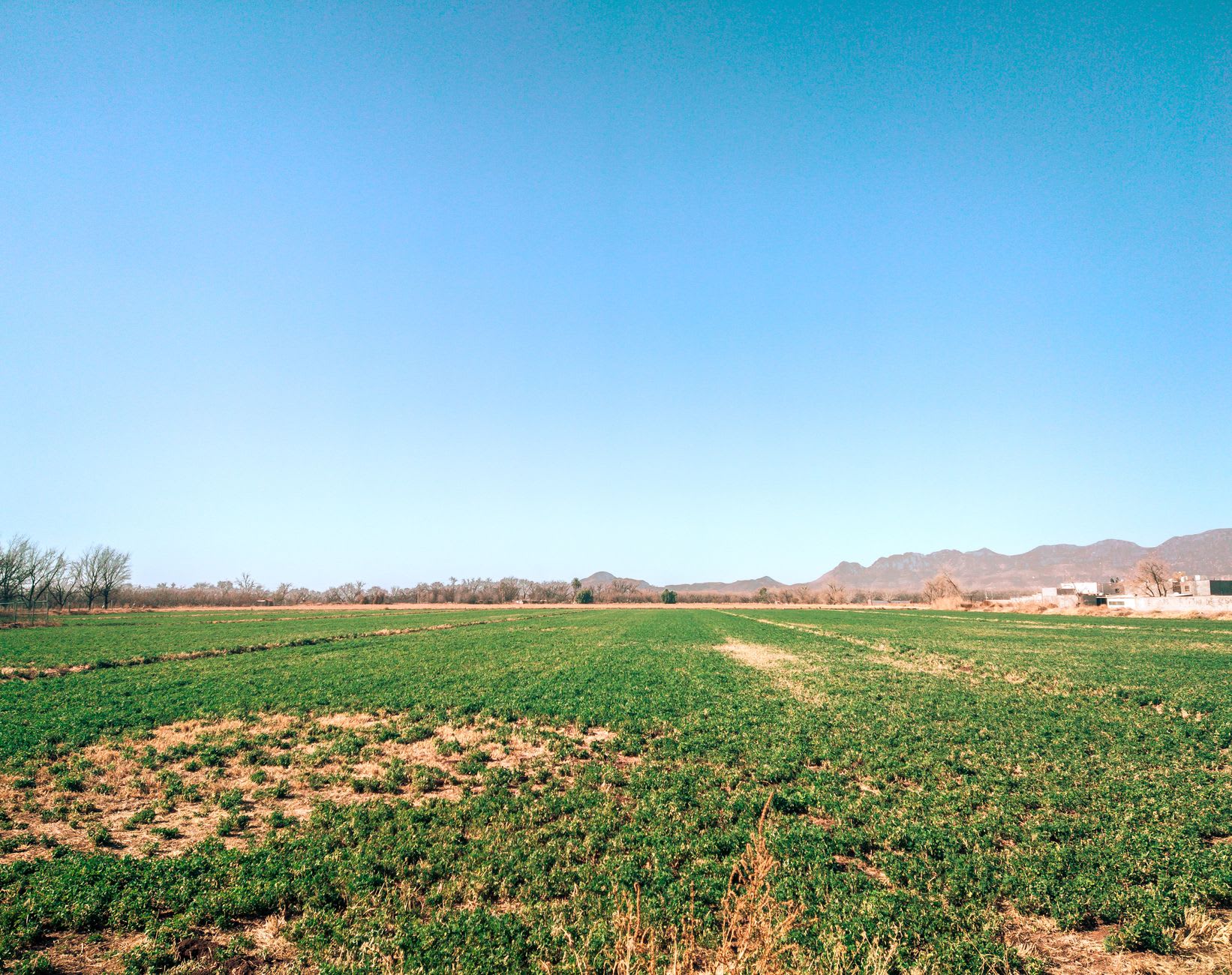
But what I want to say about Chihuahua City itself, separate from the train: it has a quality that I find harder and harder to locate as Mexico becomes more touristed. It is a place that has its own reasons to exist and pursues them without reference to the traveler. Cattle ranching, manufacturing, trade across the US border, a university, a professional football team, a genuine local political culture. People here wear cowboy boots not because they’re performing anything but because they ranch cattle and have always worn cowboy boots. There is a mythology about the American Wild West — France absorbed it entirely through films, through the spaghetti westerns shot in Spain, through American pop culture — and this is the actual geography that produced it, the high desert and the cattle and the men on horses who were real and violent and complicated. Chihuahua doesn’t need to point this out. It just is it.
Getting There, Where to Stay, When to Go
Fly from Mexico City — roughly 1.5 hours, multiple daily flights on Aeromexico and Volaris. The airport is fifteen minutes from the centro. Alternatively, the overnight bus from Mexico City (ADO or Elite) is a long 18 to 20 hours; I’ve done it once and would not do it again unless the flights were all sold out.
The Chepe train requires advance booking, especially in high season (October–November is the most popular, when the canyon vegetation turns). Book through the official Ferrochihuahua site. First class is considerably more comfortable and worth the difference; the dome car with panoramic windows is unreserved seating and fills up fast at the scenic sections.
Stay near the centro — most of the things worth seeing are walkable. There are several mid-range hotels in converted colonial buildings that are comfortable without being expensive. Book in advance if you’re arriving the night before the train.
Best seasons: spring (March–May) for mild temperatures and clear skies, and autumn (September–November) for the canyon colors. Summers are genuinely hot and dry. Winters can be cold — Chihuahua is high desert at 1,400 meters — with occasional frost, though the days are usually clear and sunny.
The Quinta Luz museum is closed on Mondays. The cathedral is open daily and free.