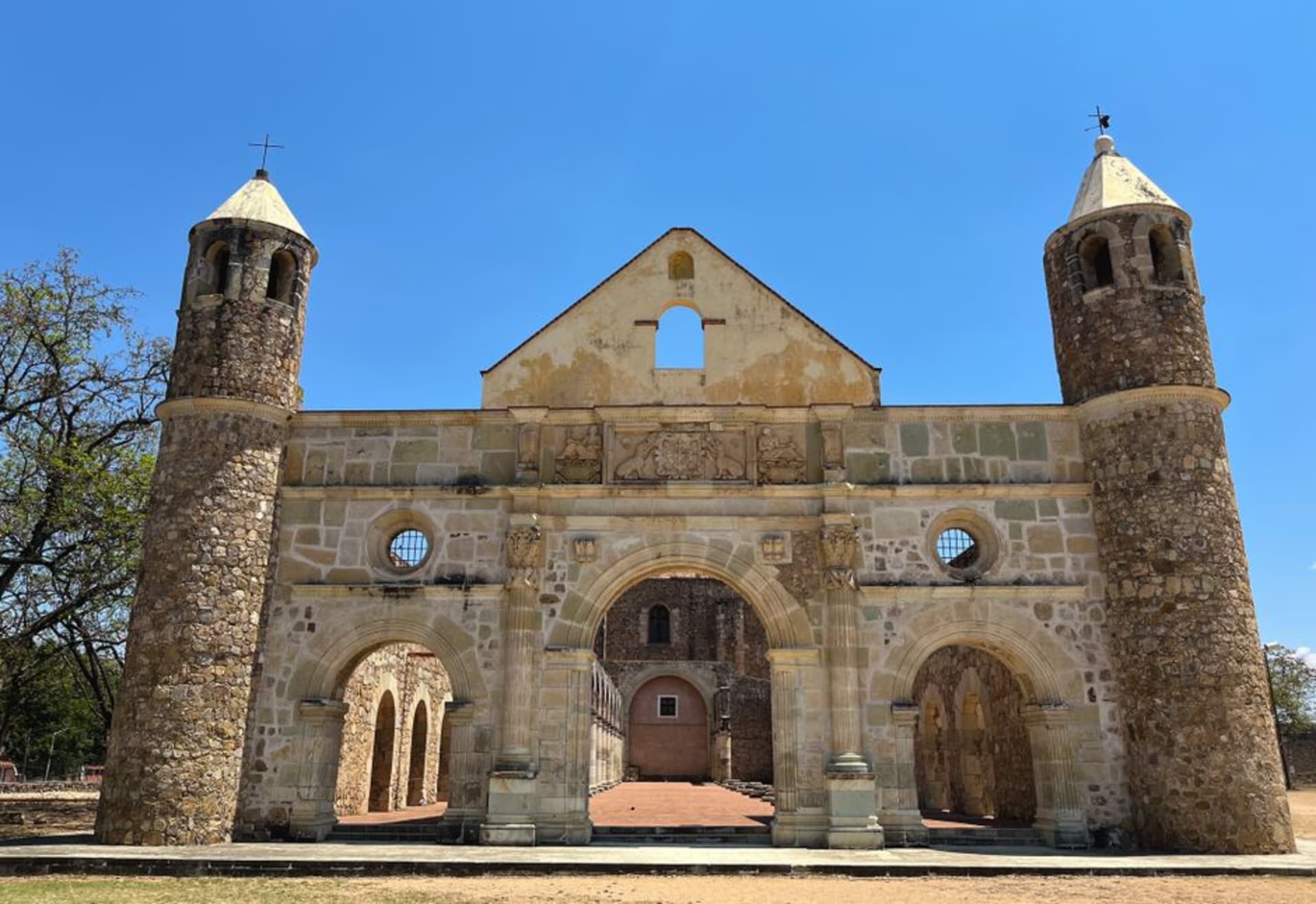
Hecelchakán
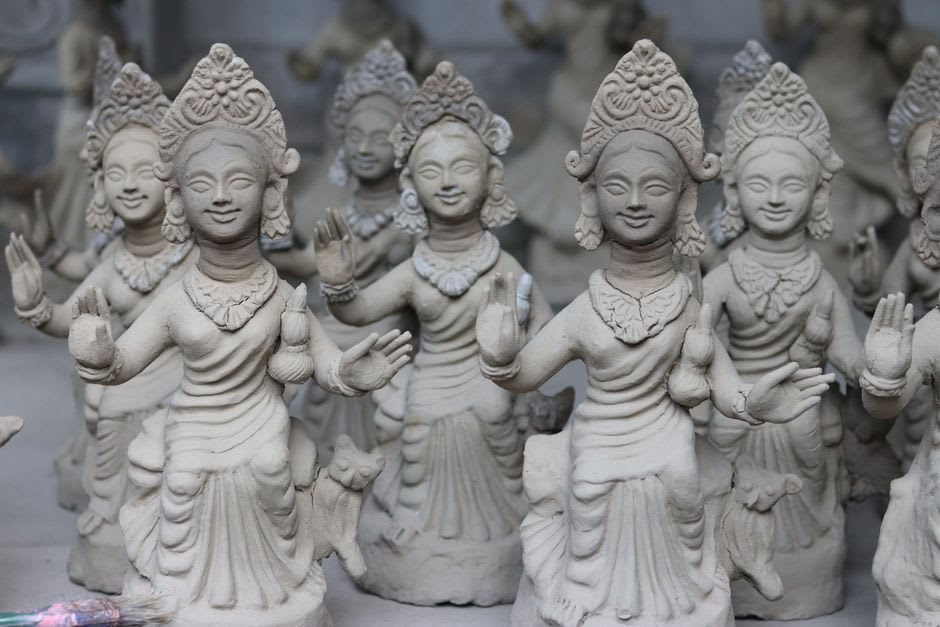
"The Jaina figurines are so expressive and so small that I kept leaning in closer, and the museum guard eventually came over to make sure I was not going to breathe on them."
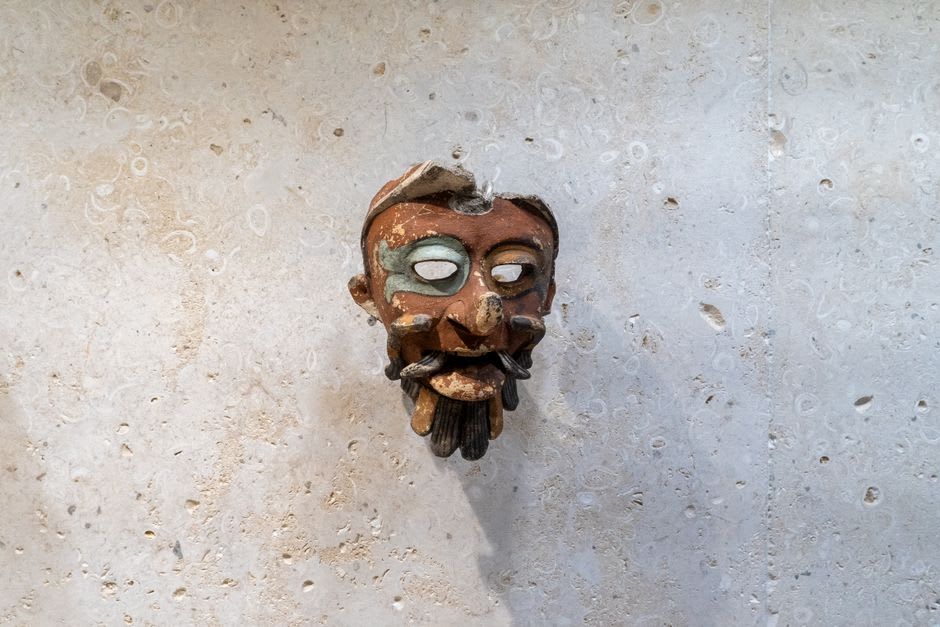
I stopped in Hecelchakán because the highway sign said “Museo de la Máscara” and I had forty minutes to spare before the next colectivo south. That is the full and unvarnished explanation for how I ended up spending three hours in one of the most quietly extraordinary museums on the Yucatán Peninsula. Some detours are accidental. Some are the only kind worth making.
The Figurines from Jaina
The Museo de la Máscara occupies a whitewashed colonial building two blocks from the main plaza, and nothing about its exterior prepares you for what is shelved inside. The Jaina figurines — named for the small offshore island in Campeche state that served as a Maya funerary site — are ceramic portraits made at roughly the scale of a chess piece. Warriors in elaborate headdresses. Scribes with their hands posed mid-gesture. Ballplayers with protective gear strapped to their hips. Nobles wearing the particular expression of people who understood they were being buried with care. Each figure was hand-formed, most dating to somewhere between 600 and 900 CE, and each has a face specific enough to suggest it was made for one particular person.
I leaned very close to a seated woman with a loom across her lap, trying to make out the weave pattern pressed into the clay. The guard materialized at my elbow with the calm efficiency of someone who has done this exact thing many times. We reached an understanding without speaking. I stepped back. The figurine did not move.
The Plaza and the Relleno Negro
Hecelchakán operates at the pace of a slow Tuesday afternoon, which is precisely when I arrived. The main plaza is shaded by old laurel trees and occupied by a small number of people conducting their business without urgency. The Parroquia de San Francisco de Asís faces the square with a facade that looks like it has been whitewashed forty times and is better for it — that particular Campeche white that catches light at noon like something lit from within.
Lunch was at a comedor on Calle 20, near the covered market, where the woman running it gave me a choice of two things: relleno negro or what she called “lo que tenemos.” I ordered the relleno negro. It arrived in a deep clay bowl, dark as an overcast morning, with turkey that had been braising long enough to yield to a spoon without persuasion. The tortillas came handmade and warm without my asking. I ate everything and considered ordering again.
How to Spend the Time Well
Give the museum two hours at minimum, not one. The main sala holds the figurine collection, but the smaller room at the back has context panels explaining Jaina’s geography and burial practices in enough detail that the objects stop being artifacts and start being individuals. There is no café inside. Buy something cold from the shop on the opposite corner before you enter — you will want it.
The market two blocks east of the plaza sells local honey, regional cheese, and a variety of dried chile I could not name that I should have bought in larger quantities. The market is liveliest before noon. The museum closes for lunch and reopens at three. Plan accordingly.
Getting There
Hecelchakán sits on Federal Highway 261, roughly midway between Mérida and Campeche city — about 100 kilometers from each. Second-class ADO buses and colectivos both stop here on their regular runs. From Campeche city the ride takes around ninety minutes; from Mérida, just over two hours. There is no reason not to stop, and the highway sign gives you fair warning.