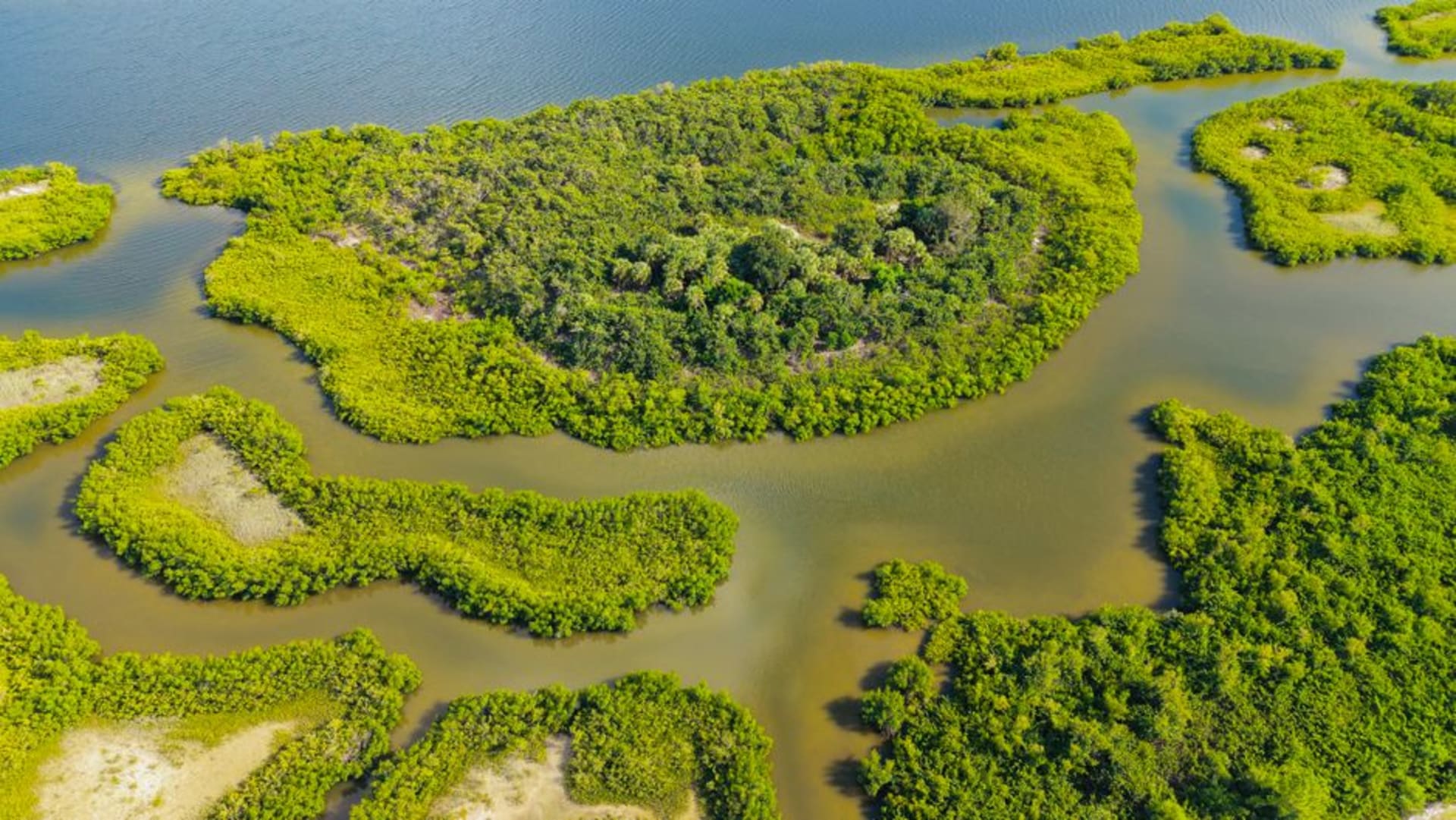
Escárcega
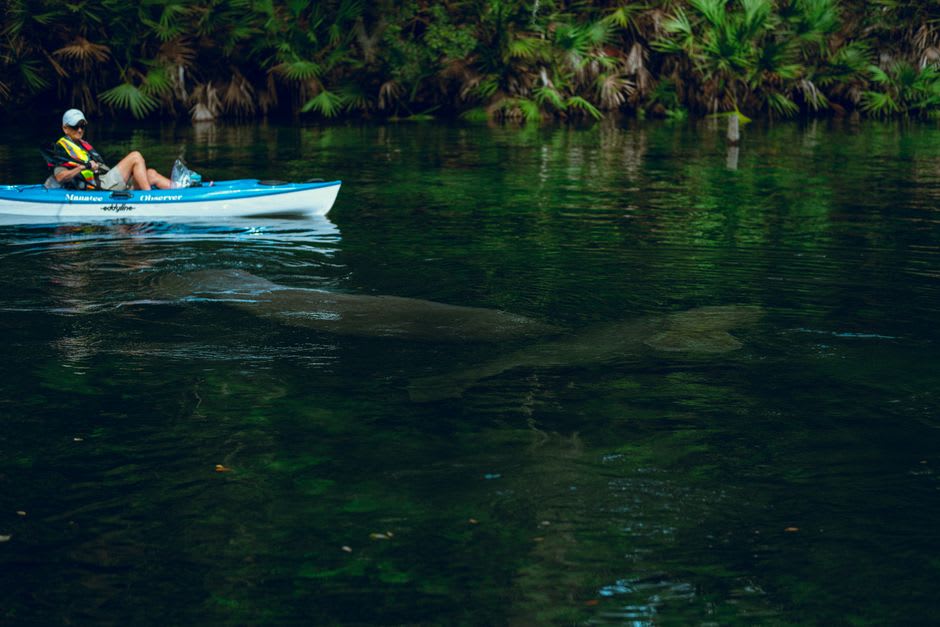
"In the mangrove channels near Laguna de Términos, a manatee surfaced so close to the boat I could have counted its whiskers."
I pulled into Escárcega at noon on a Tuesday, sweating through my shirt, planning to buy a cold drink and move on. The town looked exactly like a crossroads should — broad Avenida Héroe de Nacozari lined with taquería signs and tyre shops, a roundabout with a clock everyone seemed to ignore. I asked the woman at the tienda about boats to the lagoon. She looked at me like I’d asked the right question for the first time all day, and wrote down a phone number without me asking twice. I stayed three days.
The Laguna de Términos
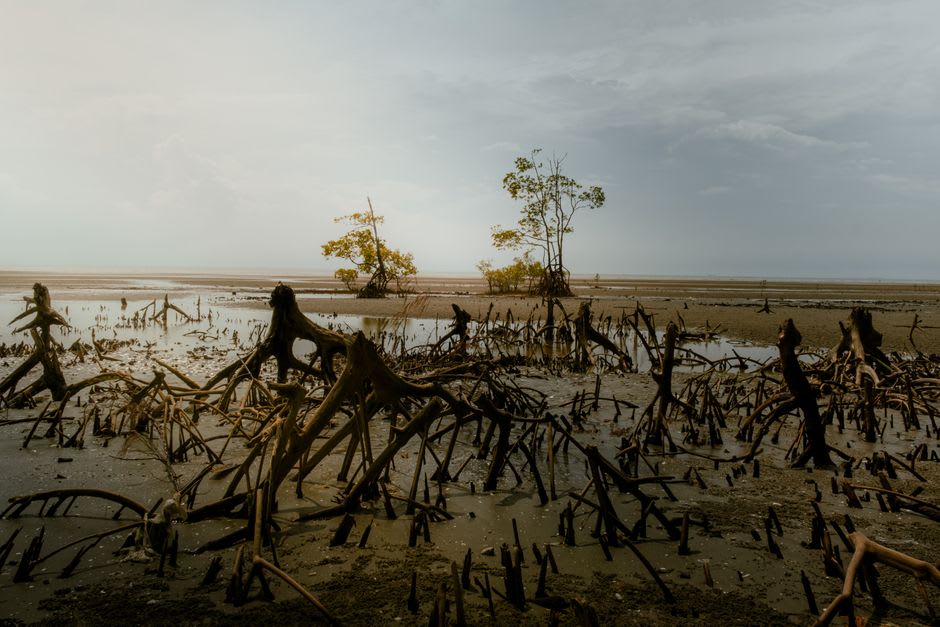
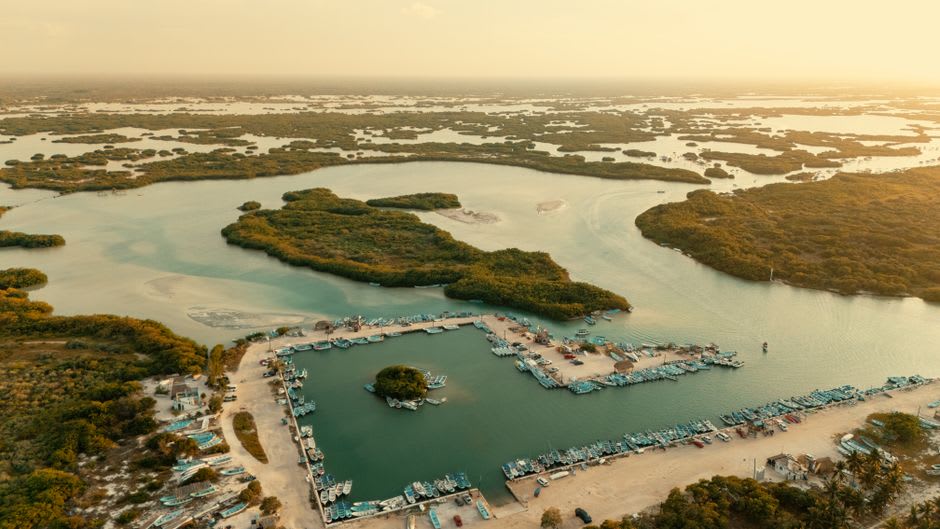
You reach the reserve through a 45-minute drive east toward Ciudad del Carmen, then a dirt track to a landing where pangas wait. My guide, a compact man named Efraín who’d been running these channels since before GPS existed, had the engine cut within ten minutes of leaving the dock. The silence that replaced it was absolute. Laguna de Términos covers more than 700,000 hectares — Mexico’s largest coastal lagoon — and the mangrove corridors that feed into it feel like a separate country. Roseate spoonbills worked the shallows in shocking pink; a bare-throated tiger heron stood on a root and declined to move as we drifted past. Then, thirty metres ahead, a grey back broke the surface. Then another. Manatees, two of them, moving at the unhurried pace of something that has no real predators here. Efraín didn’t say a word. He didn’t have to.
Eating in Town
The thing nobody tells you about Escárcega is that the market lunch is genuinely good. The Mercado Municipal on Calle 24 runs a row of comedores where women in plastic aprons ladle out caldos and rice from pots the size of oil drums. I sat at Comedor Lupita three days in a row: a bowl of caldo de res with a raft of epazote floating on top, a side of frijoles negros, tortillas made in front of me on a comal that had clearly been in use since the previous decade. The cost was sixty pesos. Nobody was performing authenticity for me. The truck drivers at the next table were having the same conversation about fuel prices they’d probably been having for years, and the television above the counter showed a telenovela nobody was watching.
The Crossroads at Night
After dark, Escárcega exhales. The highway noise settles and the plaza near the Presidencia Municipal fills with families walking nowhere in particular. Men sell sliced mango with chili from carts with umbrella lights. I bought one and sat on a bench watching the town exist — not performing itself for visitors, just doing what it does every Thursday night and every other night before that. There’s a particular quality of rest available in a place that has never tried to charm you.
Getting There
Escárcega is connected to Campeche City (two and a half hours northwest) and to Palenque (two hours southeast) by frequent ADO buses. First-class service runs several times daily in both directions. From Escárcega, taxis and colectivos reach the Ciudad del Carmen highway junction where Efraín and similar guides can be arranged — ask at the market or through your hotel.