Candelaria
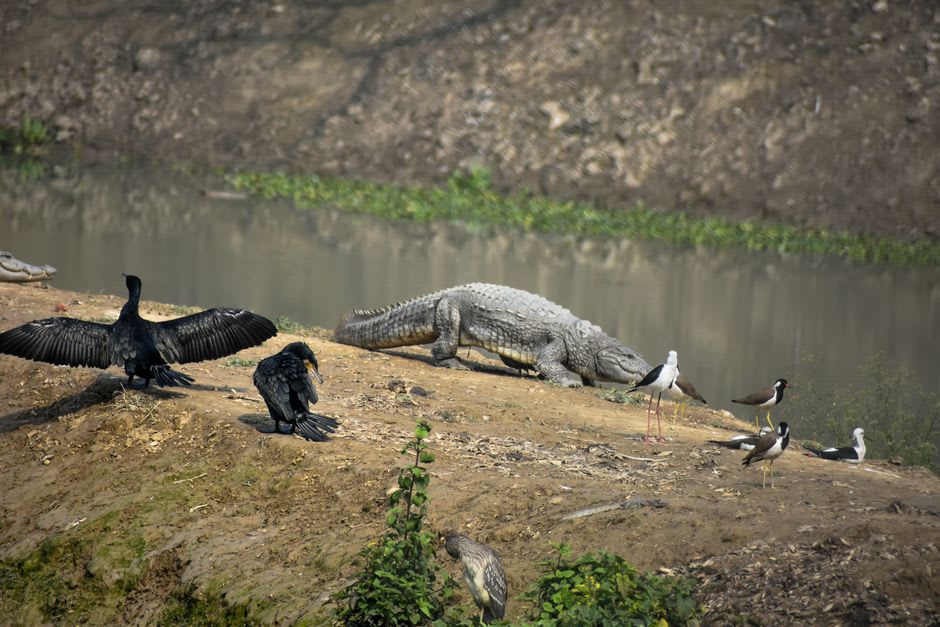
"A crocodile slid into the water twelve meters from the boat. My guide called it Tuesday and kept paddling."
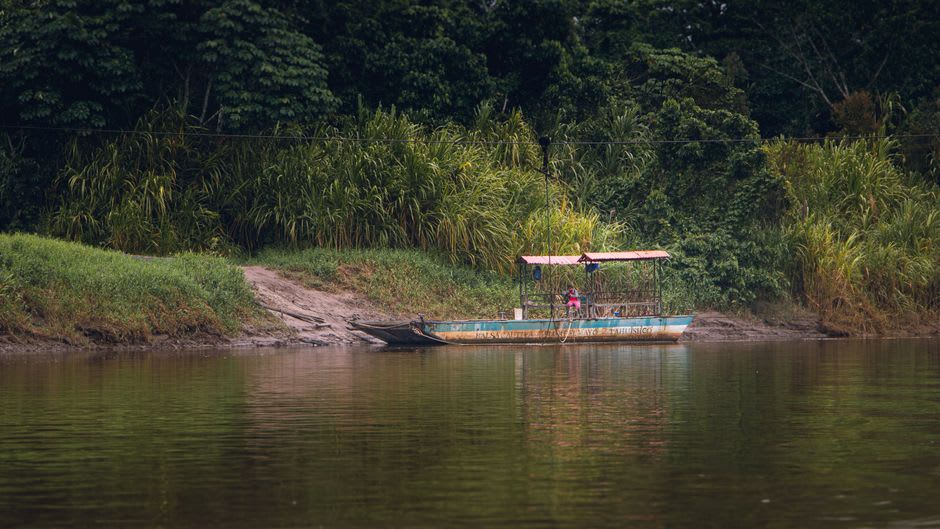
The bus from Escárcega takes three hours through flat cattle country, and at some point the road simply stops dividing jungle from field and the jungle wins. I arrived in Candelaria around noon on a Tuesday — bag too heavy for the heat, no reservation anywhere — which turned out not to matter because there were exactly two places to sleep and one had a room. The town arranges itself along one main street above the river, which is wide and dark and moving faster than it looks. The river is the reason everything else exists here.
The River, and What Lives in It
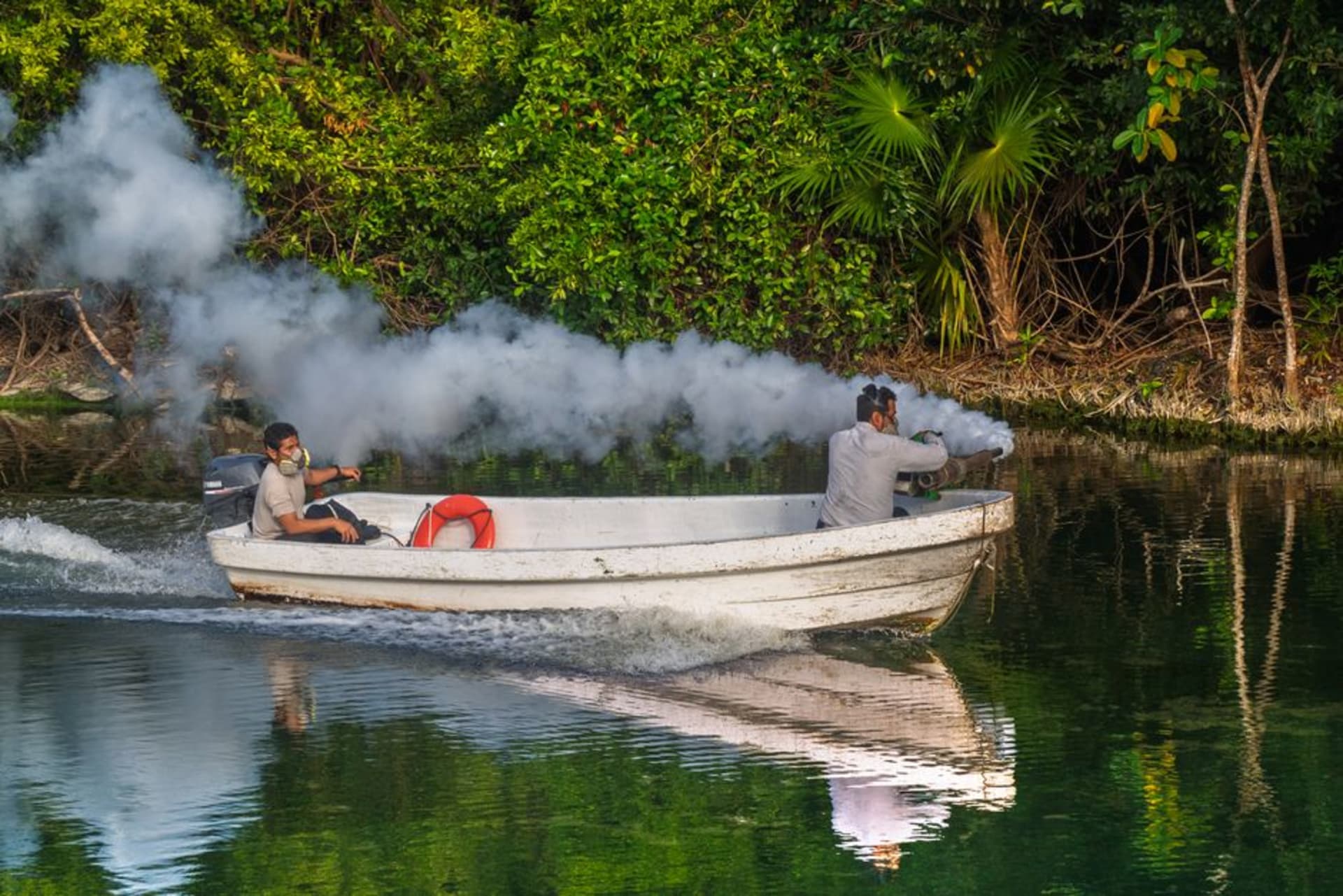
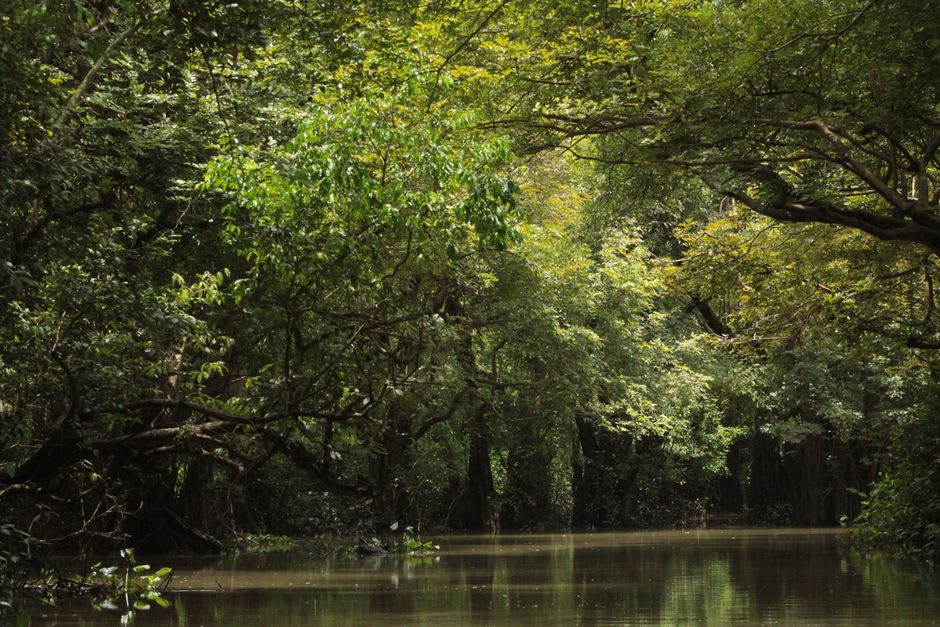
Don Aurelio runs boats out of a dock at the bottom of Calle 20 most mornings, provided there are enough people to make it worthwhile — and in Candelaria, enough people is two. His lancha is aluminum, fast, and loud enough to scatter the birds before you can photograph them, which is probably the correct way to approach a river that doesn’t particularly care about being photographed. We went up at first light, when the mist was still sitting on the water and the herons stood in the shallows with the patience of saints. The crocodiles are harder to spot than I expected — the large ones have learned to stay still, and they are very good at it. Don Aurelio knows where to look. He cuts the motor at a bend maybe forty minutes from town and lets the boat drift while the river makes itself obvious: a gallinule picking through lily pads, distant percussion of a woodpecker, something large and unseen slipping into the water upstream. Nobody speaks. There is nothing to add.
Wednesday Morning, Behind the Municipal Building
The weekly tianguis takes over the square behind the presidencia and runs until the vendors run out of things to sell, usually around noon. I found it by following a woman carrying a live chicken toward a street where the traffic had stopped being vehicular. The food stalls begin at the far end: panuchos with black bean and shredded turkey, served on rounds of tortilla fried with obvious intent. A woman named Silvia runs a comida corrida from a table with floral oilcloth, and her sopa de lima is the kind of thing that makes you recalibrate what the word soup is supposed to mean. The lime is from her garden; she told me this twice, which I understood as important information. Candelaria is not a food destination in any brochure sense, but the people here eat well, and if you sit somewhere that looks like it is not for tourists, it is almost certainly because it is not for tourists.
The Afternoon Hours
After two o’clock the main street quiets and the river does whatever rivers do. The waterfront malecón is shaded and long enough for a proper walk. At dusk the bats come out from under the bridge in a quantity that is either alarming or impressive depending on your disposition — I leaned toward impressive, but I gave it a moment. I ate dinner at a small restaurant near the plaza whose name I never caught, only that the owner had a large dog named Presidente and that the caldo de res was served with enough chiles to require negotiation. Stay one night. The second morning on the river is better than the first.
Getting There
ADO buses connect Candelaria with Campeche City (roughly four hours) and Escárcega (three hours), with departures most mornings from both directions. The town has a small terminal two blocks from the waterfront. Travelers coming from Tabasco will find Candelaria on the route toward the border at Frontera Corozal; some second-class buses from Tenosique pass through. From the Yucatán, a transfer in Campeche or Escárcega is unavoidable.