Calkiní
"The kind of convent that makes you pull over and cancel whatever you had planned for the rest of the afternoon."
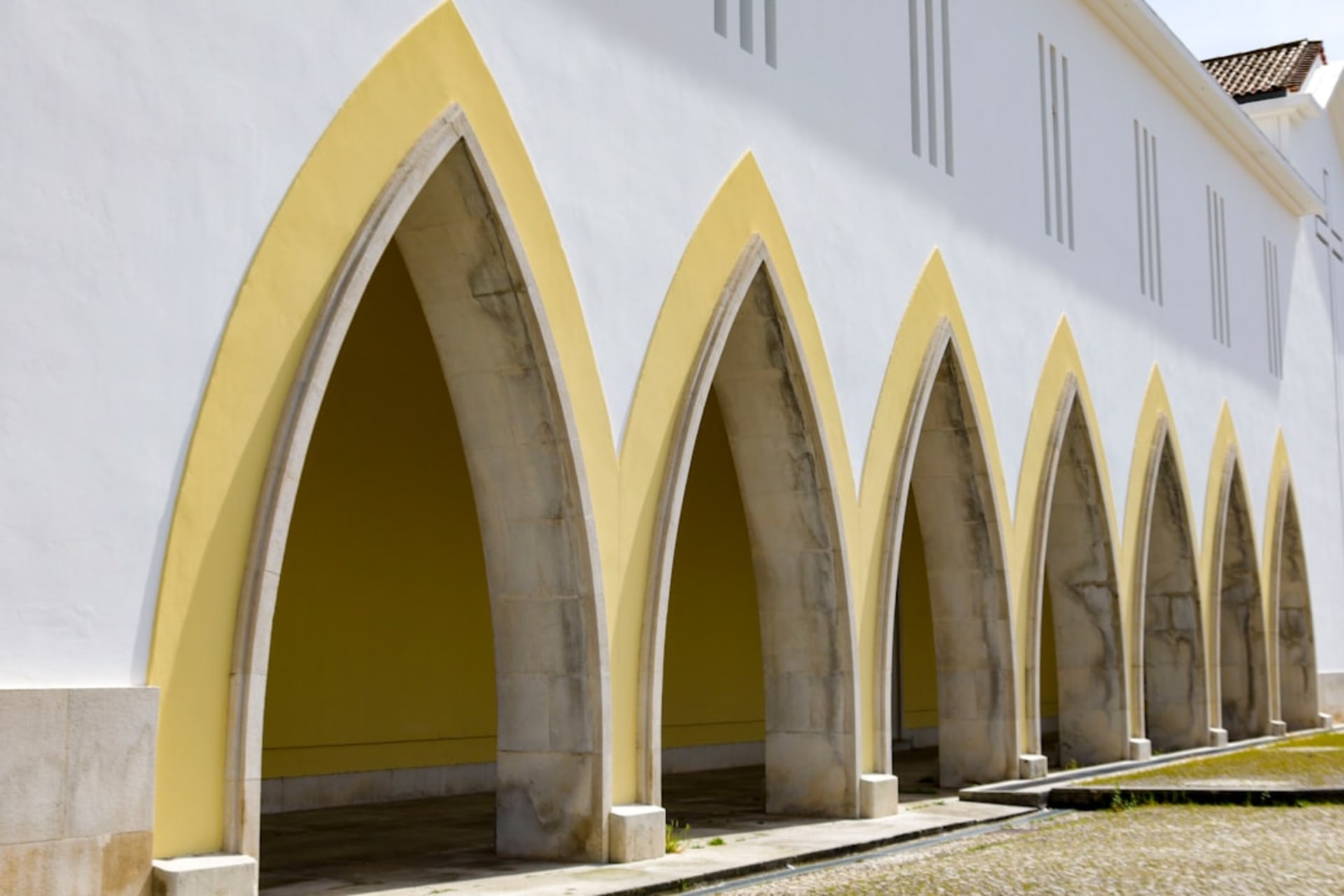
I was doing what most people do on the old Camino Real through Campeche — driving through without stopping. Then the Convento de San Luis Obispo appeared on my left, its mustard-yellow facade catching the four o’clock light in a way that made no argument against pulling over. I had forty minutes to spare and a loose plan to reach Mérida before dark. Two hours later I was still in Calkiní, sitting on a bench in the atrium while a man swept the same patch of stone in slow, meditative circles, and I had stopped caring about Mérida entirely.
The Convento de San Luis Obispo
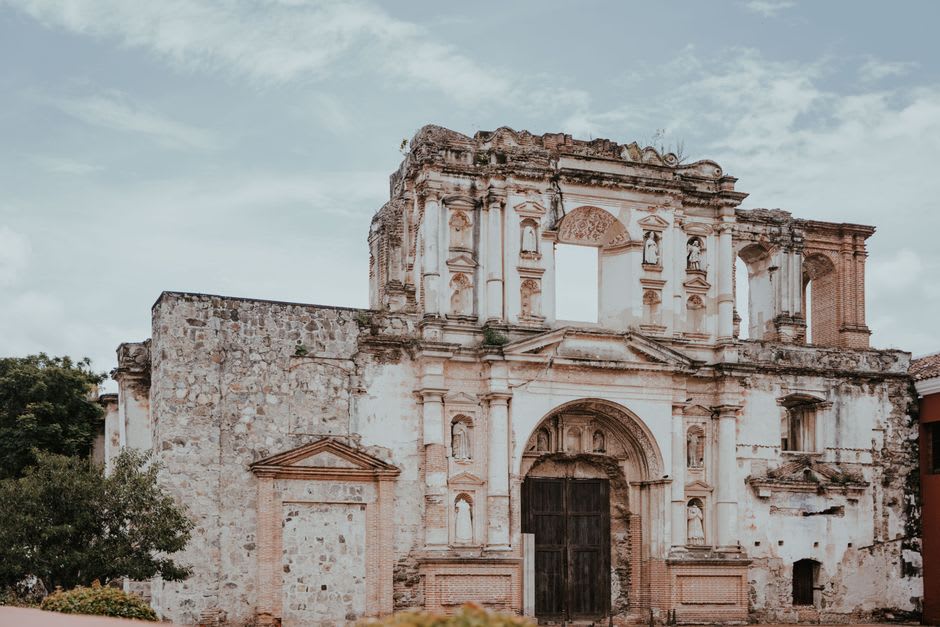
Built in 1776, the ex-convent belongs to the chain of Franciscan missions that the order planted across the peninsula at roughly the intervals a man could walk in a day. Most of them are grand. This one is something else. The facade is all flat planes and controlled ornament — a pair of Moorish-inflected niches flanking the main portal, a modest rose window, and that particular shade of yellow that Campeche seems to reserve for its most serious buildings. Inside, the single nave is cool and stripped back, the retablos darkened with age, the silence the kind that has been accumulating for two and a half centuries.
The atrium out front still has its original perimeter wall and corner posa chapels, which are rarer than the churches themselves — most were dismantled for their stone. Walk the perimeter slowly. The scale of the thing only becomes clear from the far corner, when you can take in the whole composition: wall, gateway, tower, facade, all of it still more or less where the friars left it.
The Town Beyond the Convent
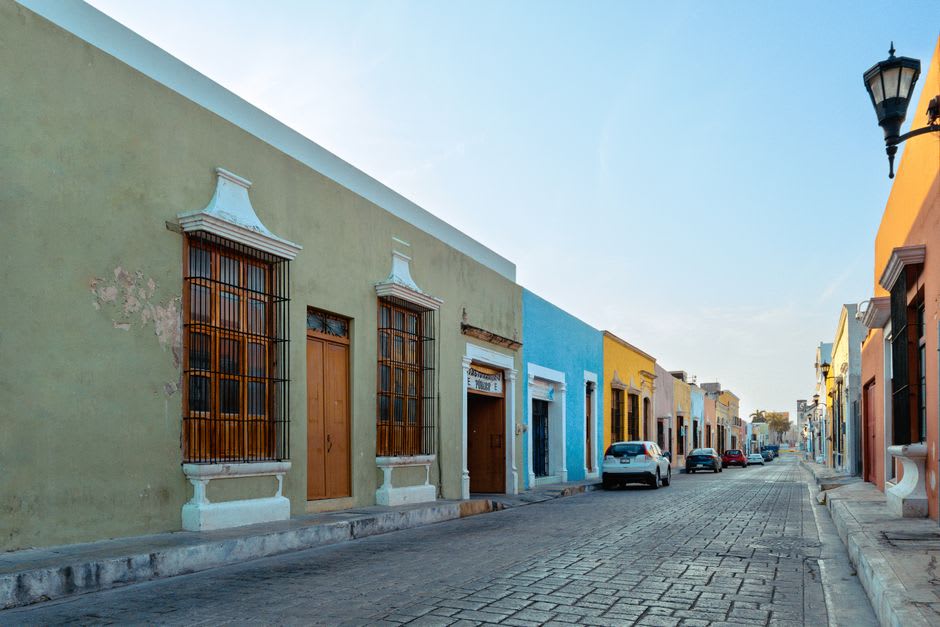
Calkiní is not performing anything for visitors. The streets running back from the plaza are residential in the plainest sense — houses with their front doors open onto the sidewalk, plastic chairs angled toward the street, dogs sleeping in the shade of parked trucks. The market on Calle 12 runs mornings only and leans hard into produce and dry goods, but there is usually a woman selling panuchos near the entrance, the tortillas fried firm with black bean paste underneath, topped with shredded turkey and pickled red onion. I had two standing up beside her cart and then a third because they were that good and also because I had nowhere particular to be anymore.
The town takes its name from a Mayan word, and the Mayan presence is not decorative here — you hear Yucatec Maya in the market, and the older residents switch between languages mid-sentence the way people do when both are genuinely theirs.
What I Would Do Differently
Arrive before three in the afternoon so you catch the convent interior in decent light before the sacristan locks up. Bring water — there is not much open on the streets around the plaza on weekday afternoons. If you are driving the Camino Real corridor, pair Calkiní with Hecelchakán twenty kilometers north, which has its own ex-convent and a small regional museum with pre-Hispanic pieces pulled from the surrounding zona arqueológica. Together they make a morning that does not feel rushed.
Getting There
Calkiní sits on Federal Highway 180, roughly halfway between Campeche city (90 km south) and Mérida (120 km north). ADO and second-class buses on the Campeche–Mérida route stop here; ask for the terminal on Calle 51. If you are driving, the Camino Real is slower than the cuota toll road but considerably more interesting.