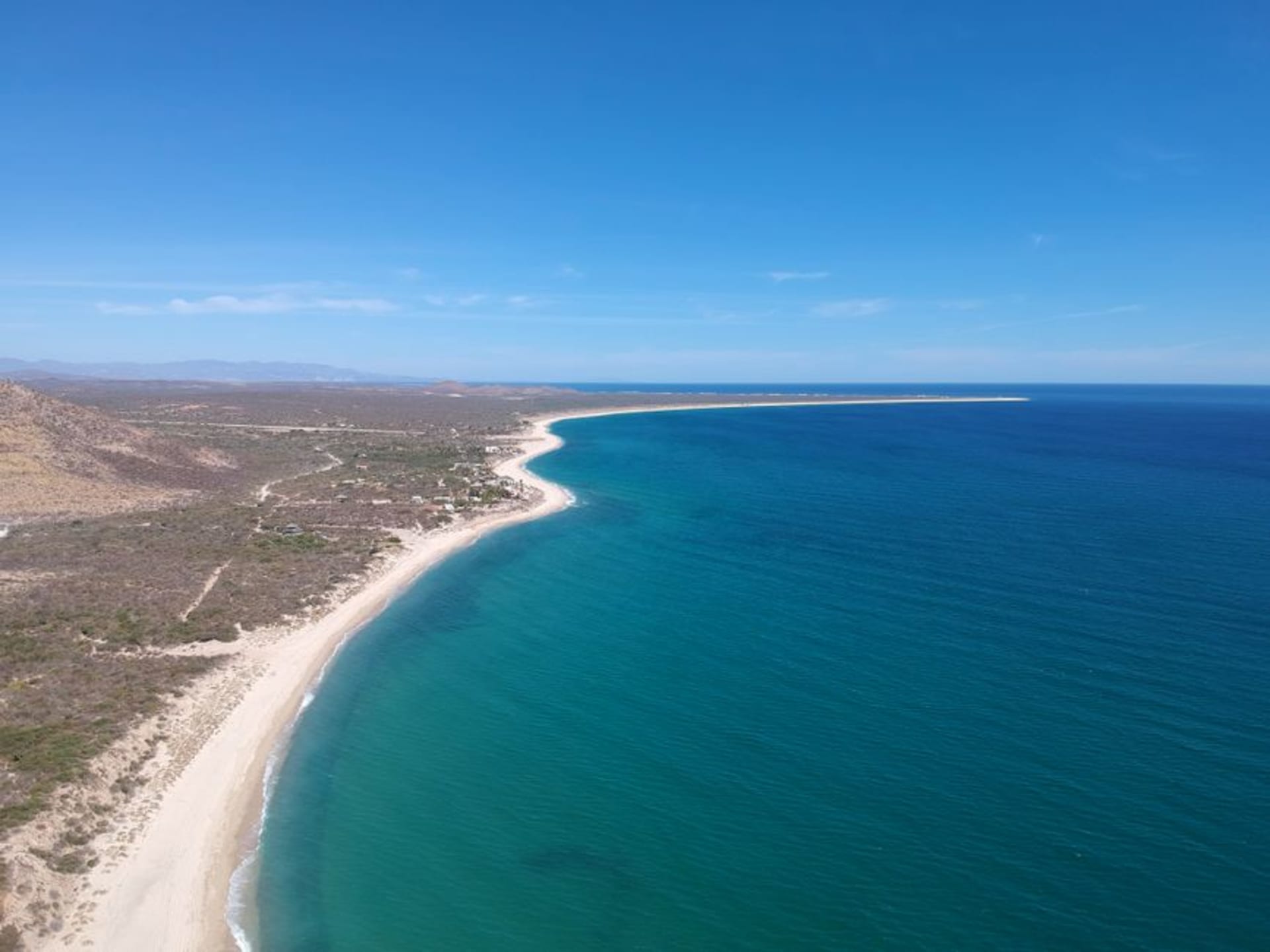
San Quintín
"San Quintín oysters, a squeeze of lime, and an empty black-sand beach — I understood immediately why certain people drive four hours specifically for this."
I pulled off Highway 1 somewhere past El Rosario, following a handwritten sign that said ostiones and a gravel lot with two pickup trucks. A man in rubber gloves was shucking oysters onto a plastic tray, not looking up. I ate eight of them standing there, lime juice running down my wrist, and I remember thinking: this is exactly the kind of place you either discover by accident or drive four hours to reach on purpose. I had done the former. By the next morning, I fully understood the logic of the latter.
The Bay and Its Oysters
Bahía San Quintín is a long, shallow estuary that cuts inland from the Pacific — protected enough to cultivate shellfish, calm enough to kayak in the early morning when the mist still sits on the water. The oystermen here, mostly ejido cooperatives that have worked this bay for generations, shuck at roadside stands along the highway, and the price is almost offensively reasonable: forty or fifty pesos for a dozen, depending on the day and the man. You eat them on the spot with lime and a bottle of hot sauce that has been baking in the sun. There is no ceremony to it, which is precisely the point. The clam operations are significant too — almejas chocolatas pulled from the bay floor — but it is the oysters that people remember. The Miramar area has a few modest restaurants that will cook them if you insist, but eating them raw, standing in gravel, is the experience that justifies the drive.
The Volcanic Shore
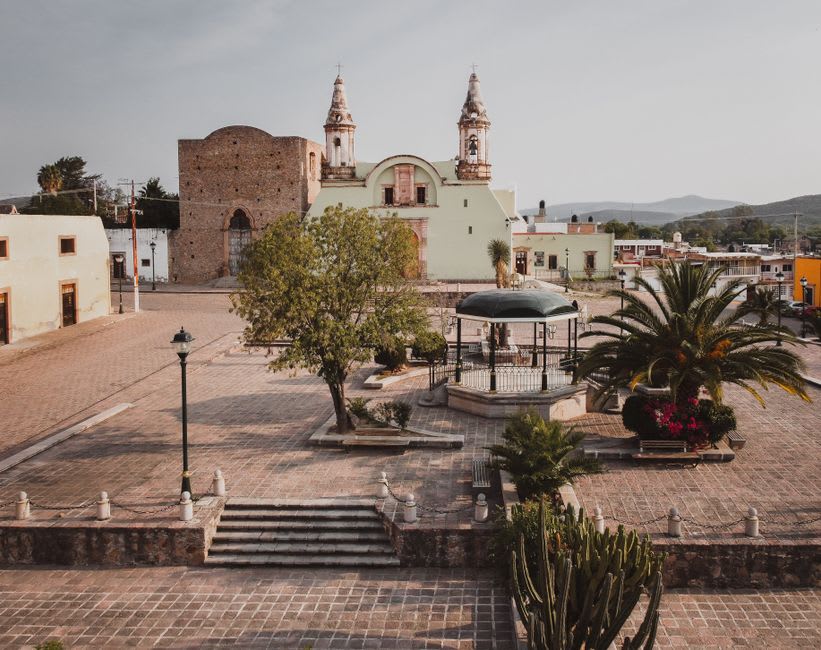
The geology of this corner of Baja shows itself most clearly on the beaches south of town, where the sand turns iron-black and the landscape shifts from scrubby chaparral to something that feels genuinely prehistoric. Playa Santa María is the easiest to reach — a wide, dark arc facing the open Pacific with no facilities and, on most weekdays, no other people. The surf is serious and unpredictable; I watched sets come through I would not have attempted in good conscience. But the walking is extraordinary. You follow the waterline for an hour and the light changes every fifteen minutes, the dark sand absorbing heat, the cliffs behind you catching the afternoon angle. Punta Baja, further south, requires a rougher road and some commitment, but the isolation is near-total. Bring water. Bring more than you think you need.
Settling Into the Rhythm
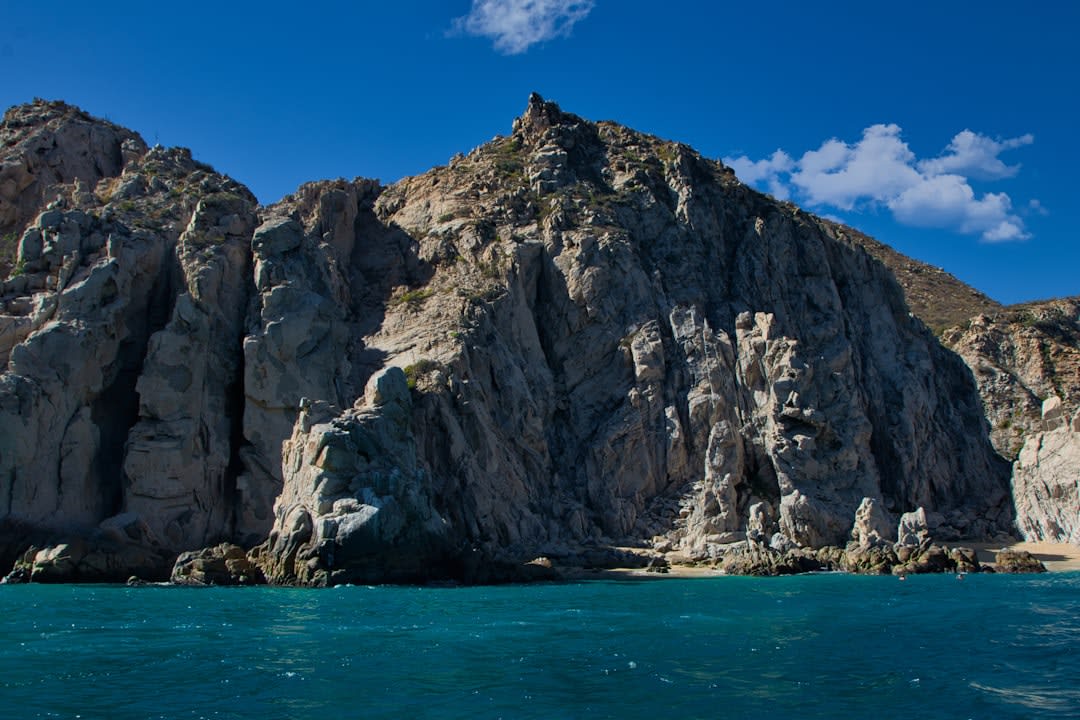
San Quintín rewards slowness in a way that can frustrate people expecting a resort town — there isn’t one. The hotels along Highway 1 are functional; I stayed somewhere that cost me 650 pesos and had extremely effective air conditioning, which in August is genuinely all you need. The main strip between San Quintín and the neighboring town of Lázaro Cárdenas has taquerías that open at seven and fill with farmworkers by eight. Mariscos El Muelle does a clam soup that tastes exactly like the bay smells — mineral, cold, clean. Without a plan, the plan writes itself: oysters in the morning, black-sand beach in the afternoon, fish tacos before dark. The cell signal disappears reliably south of town, which certain people in my life would call a flaw.
Getting There
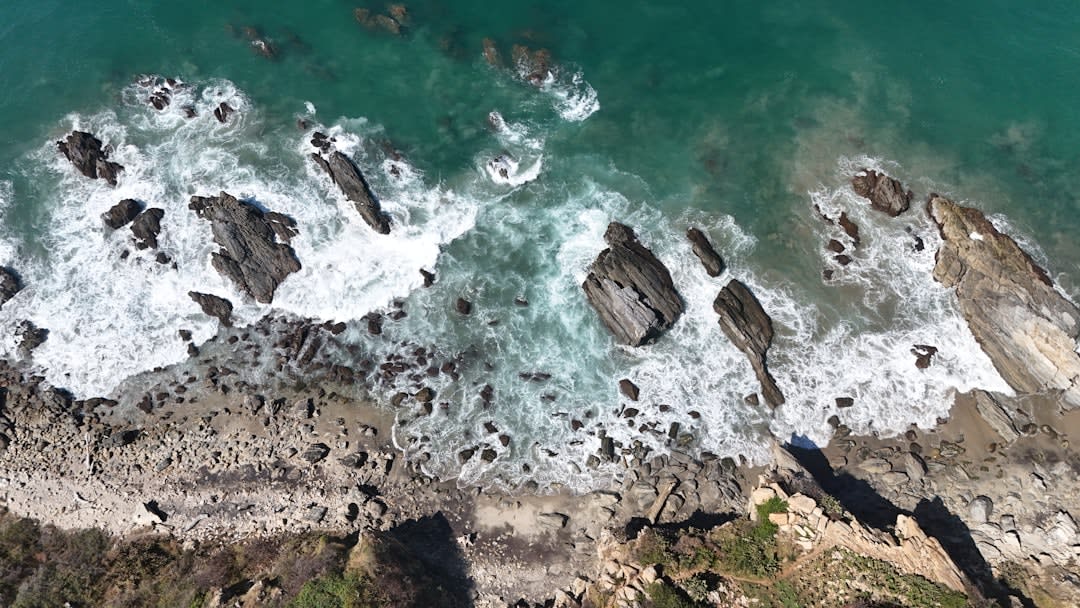
San Quintín sits on Highway 1 roughly 300 kilometers south of Tijuana — four hours of driving, more if you stop at Valle de Guadalupe, which you probably should. Intercity buses on the Tijuana–La Paz corridor stop at the main junction, but a car is not optional if you want to reach the beaches south of town. The road is paved all the way; Punta Baja is where it gets interesting.