Rosarito
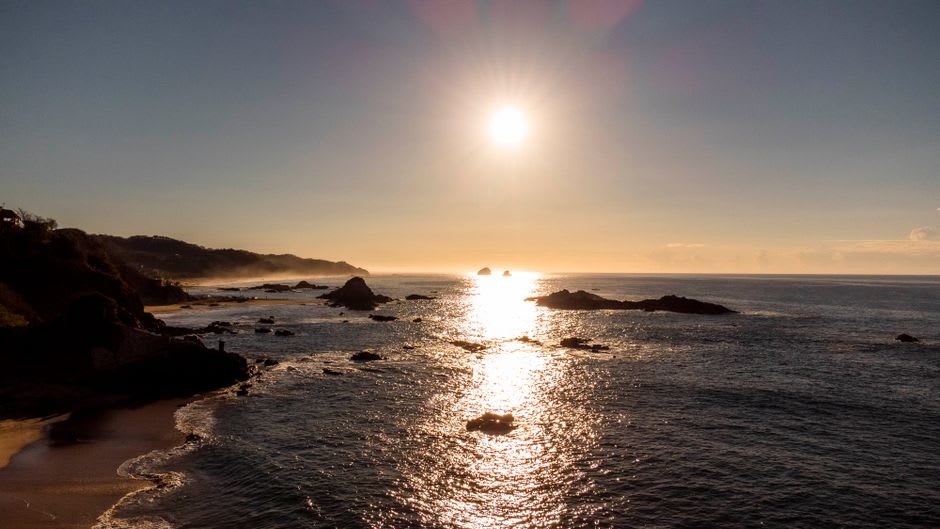
"The Pacific at Rosarito is cold and unforgiving in the best possible way — nothing like the warm southern swells I had gotten used to watching from the beach in Puerto Escondido."
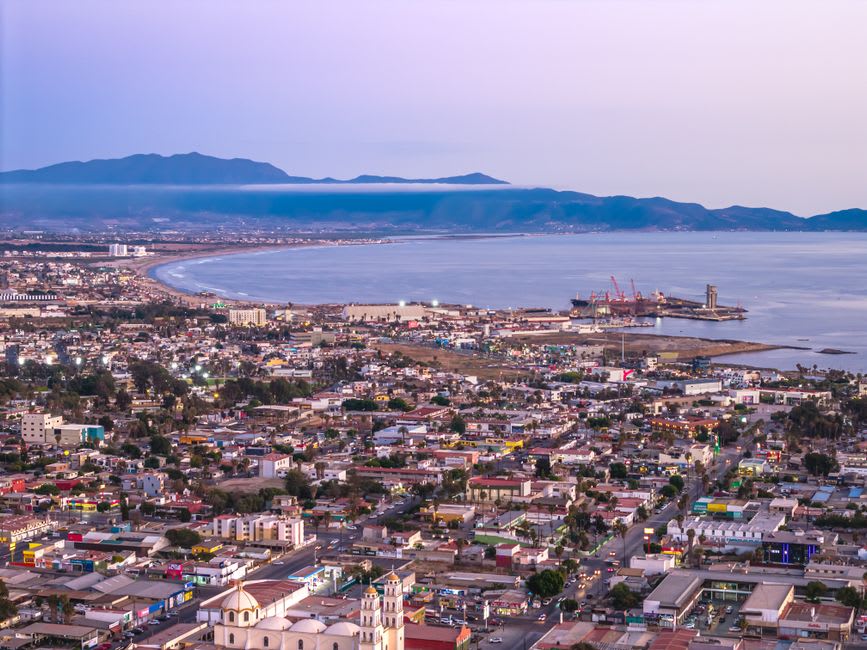
I had driven down from Tijuana on a Tuesday afternoon in February, which is not the time most people choose to visit Rosarito. The town was quiet in the way places with a seasonal tourist economy get quiet — not abandoned, just running at a lower frequency. I found a taco stand on Benito Juárez that was doing brisk business regardless of the month, ordered two tacos de camarón with the house salsa verde, and ate standing at a painted metal counter while a small television mounted to the wall played football highlights nobody was watching.
The Long Coast
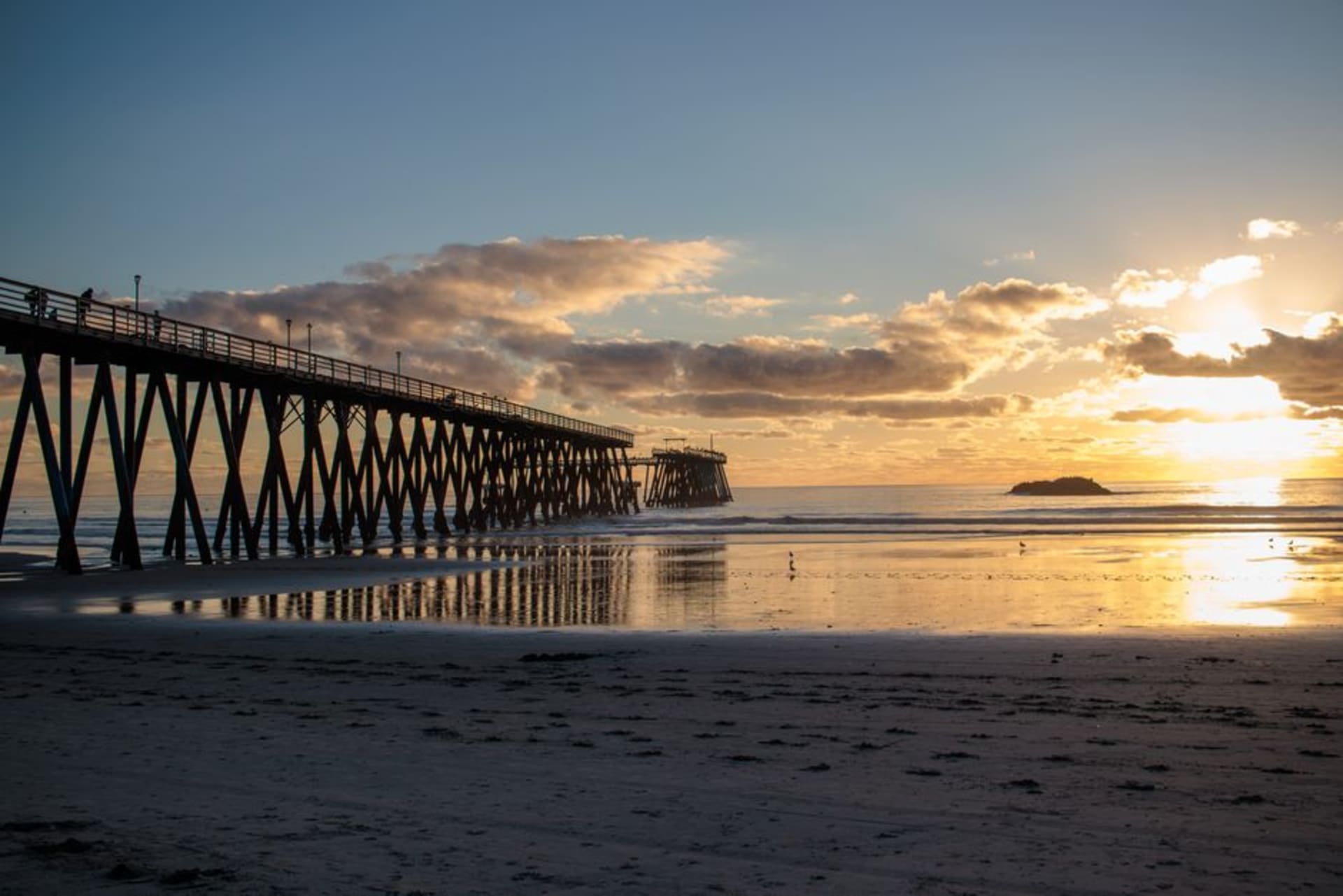
Rosarito’s beach runs for several kilometers — a long grey-sand stretch where the Pacific arrives cold and serious, nothing like the warm swells I watch from the beach down in Puerto Escondido. The water temperature hovers around 16 or 17 degrees Celsius in winter and rarely climbs much above 20 even in summer. Surfers know this, and they work the break at Playa Rosarito in full wetsuits, riding medium swells that form reliably enough to sustain a small local surf culture year-round.
The malecón is a modest affair — a concrete promenade with painted railings and a handful of vendors selling elotes and churros — but at dusk in winter, when the light drops flat and the pelicans cruise low over the water, it has an unpretentious beauty that more famous coastal towns tend to lose once they learn to monetize it. I walked its full length twice and spent twenty minutes watching teenagers attempt skateboard tricks on pavement that was not designed for it. Nobody was succeeding. Nobody particularly cared.
What the Stands Are Doing Right
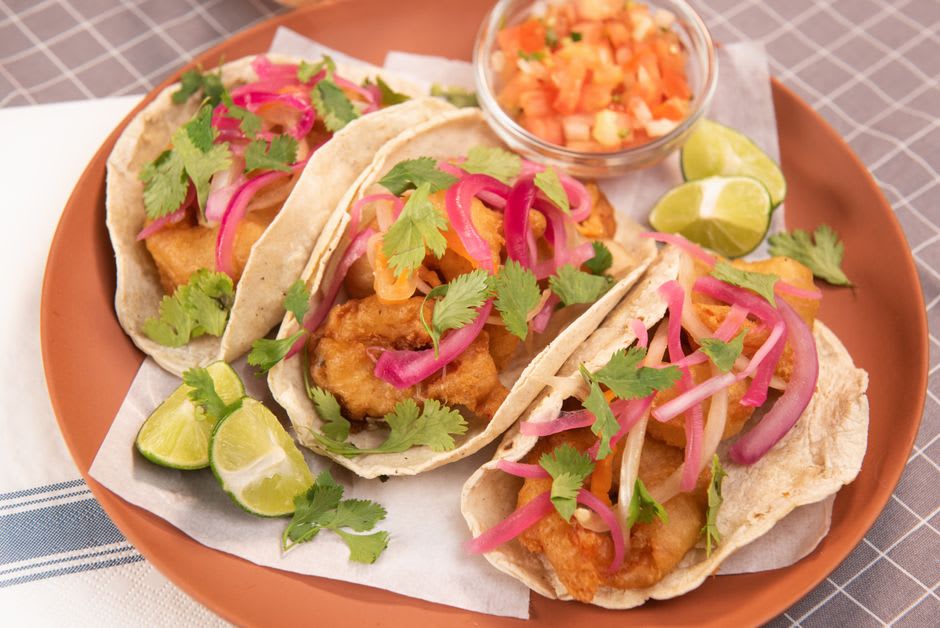
The thing about Rosarito’s food is that it does not announce itself. What there is: fish tacos built in the Baja style — white fish, battered and fried, folded into a corn tortilla with shredded cabbage, crema, and a squeeze of lime — executed with the consistency that comes from doing the same thing correctly for twenty years. The stand I kept returning to was on Avenida Benito Juárez near the Rosarito Beach Hotel, run by a woman who worked two stations simultaneously and never once looked flustered.
Mariscos appear everywhere else — tostadas de jaiba, ceviche in styrofoam cups, aguachile so cold from the lime it made my eyes water. The Tecate flows in large ceramic mugs that are technically illegal to carry on the street but that everyone does anyway. Thirty minutes north sits Puerto Nuevo, a village that has made lobster its entire identity; the drive is worth it for dinner if you are staying more than a day.
A City That Survived Its Own Fame
In 1996, Fox Studios built a full-scale replica of the Titanic near Rosarito for James Cameron’s film — a production that employed thousands of locals and briefly made this small coastal town famous for something entirely unrelated to itself. Fox Studios Baja still operates. The references remain: a museum, occasional tours, a mural or two. But the city itself has quietly gotten on with things. The taco stands do not care about James Cameron. The surfers do not. The woman at the mariscos counter who refills your lime bowl without being asked — she definitely does not.
That self-possession is what makes Rosarito worth the detour. It is a working town on a beautiful coast that briefly became famous for something else, shrugged, and went back to work.
Getting There
Rosarito sits 30 kilometers south of Tijuana on the toll road Ruta Federal 1-D. From Tijuana’s city center the drive takes around thirty minutes; from the San Ysidro border crossing in San Diego, plan for forty-five to sixty minutes depending on crossing wait times. Local taxis and shared transport run regularly from Tijuana’s central bus terminal. The nearest airport is Tijuana International.