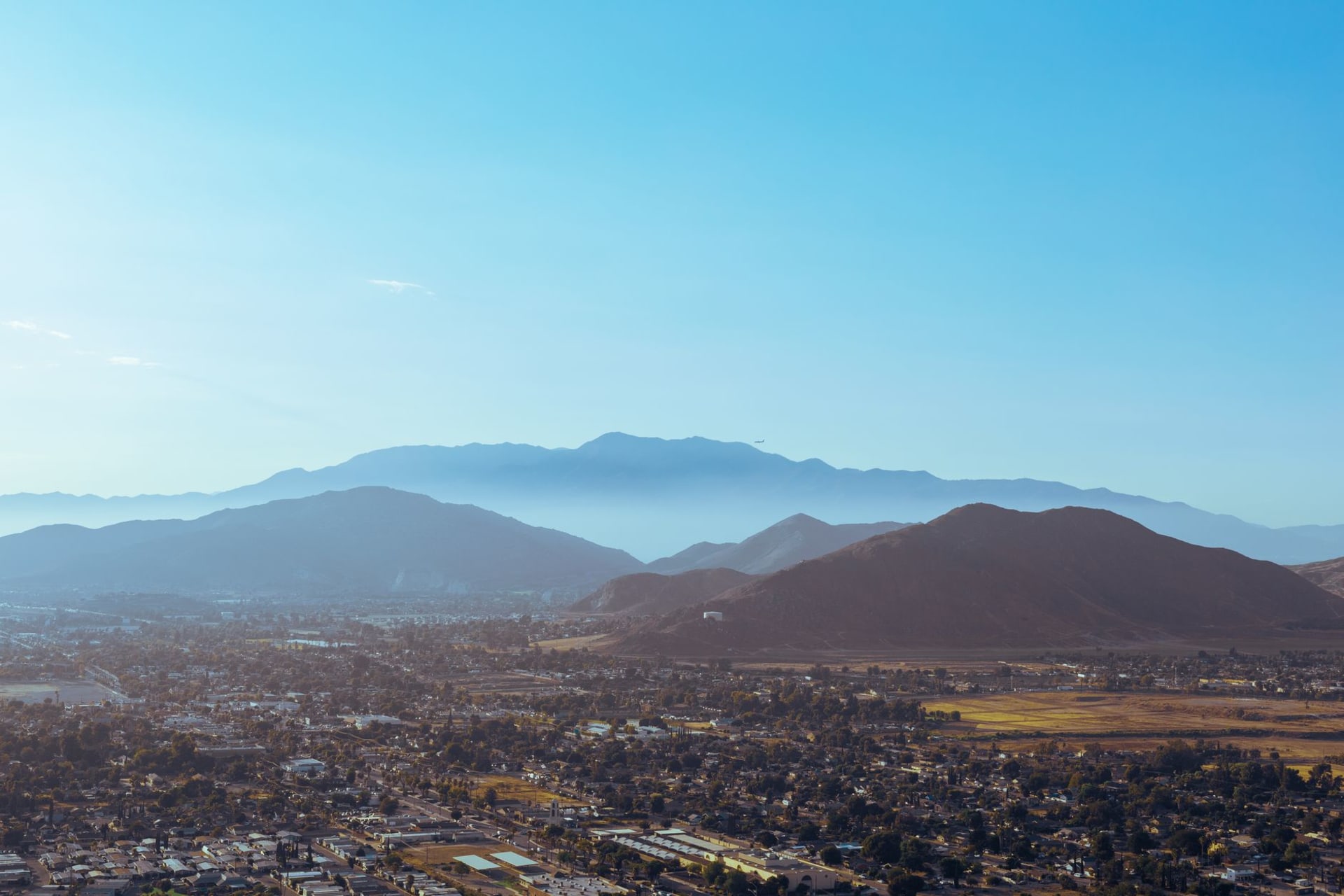
Mexicali
"I ordered something I couldn't pronounce in a restaurant that has been serving it since before I was born. This is, I think, the correct way to eat in a new place."
I should say at the outset that I came to Mexicali specifically for the Chinese food, which is not the most obvious reason to visit a northern border city in a desert, and which requires some explanation.
In the early 20th century, thousands of Chinese laborers were brought to work the cotton fields of the Colorado River delta, the agricultural zone that straddles what is now the California-Baja California border. They came from Guangdong province, mostly, and they built the irrigation infrastructure that made the valley farmable, and when the work ended they stayed — some of them crossed north into the United States, but many remained in Mexicali, where they built a community that persisted through decades of restrictive immigration laws, periodic hostility, and the general indifference of Mexican cultural mythology to the Chinese presence in the country.
What they left behind is the Chinesca. And the Chinesca is extraordinary.
The Chinesca District
The Chinesca — from “Chinese” in the old Baja California vernacular — is a neighborhood in central Mexicali where Chinese restaurants and businesses have operated for over a century. It is not a theme-park Chinatown with lanterns hung for tourists. It is a working neighborhood that happens to have a continuous culinary tradition unlike anything else in Mexico.
The food is not Chinese-Mexican fusion in the sense that phrase has come to mean in contemporary restaurant culture — it is not a playful combination of two cuisines presented to diners as a creative concept. It is something older and stranger: Chinese food that evolved in isolation from both China and the Mexican culinary mainstream, in a desert border region where the ingredients available were particular and the community that made the food was cooking for itself, not for anyone else.
Caldo de pollo chino — a Chinese-style chicken broth that doesn’t resemble Mexican caldo in texture or spicing. Chop suey. Steamed fish preparations. Dishes with names I couldn’t parse on the menu and asked about in a mixture of Spanish and pointing. I ate at a restaurant that has been open since 1960, according to the sign on the wall and the laminated menu that had not been redesigned since an uncertain point in the intervening decades. The tables were formica. The chairs were vinyl. The broth that arrived was clean and deep and nothing like what I expected.

The Heat, and How to Think About It
Mexicali is one of the hottest cities on earth in the summer months. This is not a metaphor or a regional boast — temperatures above 45°C (113°F) are not unusual in July and August, and the combination of desert heat and border-city infrastructure means that outdoor time needs to be rationed. The city is built for air conditioning in a way that few Mexican cities are, and the culture adjusts accordingly: people move between climate-controlled interiors, and outdoor activity concentrates in the early mornings and evenings.
I went in November, which is when the border desert is at its best — warm in the afternoon, cool in the evening, dry enough that the sky has the clarity of altitude without the altitude. The kind of weather that makes you understand why people chose to live in a place that has five months of extreme heat to deal with.
The city itself, beyond the Chinesca, is a large industrial and commercial center with the particular energy of Mexican border cities — not the tourist economy of Tijuana, but the working economy of a state capital that exists to produce things and move them across an international boundary. The contrast between that and the century-old restaurants of the Chinesca is part of what makes Mexicali interesting rather than simply hot.
Going Beyond the Broth
The Chinesca has restaurants of varying ambition and age. Some have been in the same family for three or four generations. Others are newer arrivals working within the same tradition. What holds across them is a seriousness about the food that has nothing to do with fashion — these are places that have been cooking the same things for decades because the people who eat there want those things, not because a food writer decided they were interesting.
Beyond the Chinesca, Mexicali has the typical northern border city food culture: large portions, good carne asada, flour tortillas (the north of Mexico prefers flour; the south prefers corn). The craft beer scene that has emerged in Baja California in the last decade has reached Mexicali in the form of a few taprooms. But I was here for the broth, and the broth was worth the trip.

Getting There
Mexicali is connected by the El Chaparral border crossing to Calexico, California, and receives regular bus service from Tijuana and other Baja California points. The bus terminal is in the center of the city. Flying is straightforward — the airport receives domestic connections from Mexico City and Guadalajara. Come between October and April to avoid the worst of the summer heat. Go directly to the Chinesca and let yourself be confused by the menu. This is the correct approach.