Cataviña
"The cirios look like something between a cactus and a question mark, all leaning at slightly different angles in the silence. There is no other landscape quite like it, and almost no one there to see it."
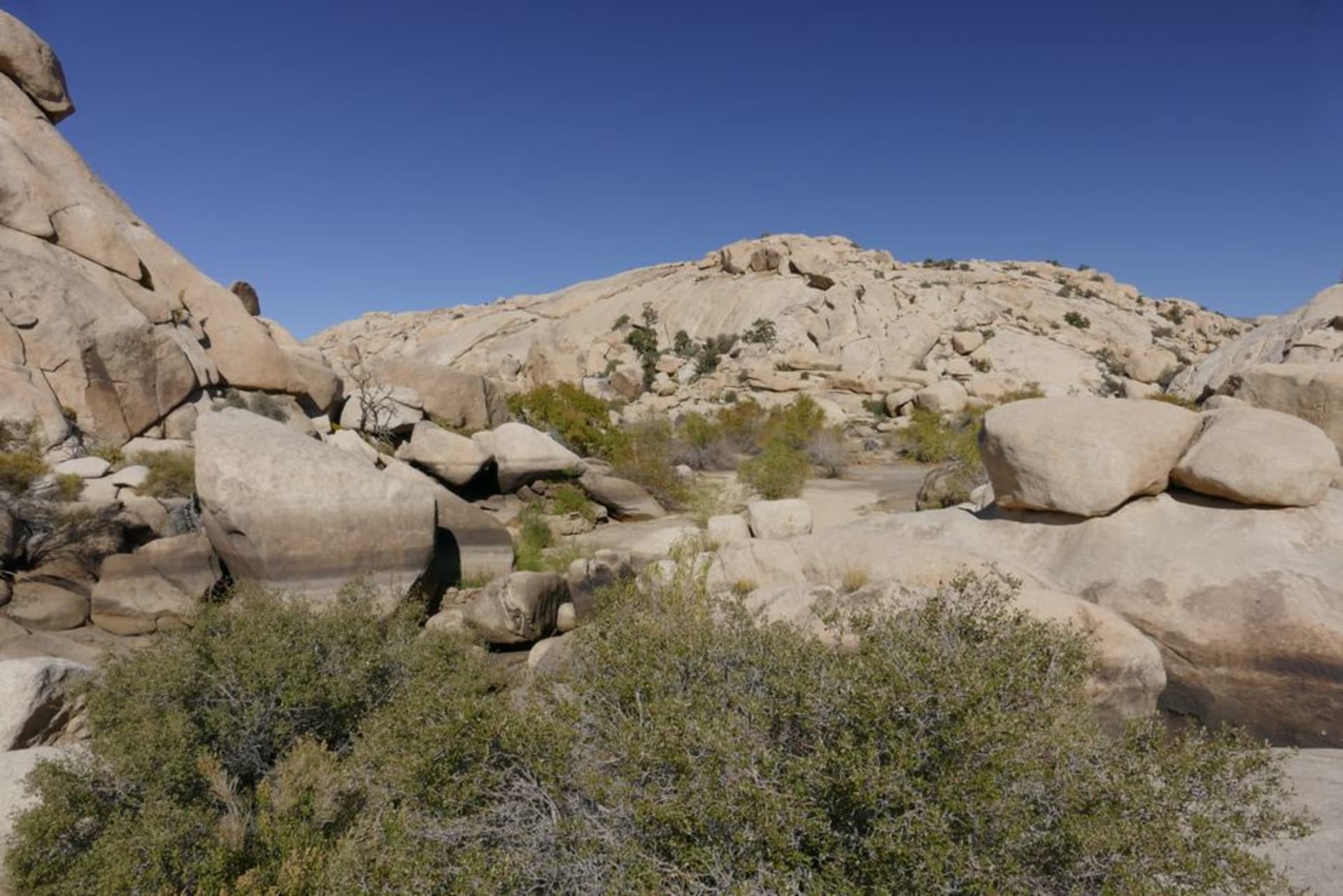
I had been driving the Transpeninsular for six hours when Cataviña appeared — not so much as a town but as a pause in the desert. The Hotel La Pinta, the only accommodation for a hundred kilometers in either direction, sat behind a chain-link fence. A man sweeping the parking lot looked up without particular interest. The light at that hour, around four in the afternoon, was doing something extraordinary to the boulders: turning them amber, then rust, then a deep grey-purple as the shadows lengthened. I stopped the car and did not move for several minutes.
The Forest That Shouldn’t Exist
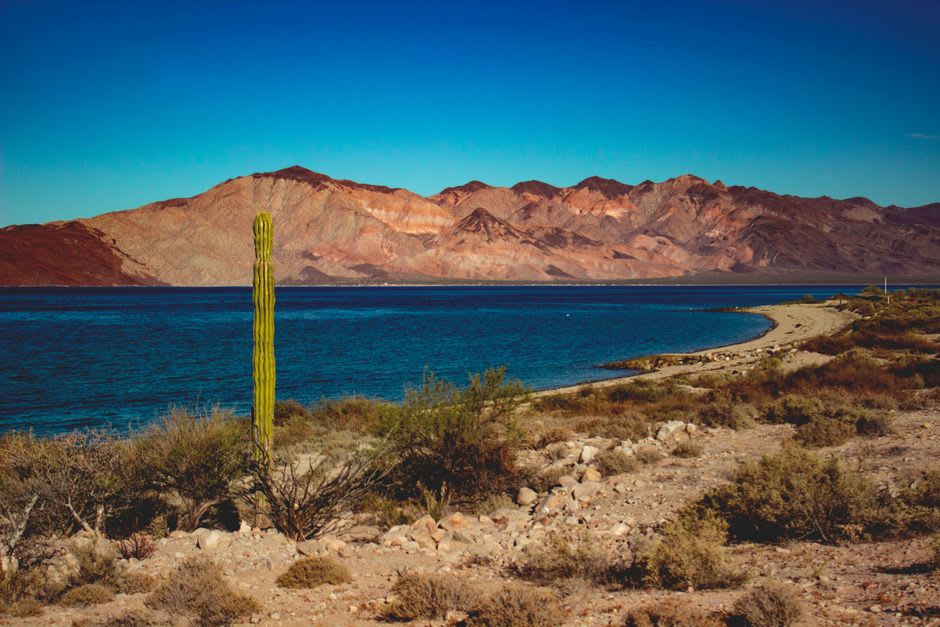
The cirios — boojum trees, in English — are Baja’s strangest inhabitants. They grow almost nowhere else on Earth: a narrow corridor of the peninsula and a small patch of Sonora, and that’s essentially the extent of it. In the Valle de los Cirios, designated a protected biosphere reserve in 1988, they reach heights of fifteen or twenty meters, their pale trunks tapering toward spindly tips, each one leaning at a slightly different angle as if caught mid-thought. John Steinbeck, passing through in 1941 on his Sea of Cortez expedition, found them deeply unsettling. I found them calming in the way that very alien things can be calming — they demand a different quality of attention than familiar landscapes. Walk out into the boulders at dusk, when the granite holds the day’s warmth under your palms and the shadows pool between the rocks, and it feels genuinely improbable that you are still on the same continent you started on.
The Paintings Nobody Talks About
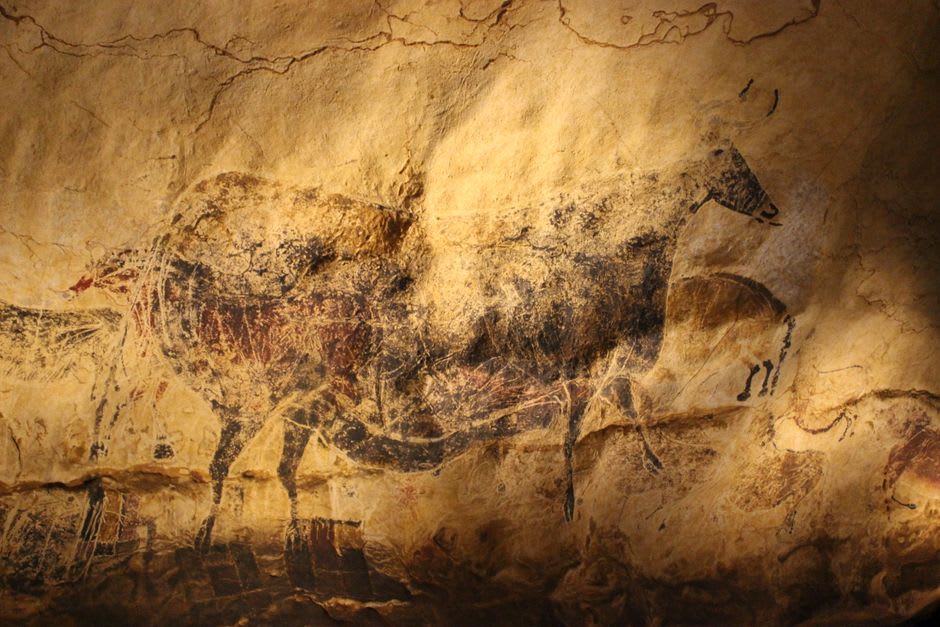
A short drive and longer walk from the main crossroads, through a boulder canyon that benefits from a local guide, there are rock paintings that predate the Spanish missions by thousands of years. The Cochimí people left them — deer, fish, geometric patterns, human figures rendered in a scale that suggests communal effort — in iron reds and charcoal blacks on the granite faces. The missions arrived in the eighteenth century and changed nearly everything about the culture that made these marks. The paintings are UNESCO-listed, though you would never guess it from the highway signage. A man from the ejido will take you out for a few hundred pesos; when I went, his name was Aurelio, and he knew exactly which boulders to look behind and which not to bother with. The paintings do not need the validation of being extraordinary. They simply are.
Where to Sleep, Where to Eat
The Hotel La Pinta has a restaurant that serves decent fish tacos and a passable caldo de res — the menu exists for road-trippers, not gastronomes, and this is fine. There is a small tienda near the crossroads where the cashier will sell you Tecate, water, and pan dulce from a basket on the counter; a few concrete tables outside make for a reasonable breakfast if the morning is cool. For camping, the boulder fields immediately north of town are openly accessible and, on weeknights, entirely empty. A headlamp, several liters more water than you think you will need, and a layer warmer than the afternoon temperature suggests are the non-negotiables.
Getting There
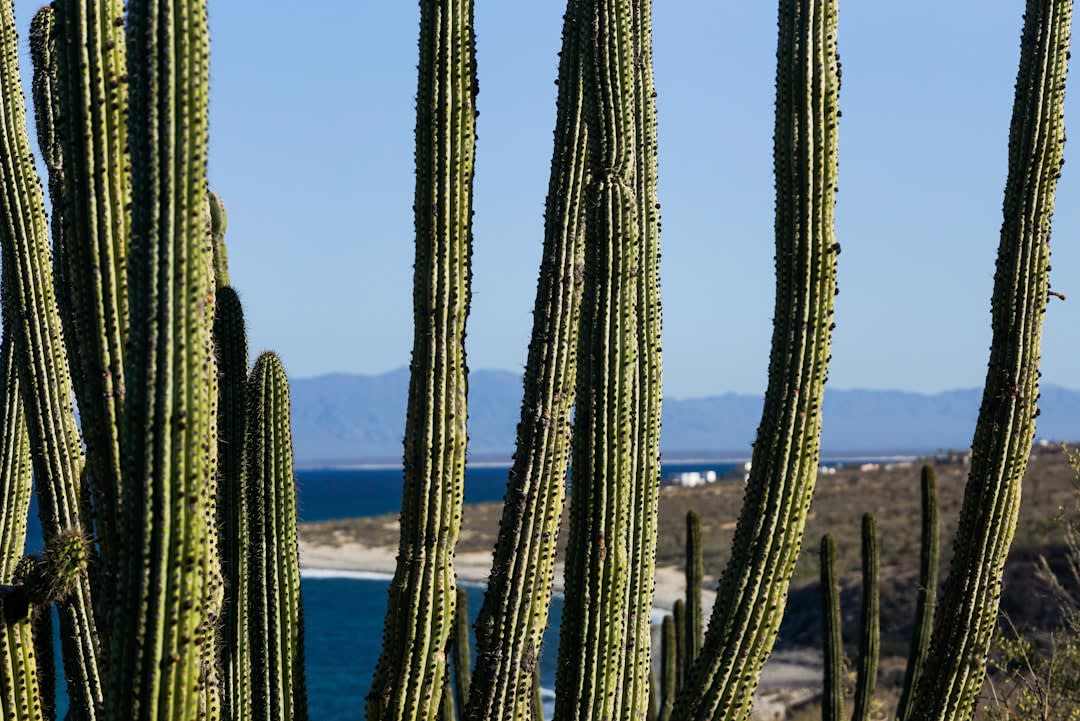
Cataviña sits on Federal Highway 1, about 280 kilometers south of Ensenada — roughly three and a half hours without stops, four with them. ABC buses pass through on the Tijuana–La Paz run but do not linger. October through April is the sensible window; summer temperatures in this stretch of desert are not negotiable. Fill your tank in El Rosario, sixty kilometers north — fuel exists in Cataviña, but its availability follows its own logic.