Kirkuk
"Kirkuk has been fought over for a hundred years. It has also, quietly, been shared for far longer than that."
A contested, multi-ethnic oil city crowned by an ancient citadel, where Kurds, Arabs, and Turkmen share a single skyline and a nearby eternal fire has burned since before anyone can date it.
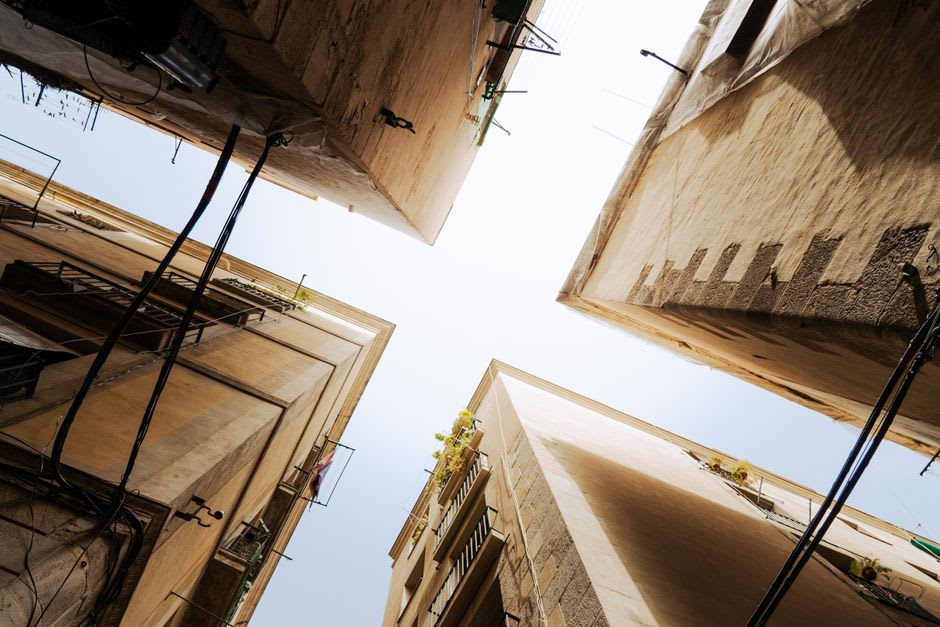
Kirkuk doesn’t try to resolve the tension that defines it, and I found that more honest than any city I’ve visited that pretends to be unified. Kurds, Arabs, Turkmen, and a smaller Assyrian Christian population have shared this city and its surrounding oil fields for generations, through Ottoman administration, British mandate borders, Ba’athist Arabization campaigns that forcibly displaced Kurdish and Turkmen families, and post-2003 disputes over whether the city belongs administratively to the Kurdistan Region or federal Iraq — a status still technically unresolved under Article 140 of the Iraqi constitution. None of that history is invisible when you walk the streets. Signage shifts between Kurdish, Arabic, and Turkmen depending on the neighborhood, and asking a taxi driver where he’s from produces, reliably, a small speech about identity that a simpler question was never going to get in most cities.
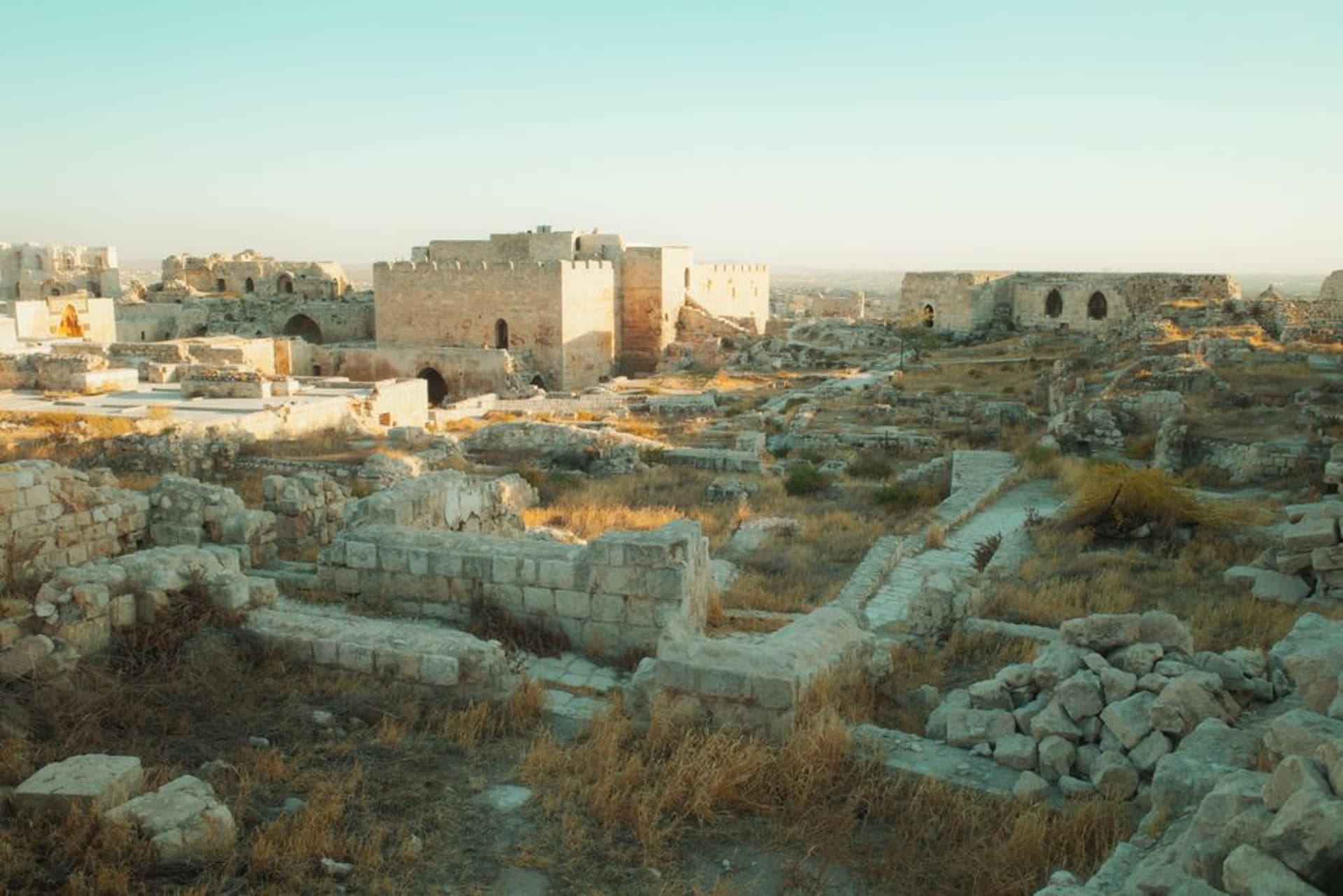
The Citadel sits above all of it on an ancient tell that has been occupied, by some estimates, for five thousand years — Assyrian, Median, and later layers stacked into the mound, with an Ottoman-era quarter of mudbrick houses and the Prophet Daniel Mosque and shrine at its summit, a site venerated by Muslims, Christians, and Jews alike as a possible burial place of the biblical Daniel. Much of the citadel’s old residential quarter was emptied out under Saddam-era security policies and left semi-abandoned for decades; walking through it now, past renovated sections next to crumbling ones, feels like walking through the layered political history of the city made structural.
Just outside the city sits Baba Gurgur, one of the oldest and largest oil fields on earth, and next to the modern derricks burns a natural gas seep that has apparently been alight, according to local and some historical accounts, for millennia — a genuine eternal flame that some traditions connect to the fiery furnace in the Book of Daniel. I stood at a safe distance from the fire at dusk, the flame low and blue-orange against the darkening industrial skyline behind it, oil infrastructure and ancient folklore sharing the same square kilometer without apparent contradiction.
Kirkuk is not an easy city to categorize and I don’t think it wants to be. It is oil wealth and displaced communities, ancient citadel and disputed status, three languages on one street sign. I left without a tidy conclusion, which felt, honestly, like the correct response.
When to go: October through April, avoiding both the summer heat and the added strain that extreme temperatures put on the city’s already fragile infrastructure. Check current security advisories closely before travel, as Kirkuk’s disputed status has periodically made it a flashpoint.