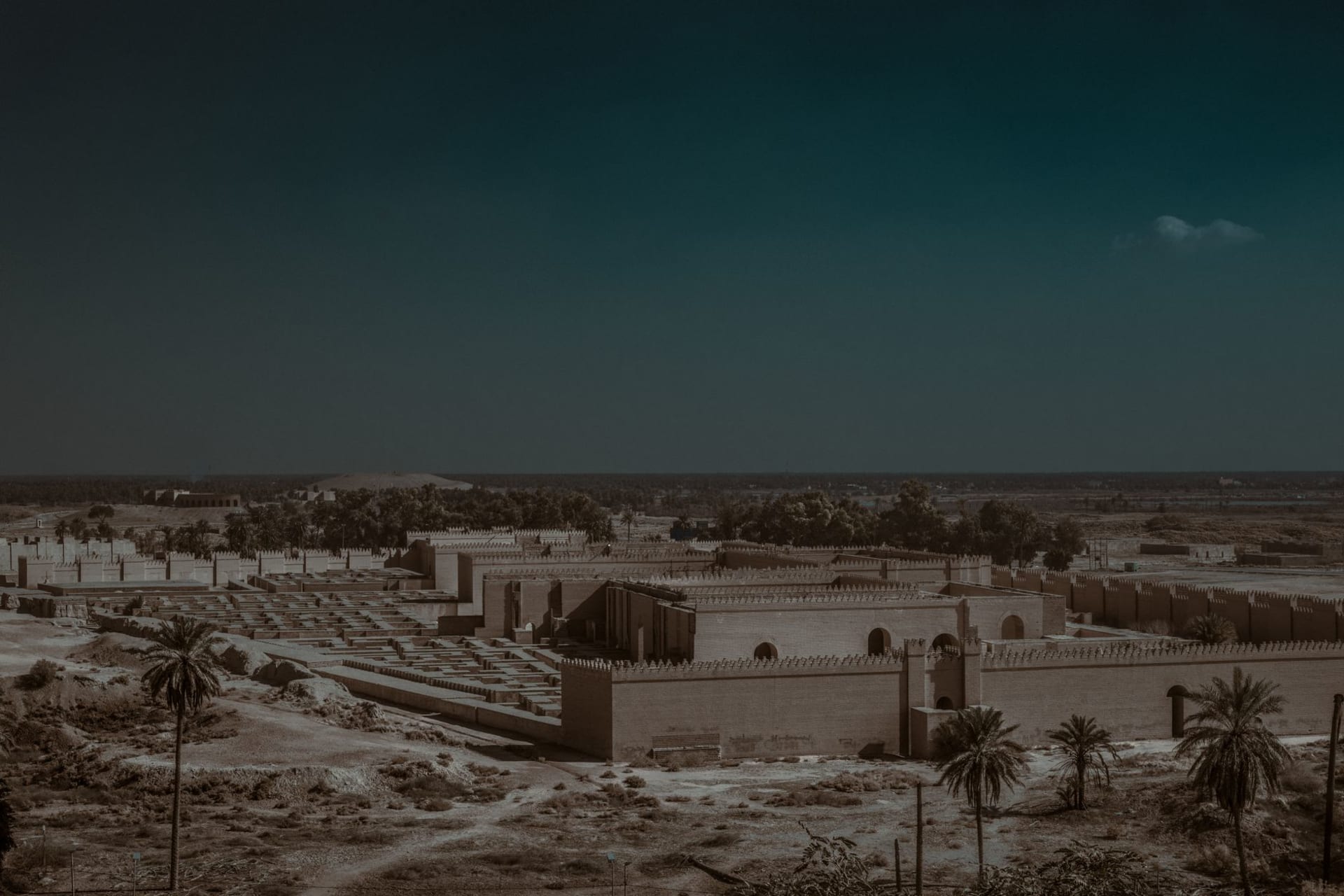
The Iraqi Marshes
"The marshes feel less like a place and more like a grammar — a syntax of water and reed that the whole civilization was written in."
The boat is called a mashoof, and it moves through the marsh the way a sentence moves through thought — quietly, without announcement, following channels you couldn’t see from land. My guide Ali stood at the stern with a long pole and barely seemed to exert himself, yet the narrow wooden hull slid through corridors of papyrus and reed that rose four meters on either side, filtering the morning light into something pale gold and aqueous. The reed smell was dense and vegetable and clean, the way the air smells before a rain that never quite comes. I had no sense of direction whatsoever, and that felt, unexpectedly, like relief.
The Iraqi Marshes — the Ahwar of Southern Iraq — were nearly destroyed. In the early 1990s, Saddam Hussein drained them in retaliation against Shia communities who had sheltered there after the First Gulf War uprising. By 2000, ninety percent of the wetlands were gone: the water rerouted, the reed beds dead, the Ma’dan people dispersed or dead or imprisoned. What happened afterward was extraordinary. After 2003, the dikes were broken and the water returned. The marshes partially reflooded. The birds came back. Some of the Ma’dan came back. The Ahwar are now a UNESCO World Heritage Site, recognized as both a cultural landscape and a biodiversity hotspot — one of the world’s largest inland delta systems, home to forty percent of the Middle East’s bird species during migration.
I spent two days on the water, sleeping the first night in a mudhif — the traditional Ma’dan guesthouse, an arched hall constructed entirely from bundles of giant reed, the same method used for five thousand years, the same method depicted in Sumerian carvings. It requires no nails, no mortar, no wood — just reeds soaked and bent and lashed, creating a ribbed space of extraordinary beauty, the light filtering through as if through a wicker lantern. Ali’s cousin owned the mudhif. His wife served fresh masgouf — river carp split and grilled on wooden stakes over a fire of date-palm fronds — and flatbread still warm from a clay tanga oven. The carp had a muddy richness I hadn’t expected, and the bread tasted of smoke.
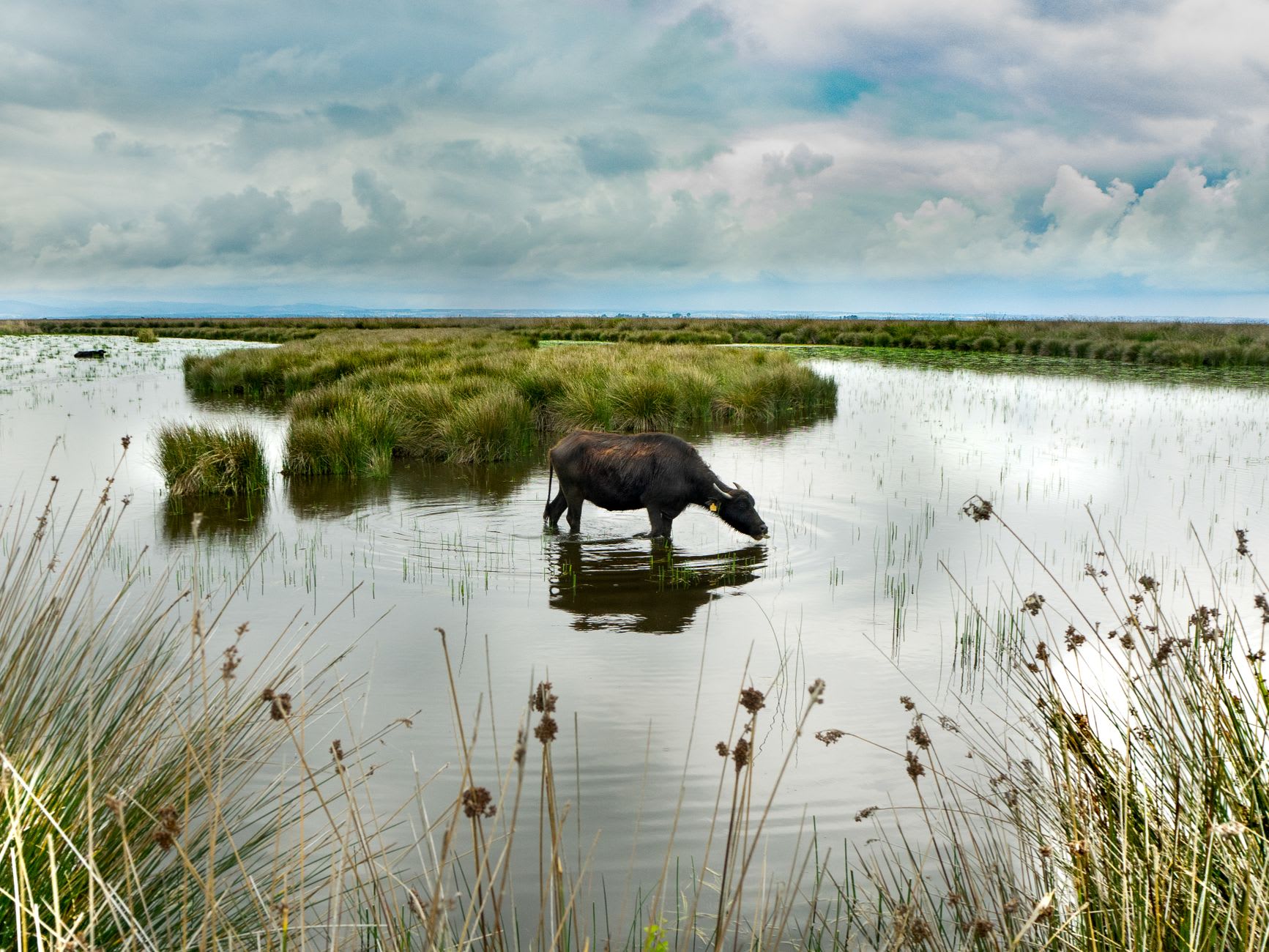
The water buffalo that the Ma’dan keep wade chest-deep through the marsh shallows, their backs dotted with egrets. Caspian terns scream overhead. In the channels between the larger islands, you can find traces of ancient Sumerian occupation just below the waterline — sherds of pottery, the remains of reed platforms from four millennia ago, the marsh preserving under water what the desert destroys on land. The Sumerians first settled here, on these same islands, and their civilization grew from this mud. That continuity — the Ma’dan still here, still building in reed, still fishing the same channels — is not a heritage tourism construct. It is simply what remained when the water came back.
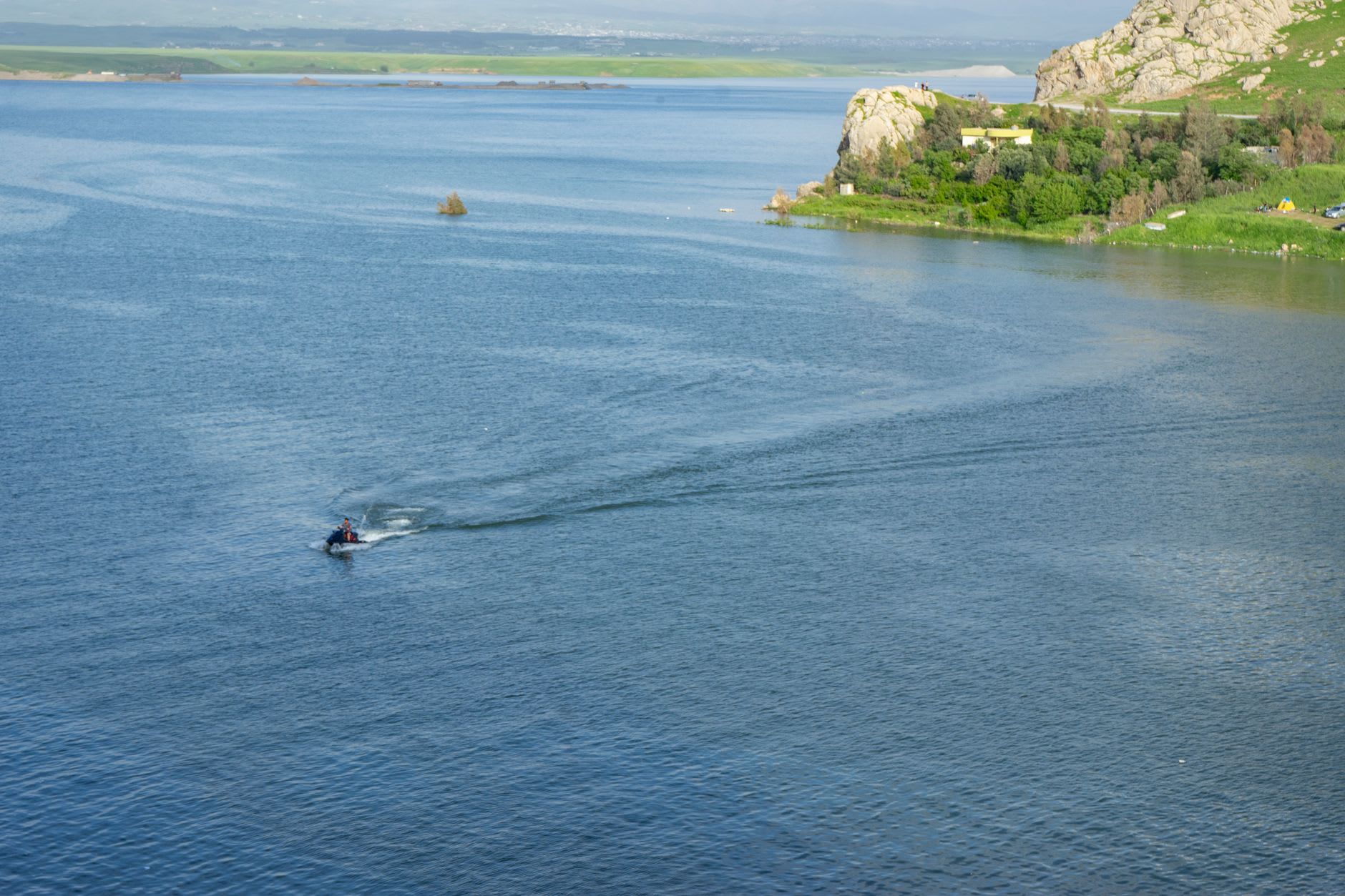
Getting to the marshes requires arriving via Basra or Nasiriyah. Ali operates through a local cooperative in Chibayish — the main town near the Central Marshes — and his number circulates among foreign visitors who manage to find their way here. There is, as yet, no booking website. That too is temporary.
When to go: October through April. March and April see extraordinary bird migration — storks, pelicans, herons — passing through in concentrations that feel prehistoric. Summer floods the area with heat and insects; the marshes are most beautiful and most accessible in the cooler months.