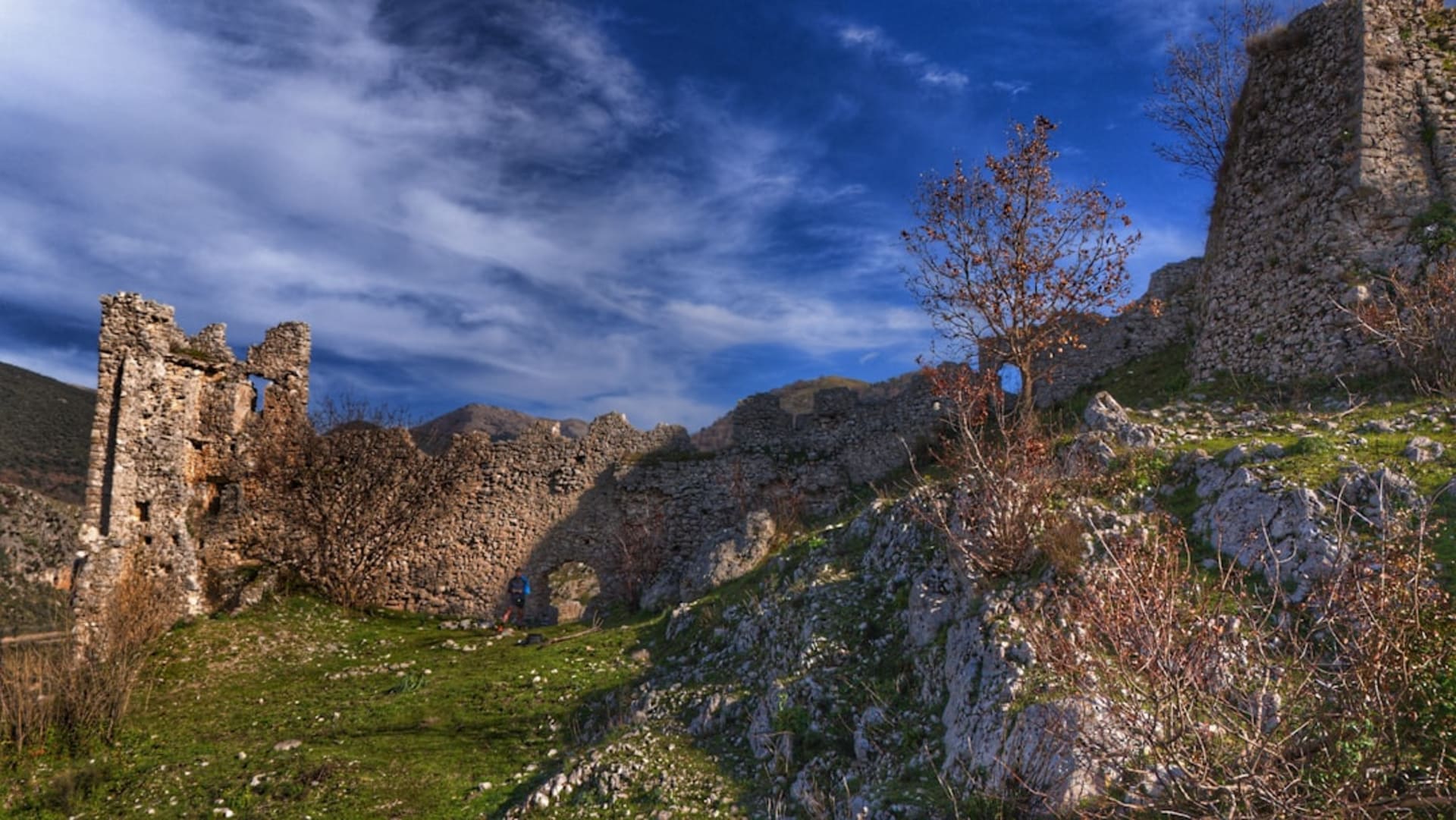
Eridu
"The Sumerians believed kingship descended from heaven to Eridu first. Standing there, you almost believe it too."
The city the Sumerians themselves called the first one ever built — a lone eroded ziggurat in the deep desert southwest of Nasiriyah, older than memory.
The Sumerian King List — a document that opens with the almost comically blunt line “when kingship descended from heaven, kingship was in Eridu” — put this place first for a reason, and even knowing that the reason is partly myth-making, partly propaganda for whichever dynasty copied the list last, it doesn’t fully dissolve the feeling of standing at Eridu itself. This is, by the current archaeological consensus, the oldest city in southern Mesopotamia, occupied from around 5400 BCE, its temple to Enki — god of fresh water and wisdom — rebuilt on the same spot so many times across three thousand years that excavators found eighteen superimposed temple layers stacked directly on top of each other like sedimentary rock made of devotion.
What’s left today is a single ziggurat, badly eroded, alone in a landscape so flat and so empty that the horizon feels like a technical error. There is no village here anymore, no modern town to root the ruin in anything contemporary — just gravel desert, the wind, and this one mound that used to be a temple to the god who, according to the mythology, gave humans the arts of civilization in the first place. I came from Nasiriyah with a driver who had to stop twice to ask shepherds for directions, which tells you something honest about how far off the circuit this site sits.
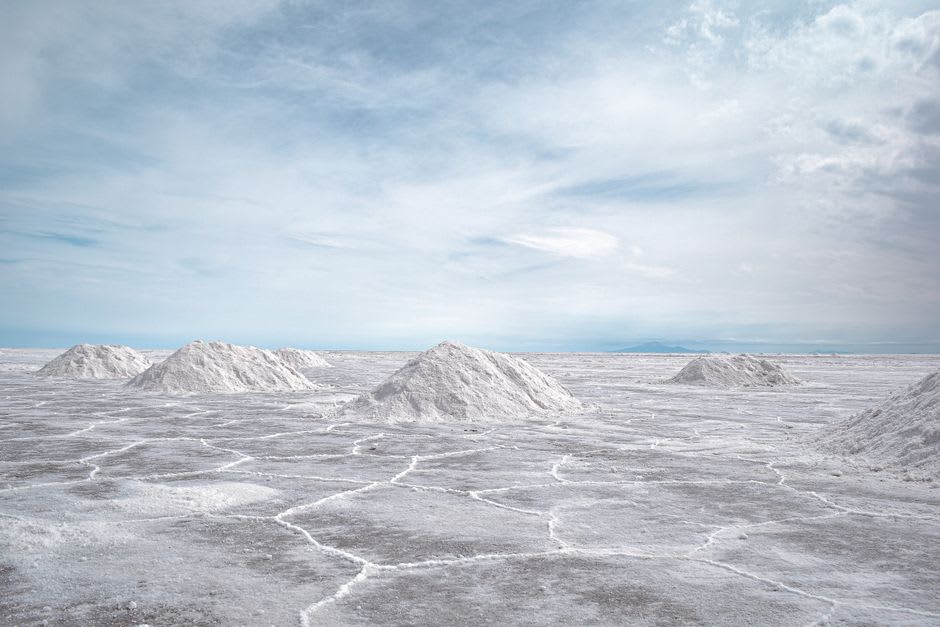
Eridu was also, according to the same mythological tradition, the site of Adapa’s story — the first man, granted wisdom by Enki but denied immortality through a trick he never understood, a narrative structure that echoes forward, unmistakably, into the Genesis story of Eden. Standing on the excavated temple platform, looking at a landscape with genuinely nothing on it, I found myself thinking less about archaeology and more about the sheer audacity of a Bronze Age culture deciding this particular stretch of riverbank was where human wisdom itself began. The excavated pottery here — beveled-rim bowls by the thousands, some of the earliest mass-produced objects on earth — sits mostly in Baghdad’s museum now, but a few sherds still surface underfoot if you know where to look, which the caretaker who met us did.
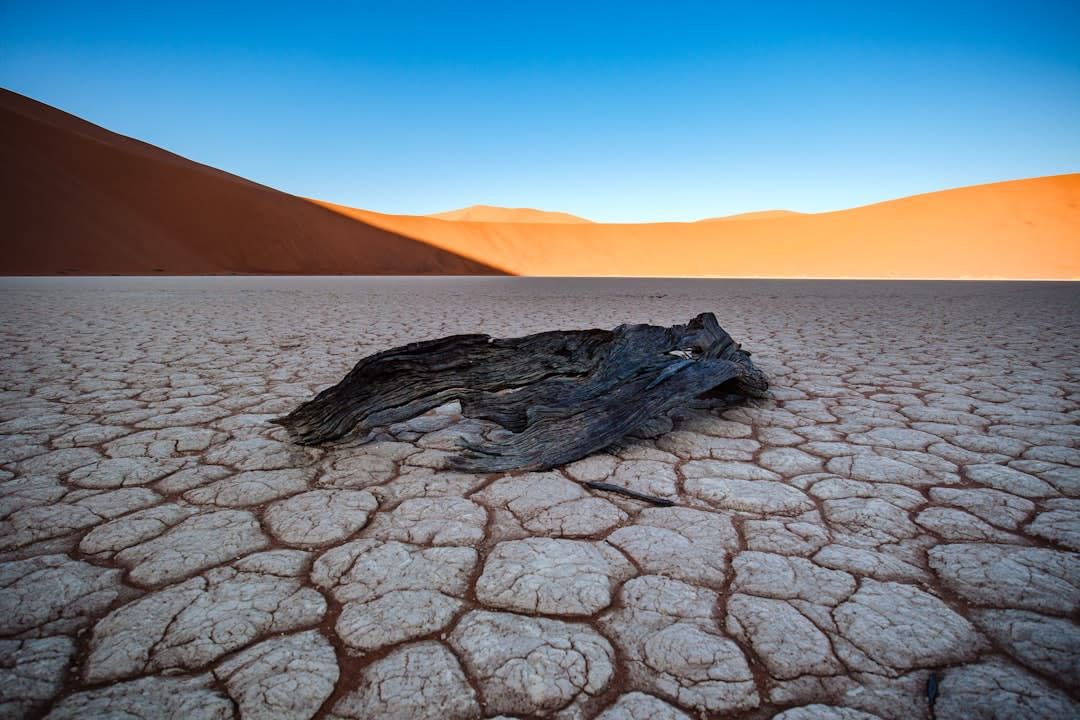
I’ve been to a lot of remote ruins in my life, but Eridu was the first place that made me feel something closer to trespass than tourism — like I had wandered uninvited onto the opening page of a book everyone else stopped reading centuries ago. There was no gift shop, no signage, no other visitor. Just the ziggurat, the caretaker’s quiet pride in showing it to me, and an emptiness that felt less like abandonment and more like patience.
When to go: November through February only — this is one of the harshest, most exposed sites in southern Iraq, with zero shade and long stretches of unpaved desert track. Go with a driver who knows the route already; do not attempt it with only GPS.