Al-Qurnah
"Whatever you believe about Eden, two of the four rivers of Genesis meet here, in plain daylight, and merge into one."
The town where the Tigris and Euphrates physically become one river — long claimed as the site of the Garden of Eden, and home to a dead tree tourists still visit as the Tree of Knowledge.
There’s a particular kind of place that runs on the collision between literal geography and inherited myth, and Al-Qurnah is one of the purest examples I’ve stood in. This is where the Tigris and the Euphrates — the two great rivers that gave Mesopotamia its name, the two rivers named explicitly in the Book of Genesis as boundaries of Eden — physically merge into a single wide channel, the Shatt al-Arab, that then runs on to the Gulf. You can watch it happen from a small concrete platform at the water’s edge: two distinct currents, sometimes visibly different in color depending on runoff and season, braiding together into one.
The town has leaned into the Eden association for a very long time, and the centerpiece of that tradition is Adam’s Tree, a gnarled, long-dead trunk fenced off in a small garden near the confluence, presented to visitors as the literal Tree of Knowledge from which Adam and Eve ate. I’ll be straightforward: nobody credible dates this specific tree to anything biblical, and the claim is folklore layered onto folklore, likely only a couple of centuries old at most as a specific tourist attraction. But standing next to it anyway, with a caretaker earnestly walking me through the story as though reciting scripture, I found the experience oddly moving rather than silly — it’s less about verifying a fact and more about witnessing how badly humans want their landscapes to mean something.
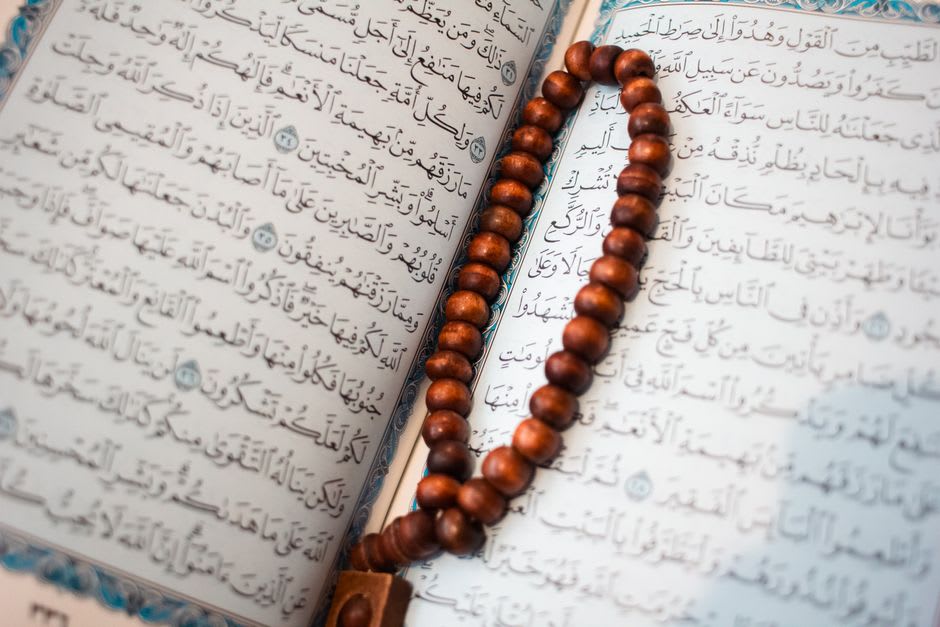
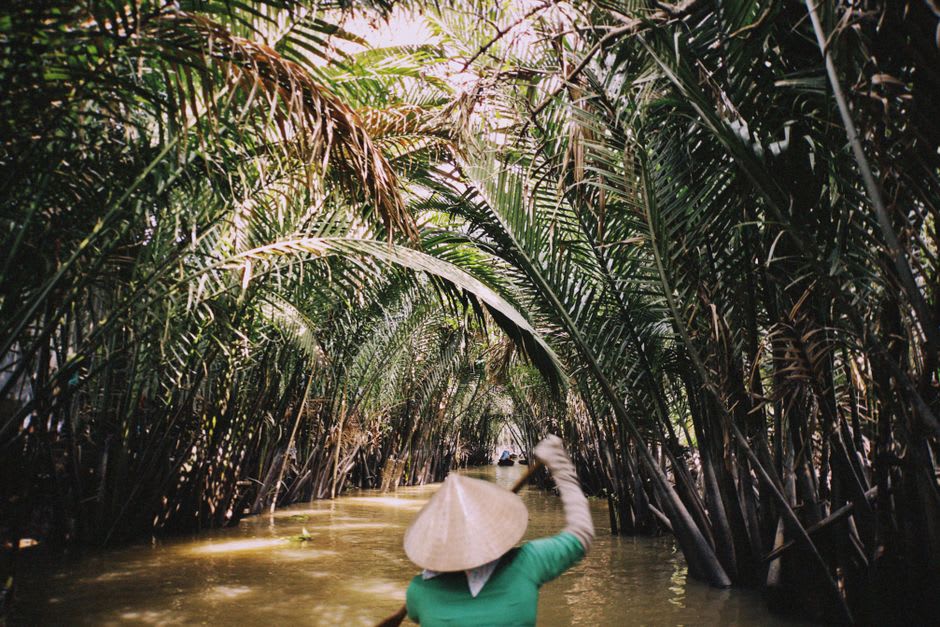
Beyond the Eden theater, Al-Qurnah sits at the literal edge of the Mesopotamian Marshes, and boat traffic through the confluence gives you a sense of how central this junction has been to trade and travel for millennia — motorized launches and older wooden boats crossing paths, fishermen working nets from low skiffs, the palm groves along both banks thick enough to blur where the town ends and the marshland begins. I hired a boatman for an hour to just idle in the confluence itself, cutting the engine so we drifted with the current, watching the two rivers actually mix beneath the hull.
I’ve visited plenty of sites that ask you to suspend disbelief. Al-Qurnah is different — the geography underneath the myth is completely real, the two rivers really do become one right here, and that fact alone is strange enough that the Eden story almost feels like an unnecessary embellishment.
When to go: November through March. The site itself is a short excursion, easily combined with a visit to nearby Basra or as a stop en route to the marshes; boats for the confluence are best arranged early in the morning before the afternoon river traffic picks up.
Keep exploring
More from Mesopotamia
 mesopotamia
 Ashur
The original heart of the Assyrian empire, perched on a limestone cliff over the Tigris — a UNESCO site that survived three thousand years of history only to nearly lose a fight against a proposed dam.
Explore mesopotamia
 Babylon
Hammurabi's capital still holds the bones of the world's first laws — a ruin that once dazzled antiquity and now demands imagination to reassemble.
Explore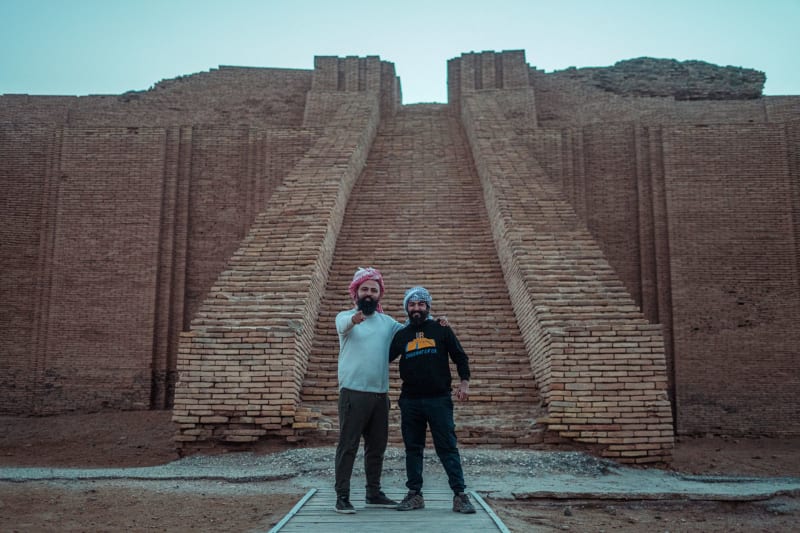 mesopotamia
 Baghdad
A city carrying twenty-five centuries of being the center of the world, now rebuilding itself in a thousand small and stubborn gestures of ordinary life.
Explore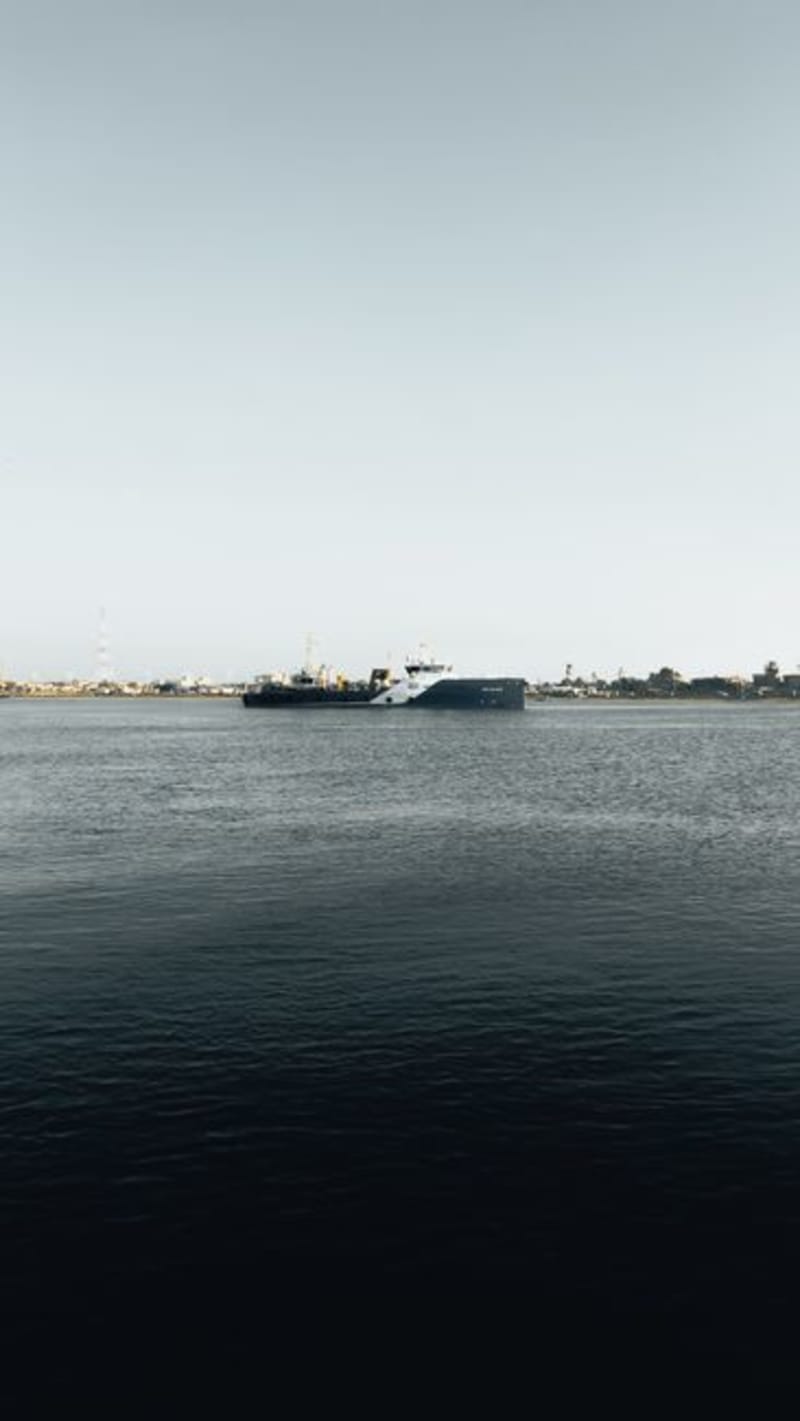 mesopotamia
 Basra
Iraq's southern port city, threaded with canals and palm groves along the Shatt al-Arab, where Sinbad supposedly set sail and where oil money and old commerce still argue with each other.
Explore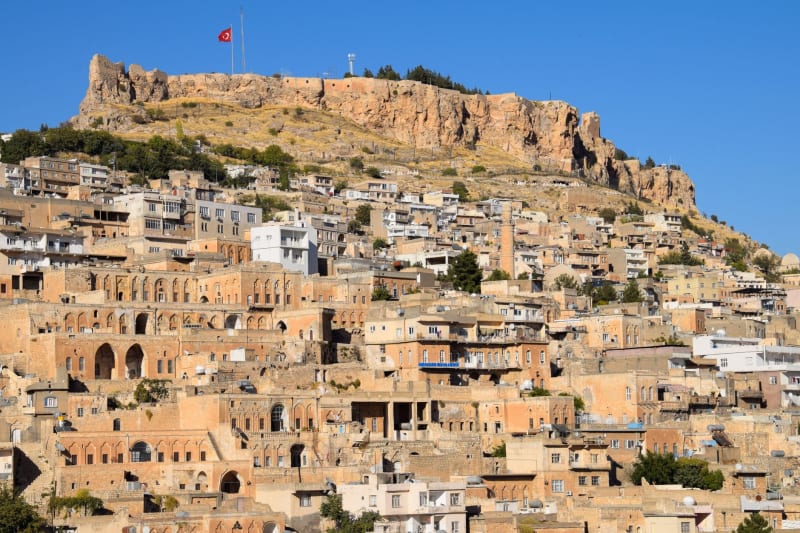 mesopotamia
 Ctesiphon
The world's largest unreinforced brick arch stands alone in the Iraqi desert south of Baghdad — a ghost city reduced to a single breathtaking room.
Explore mesopotamia
 Erbil
The citadel of Hawler has been continuously inhabited for six thousand years — the oldest city on earth may also be the most quietly alive.
Explore