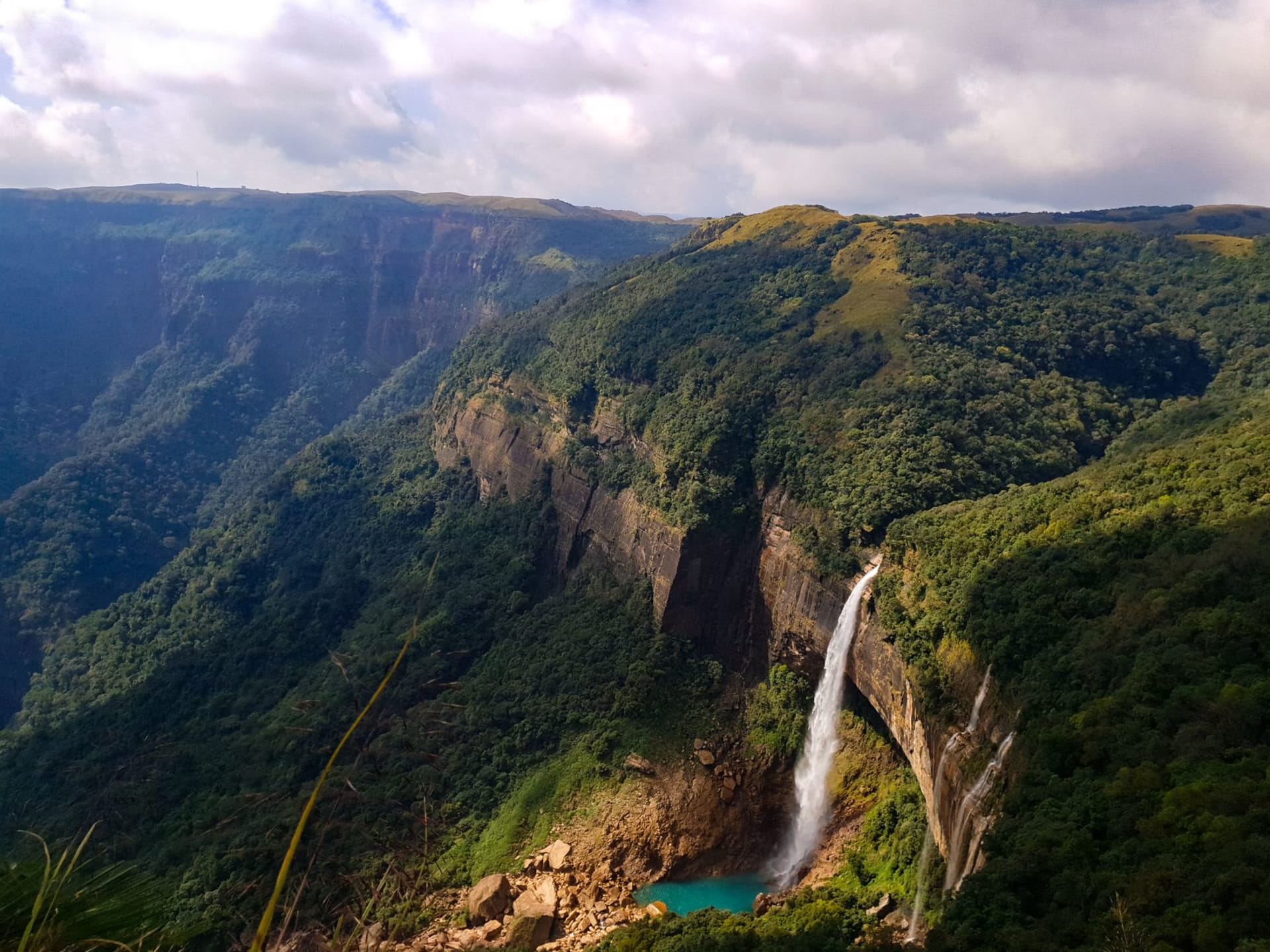
Garo Hills
"The Garo Hills feel like a different country from Shillong — same state, different planet."
Nobody told me the Garo Hills would feel like a completely different country from the Khasi Hills to the east. The language, the food, the architecture, the faces, the way the land sits — everything changes when you cross the Simsang River basin and enter Garo territory, and the change is not subtle. The Garo are not Khasi. They have their own language (Achik), their own matrilineal system (different in structure from the Khasi), their own festivals, their own relationship with the forest. The fact that they share a state with the Khasi is an administrative reality that the landscape and culture make no particular effort to reflect.
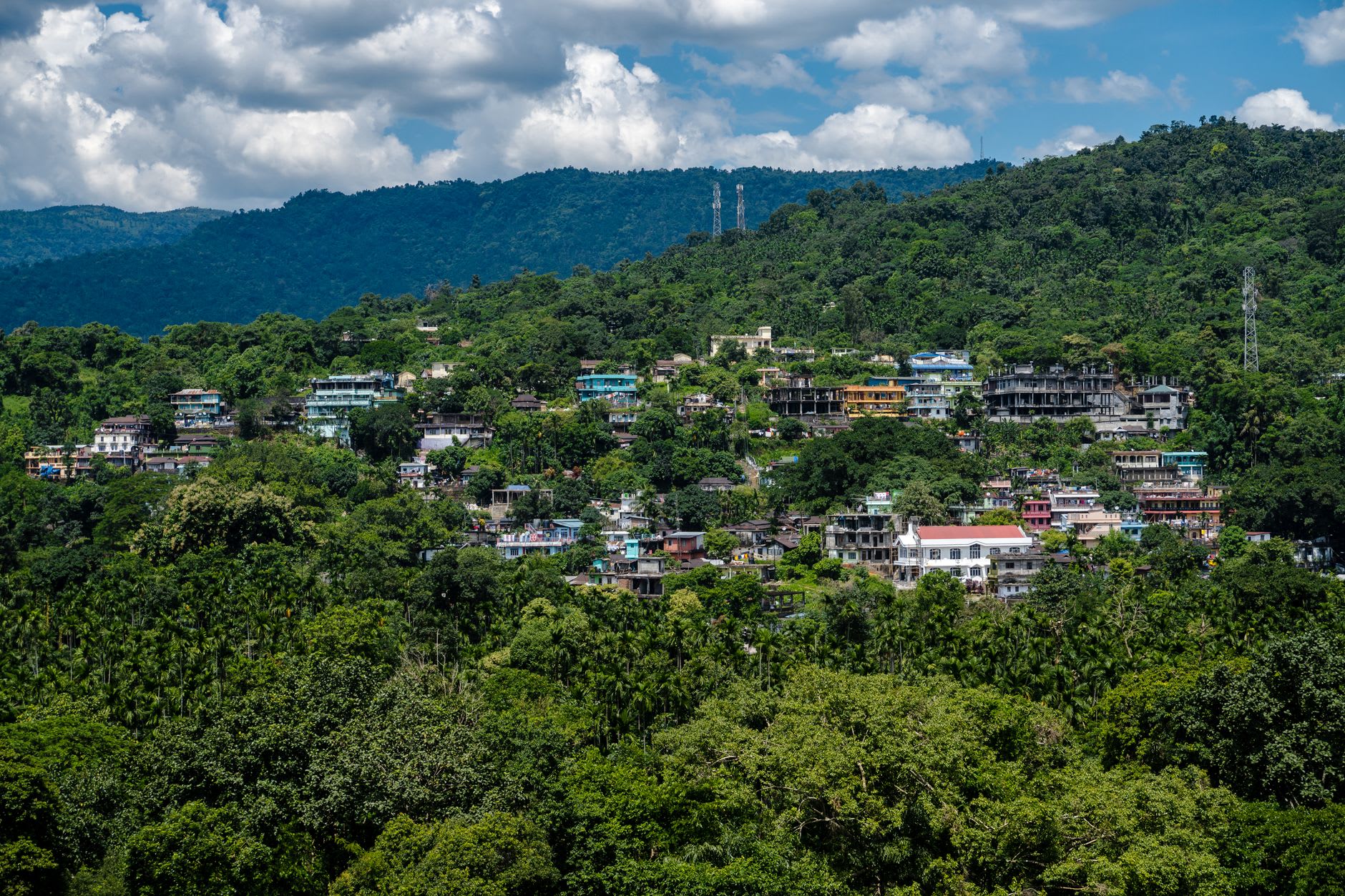
I flew into Shillong and took the long road west through Assam — there’s no direct road that stays entirely within Meghalaya — arriving in Tura after six hours that involved three states, a segment of national highway, and a chai stop in a small Assamese town where the samosas were better than anything I’d eaten in weeks. Tura is the Garo Hills’ main town: a sprawl of concrete and bazaars along the Dalagiri range, sitting at elevation with views south toward the plains of Bangladesh. It has a market, a handful of guesthouses, and a quality of being emphatically not interested in tourism in the way that towns with something better to do are emphatically not interested in tourism.
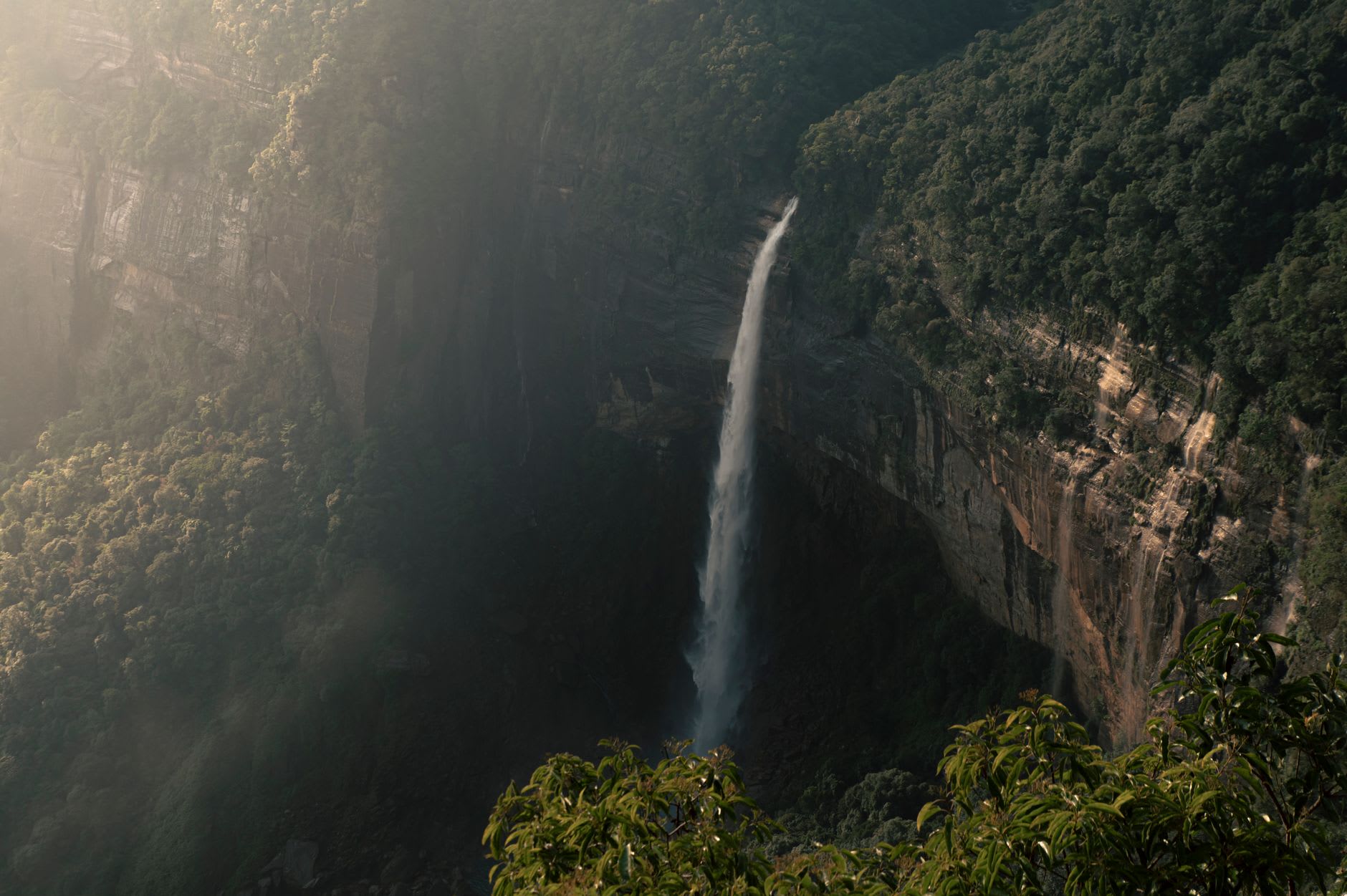
The reason to be here is Nokrek National Park, which occupies a biosphere reserve in the Garo Hills and holds two things I’d traveled to see: the last wild population of the citrus ancestor Citrus indica — the genetic origin of every lemon, orange, and lime on earth, growing wild in the forest — and elephants. The Asian elephant population in the Garo Hills is one of the more significant in northeast India, moving through forest corridors between Meghalaya, Assam, and Bangladesh across an unfenced migratory range that doesn’t accommodate political borders. My guide, a Garo man named Tengban who had the composure of someone who has spent considerable time around large animals in small clearings, took me through the forest edges at dawn for three mornings. We heard elephants twice — a crashing in the undergrowth the second morning, close enough that Tengban gripped my arm and we stood completely still for four minutes — and saw them once, a family of six crossing a forest road three hundred metres ahead of us.
Balpakram National Park, further south toward the Bangladesh border, is wilder and less visited — “the land of eternal wind” in Garo, a plateau of grassland and deep gorges where the wind never completely stops. Getting there from Tura requires a full day’s travel and a willingness to navigate roads that are more aspiration than infrastructure. I went with a jeep and driver for two days and spent one night in a forest rest house where the wind through the window gaps was constant and low and the darkness outside was total. In the morning a Garo woman brought tea and flatbread before sunrise and I ate at a wooden table watching the grassland plateau emerge from the dark.
Garo food is its own thing — heavier on vegetables and river fish than the pork-dominant Khasi kitchen, with a particular dish called wak nok that uses dried pork fat and dried fish together in a way that sounds alarming and tastes like a deep umami punch. There’s rice beer, kiad, brewed by families and served without ceremony, and a fermented soy preparation that sits on every table and smells intensely of everything fermented in the world simultaneously. I ate all of it. Several times.
When to go: October through April for the Nokrek and Balpakram forests — monsoon makes the roads impassable and the forest floor genuinely dangerous. November and December are the best months: cool, clear, and the forest still carrying the post-monsoon green intensity. Allow at least four days for the Garo Hills; the distances and road conditions make quick visits pointless. Wangala, the Garo harvest festival, falls in November and is worth timing your visit around if possible.