
Flores
"Flores is the place you plan to spend one night in and leave three days later, still not sure why you stayed."
The causeway from Santa Elena arrives on the island at an angle, so the first thing you see of Flores is not its famous waterfront but a jumble of corrugated rooftops and satellite dishes and a church steeple catching the last of the afternoon sun. It is a slightly anticlimactic introduction to a place that reveals itself slowly. Cross the causeway on foot, turn left along the waterfront promenade, and within ninety seconds you understand what the photographs were trying to tell you — the island is small enough to circle in fifteen minutes, its pastel buildings crowding down to the water’s edge, the lake extending in every direction into jungle that covers the Petén basin to the horizon.
Lago Petén Itzá is not a scenic backdrop. It is the reason the island exists. The Itza Maya built their capital here for the same reason the Spanish later found it defensible and the same reason travelers now linger — the water provides a natural moat, the lake breezes cut the Petén heat by several degrees, and the light on the water in the late afternoon is the kind that makes even phone cameras produce pictures worth keeping. The lake also holds crocodiles, but they stay in the shallower margins near the shore, and the local children swim with the proprietary fearlessness of people who have grown up next to something large and mostly indifferent to them.
Most visitors to Flores are using it as a base for Tikal, which is a perfectly valid approach and does not prevent you from also appreciating the island on its own terms. The restaurants that line the waterfront range from mediocre tourist traps to genuinely good Guatemalan kitchens where the black bean soup is made from scratch every morning and the grilled fish comes from the lake itself, simply prepared and properly seasoned. One evening I ate at a place with four tables and no menu — you ate what the owner’s wife had cooked that day — and the stewed chicken in pepián sauce, a pumpkin-seed mole with a depth that bore no resemblance to any jar sauce I’d encountered, was the best thing I ate in the Petén.
The village of San Miguel, accessible by lancha in eight minutes across the water, gives you a version of the lake that Flores has outgrown. The women still wash laundry on the stones at the water’s edge in the morning, a sound you can hear from the boat before you arrive. San Andrés, further along the north shore, has an excellent Spanish school where several travelers I met were spending weeks studying while taking day trips to ruins they would not have found on their own. This is a good way to use the lake.
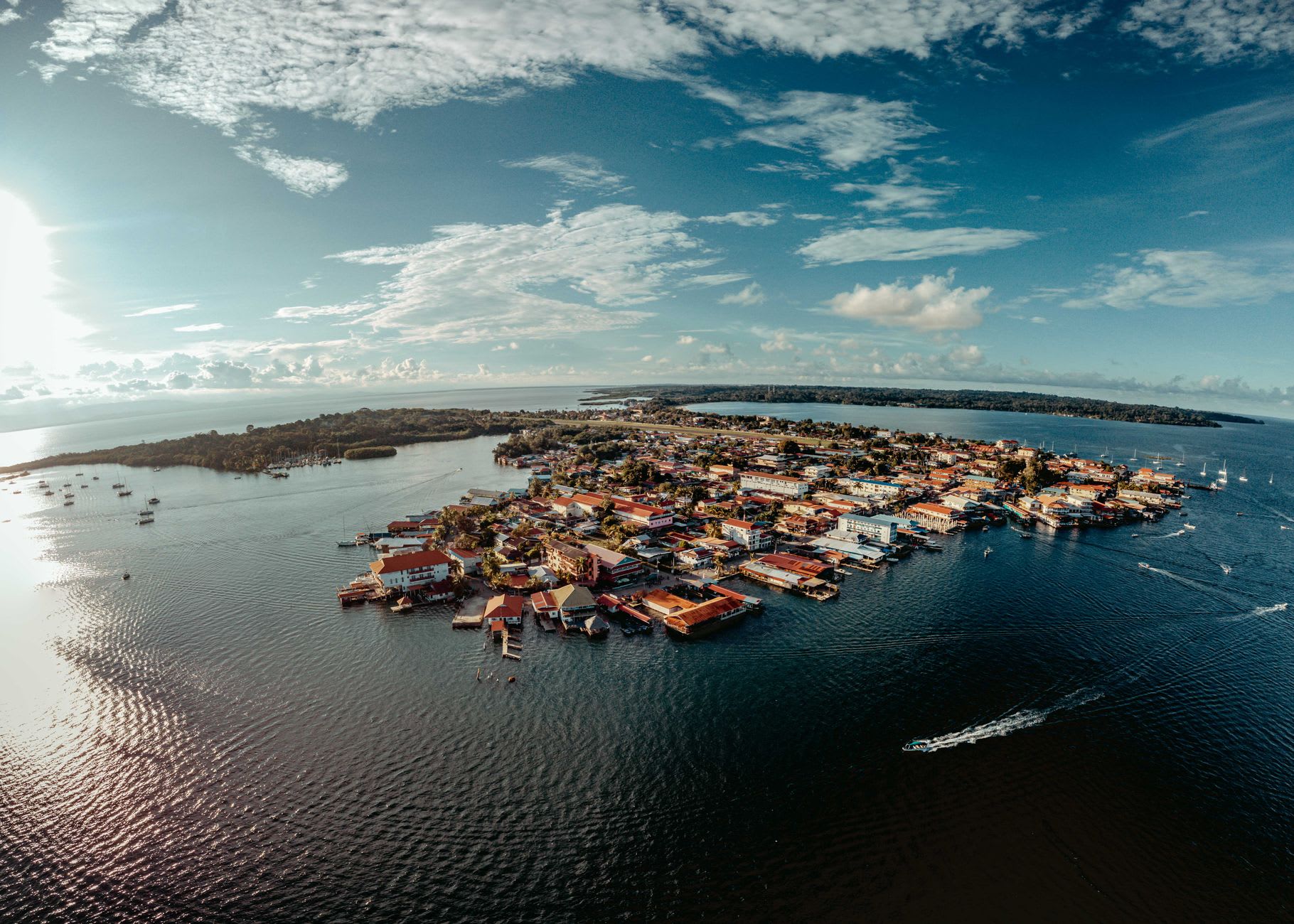
The island itself rewards an evening wandering without purpose. The streets are narrow enough that two people walking side by side will brush the walls of buildings. The church on the central plaza has a cool interior where the sound of the lake traffic outside becomes very distant, very quickly. There are cats everywhere. The cats of Flores are the most relaxed animals I have ever encountered, distributed across walls and doorsteps and restaurant chairs as if the island belongs to them, which it more or less does.
When to go: November through March is dry season and the most comfortable for day trips to Tikal. Flores is worth visiting year-round — the lake does not care about seasons — but avoid April through June when the heat peaks and the humidity becomes something you have to negotiate with.