Chichicastenango
"On the Santo Tomás steps, I understood that some ceremonies never stopped for Columbus."
I arrived on a Thursday morning by chicken bus from Quetzaltenango, three hours of mountain switchbacks with a chicken on my lap that belonged to the woman next to me and that accepted its situation with more equanimity than I did. The market had already been running for two hours by the time I got there — the Thursday and Sunday markets at Chichicastenango are among the longest-running markets in the Americas, operating on this site for centuries before the Spanish arrived and centuries since. What strikes you first is not the visual spectacle, which is considerable, but the smell: copal incense in thick ribbons of white smoke, rising from braziers on the steps of Santo Tomás church, the scent of pine needles spread across the market floor, and somewhere underneath it all the warm cooking smell of chiles and chocolate from the women making atol around the corner.
The steps of Santo Tomás are where the market and the sacred overlap in a way that nowhere else I’ve seen manages to replicate. Every Thursday and Sunday morning, the aj’quij — the Maya daykeepers, the ones responsible for tracking the ceremonial calendar and conducting offerings — burn copal and light candles on those steps. They are conducting the same ceremony that pre-dates the church itself, now performed at the foot of a Spanish colonial building that was built directly on top of a Maya temple site, as so many Spanish churches in the Americas were. The syncretism is not a compromise. It is a negotiation that has been going on for five hundred years, and the Maya side of it has not conceded any of the essential terms.
The interior of Santo Tomás church continues this logic. There are no pews. The floor is covered in pine needles and flowers and candles in colors that correspond to specific intentions in the Maya color-direction system — black for the west and death, red for the east and new life, yellow for the south, white for the north. People kneel not at an altar but anywhere on the floor where their specific prayer requires them to be, burning small candles and speaking quietly to ancestors whose names they know and saints whose names they also know, making no particular distinction between the two. An elderly man in traditional dress was lying completely prostrate in the central aisle, his forehead on the pine needles, absolutely still. No one moved around him in a hurry. The church absorbed his presence and everyone else’s without managing or directing any of it.
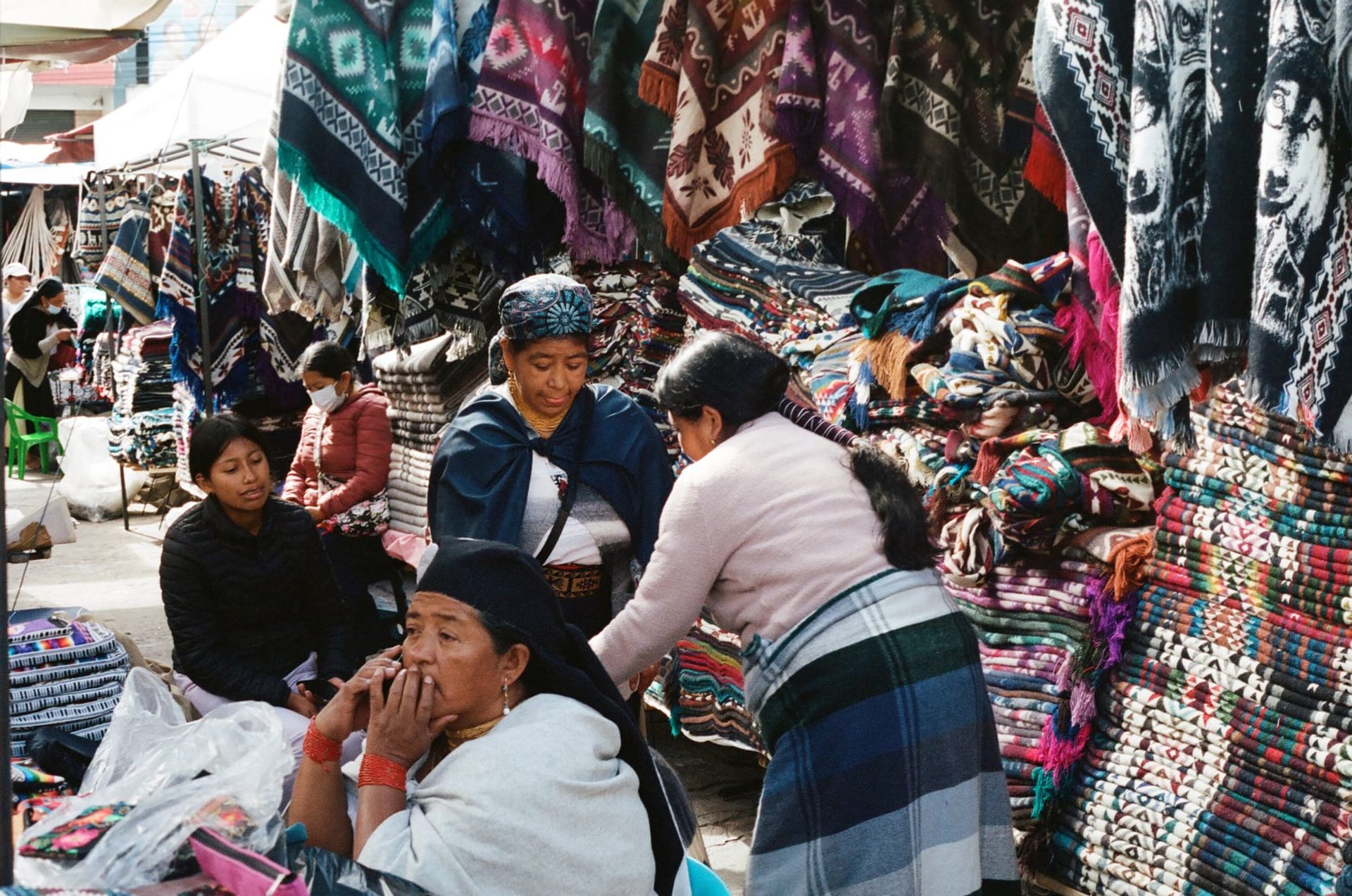
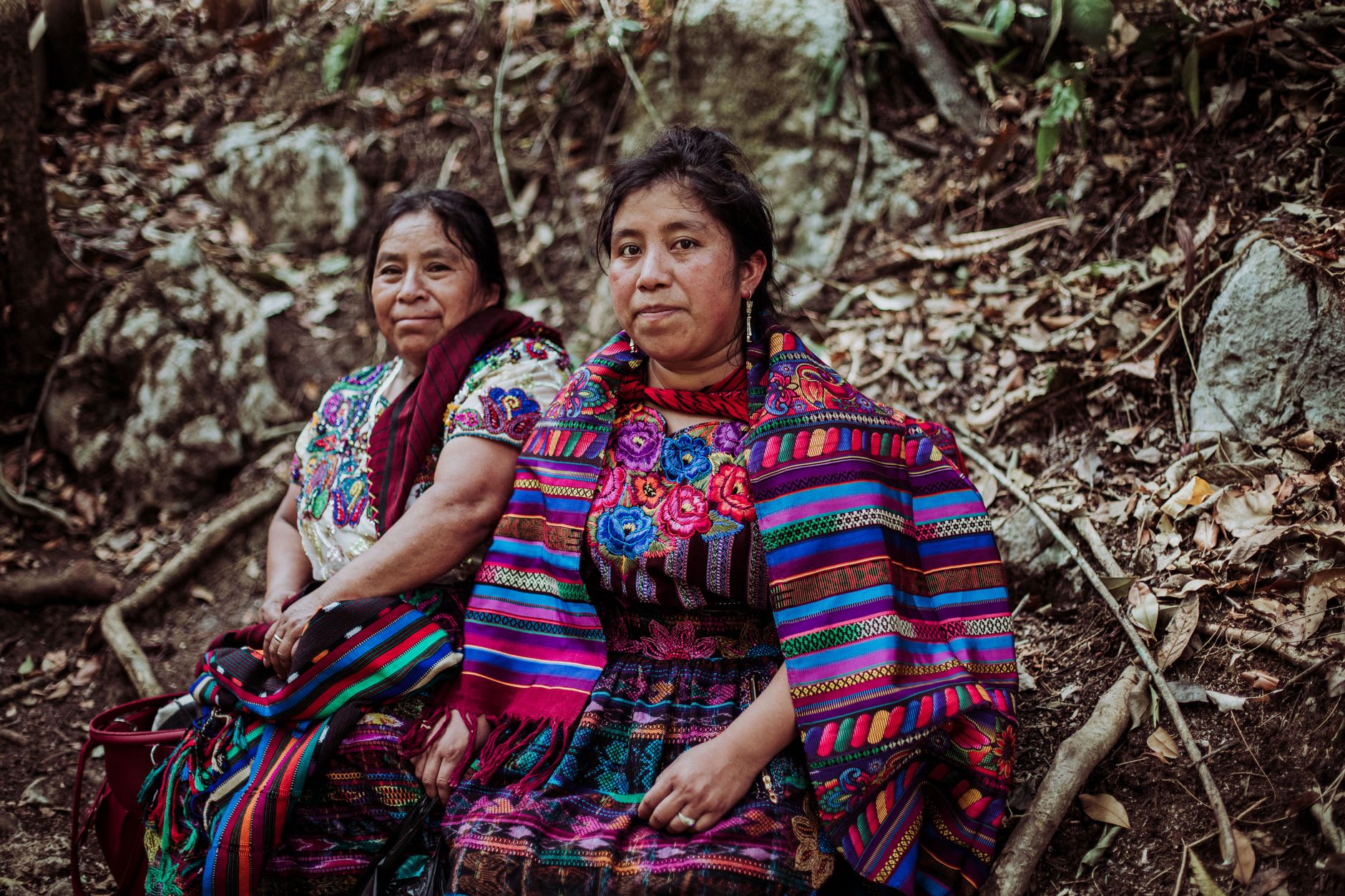
The market itself runs the length of several streets and spills through courtyards and up hillsides. The textiles here are the most varied I encountered anywhere in Guatemala — huipiles from a dozen different pueblos, each with its own pattern vocabulary, some panels dating back several generations. There are stalls selling handmade wooden masks, carved copal incense holders, jade jewelry, dried herbs in bunches whose medicinal applications are described by the seller with an expertise that suggests genuine knowledge rather than tourism. There are also Chinese-manufactured plastic goods and bootleg T-shirts, which is the market being honest about the twenty-first century.

Outside town, a twenty-minute walk up a pine-forested hill, is the shrine of Pascual Abaj — a stone idol of pre-Columbian origin where the aj’quij conduct outdoor ceremonies at dawn. I hiked up alone on a Friday morning and found a ceremony already in progress: candles, copal, a fire, two people praying in K’iche’. They did not acknowledge my presence and I did not intrude on theirs. After twenty minutes I walked back down through pine trees that smelled exactly like Christmas and thought about what continuous culture actually means.
When to go: Thursdays and Sundays for the main market. Arrive by seven to beat the tour groups from Antigua, which arrive around nine and change the market’s character completely. The highland cool means any month is comfortable; December brings particular ceremony around the feast of Santo Tomás on the twenty-first.