Mahébourg
"The dholl puri vendor outside the market doesn't advertise. He doesn't need to."
The dholl puri trolley appeared at the corner of the market road at six-fifty in the morning, and by seven there was already a queue. The man running it — older, unhurried, working with the efficiency of someone who has made the same movements ten thousand times — rolled the flatbreads on a small stone surface, ladled lentil curry from a large pot, added chutneys from glass jars, wrapped each one in a square of wax paper. He handed them over without speaking. I ate mine leaning against a wall while a pair of schoolgirls in uniform argued in Creole about something urgent. The bread was warm, slightly smoky, the curry underneath it dense with spice. It cost almost nothing. I went back for a second.
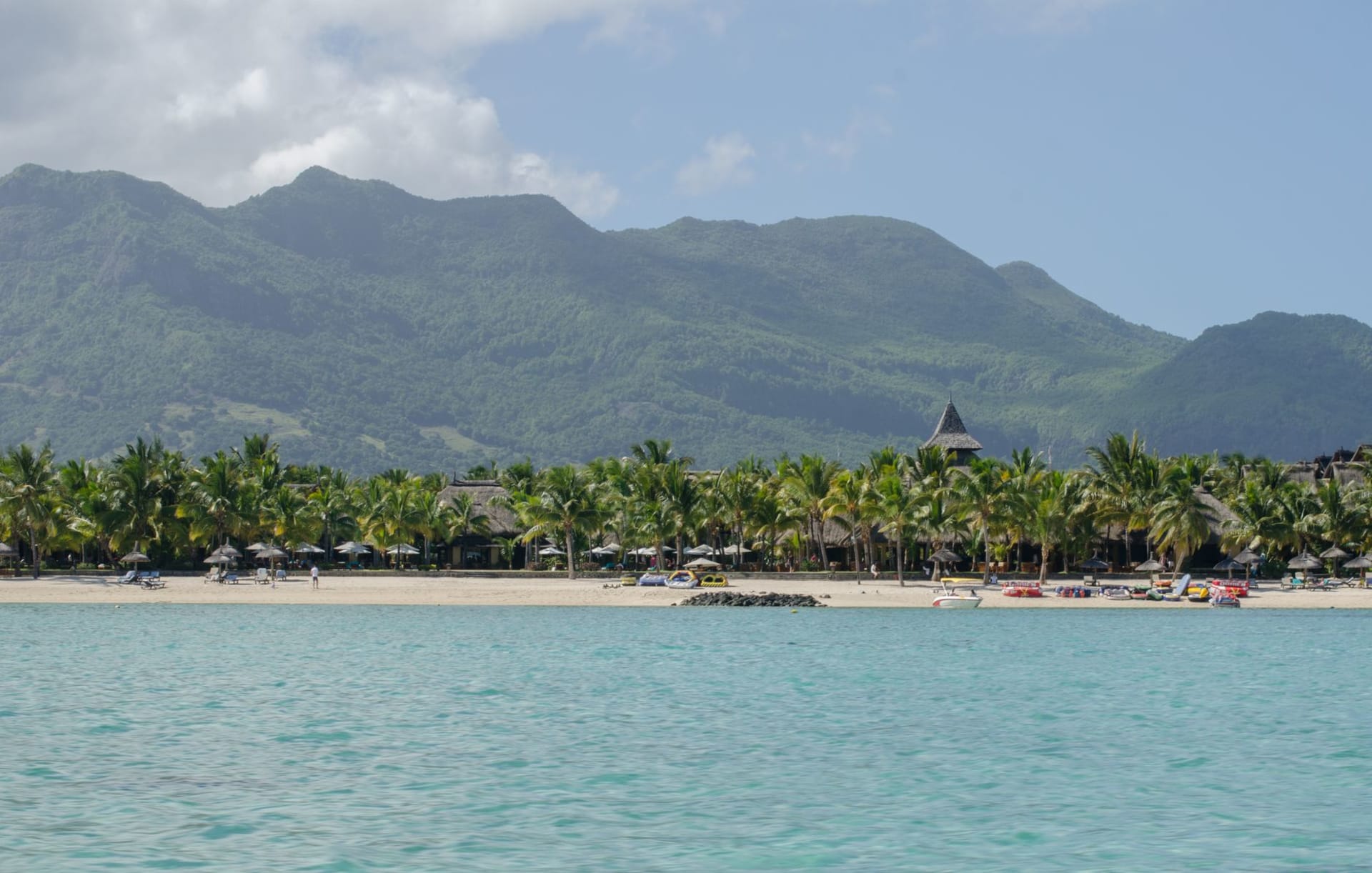
Mahébourg is not Mauritius’s most celebrated town, and it is not trying to be. It sits at the southern end of the island, on a bay where the mountains come down to the water in a long arc, and it has the unhurried quality of a place that knows what it is. The waterfront road curves along the bay, and on Monday mornings a market fills the space between the road and the water — vegetables, fish, secondhand clothes, plastic hardware, a man selling live chickens from a wire cage, another selling phone cases. It is the kind of market that exists for local people rather than visitors, which makes it more interesting than most.

The National History Museum occupies a colonial house on the waterfront road — the former home of a French colonial family — and it holds the most specific and undervisited historical collection on the island. Its subject is the 1810 Battle of Grand Port, a naval engagement between the French and British fleets fought in the waters just off this coast, and the only naval victory Napoleon ever had inscribed on the Arc de Triomphe. The displays include cannons raised from the wreck sites, charts, and personal effects from officers on both sides. I was the only person there for most of an hour, which felt like a gift. The building’s colonial rooms and wooden floors and the light coming through old shutters created a context that made the objects feel less like museum pieces and more like things that had simply stayed in the same place for two centuries.
Across the bay from town, the Mahébourg lagoon extends toward the Île aux Aigrettes, a small coral island that has been restored as a nature reserve — a project to return it to its pre-human ecological state, with giant Aldabra tortoises, pink pigeons, and the kind of native vegetation that was here before the Dutch arrived in the seventeenth century. I took the boat over one afternoon and walked the raised boardwalk paths through vegetation that felt genuinely ancient, the tortoises moving through it with their ancient unhurried purpose, completely indifferent to my presence.

The town has a good rough energy in the evenings — the bars along the waterfront, the smell of grilling fish from the restaurants, people sitting on the seawall watching the lights reflect in the bay. It lacks the tourist polish of the north coast resorts, which is exactly its value. This is what Mauritius looks like when it is not performing for visitors.
When to go: Mahébourg is pleasant year-round. The Monday market is reason enough to arrange your schedule around it. The lagoon is calmest from May through November; the southeast trades can make it choppy December through April but the colours are no less extraordinary.