Île aux Aigrettes
"Fifteen minutes by boat and Mauritius as it used to look, not as it looks now."
A coralline islet off Mahébourg where a fragment of ancient ebony forest still shelters pink pigeons and giant tortoises.
We took the little boat out from Pointe Jérôme, near Mahébourg, on a morning when the lagoon was doing that flat, glassy thing it does before the wind picks up. Lia had read a bit about Île aux Aigrettes the night before and kept saying “wait, so this is what the island looked like before everyone showed up” — and she wasn’t wrong. This coralline limestone islet has been managed as a nature reserve by the Mauritian Wildlife Foundation since the 1980s, and it holds one of the last real patches of the coastal ebony forest that used to blanket lowland Mauritius, before the Dutch, then the French, then the British worked through it.
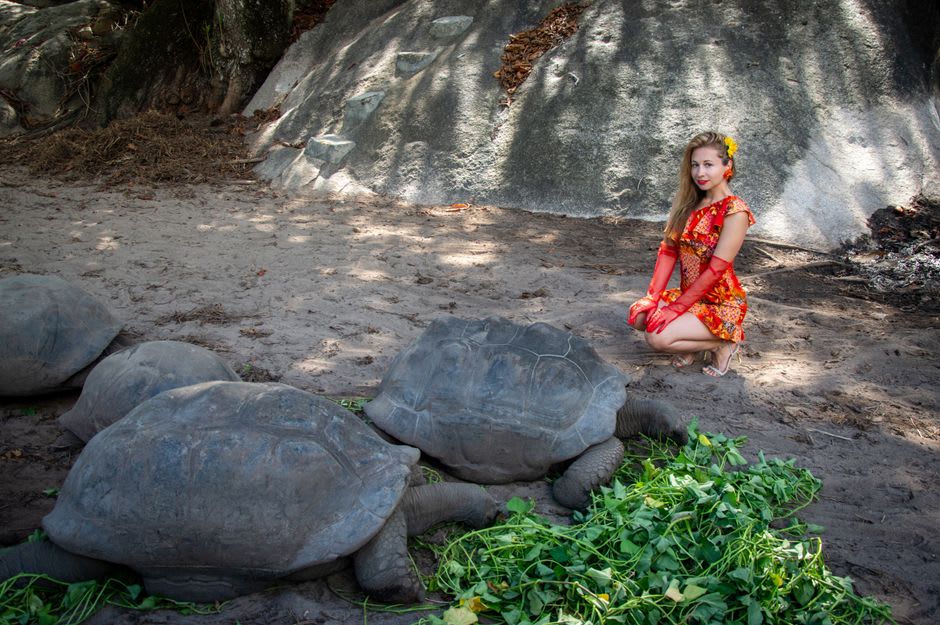
Our guide, one of the foundation’s conservation staff, met the small group right at the jetty and set a slow pace immediately, which I appreciated — this isn’t a place you rush through. She explained early on that almost everything we’d see on the walk was reintroduced, not simply preserved: species brought back deliberately after they’d vanished from the mainland. Aldabra giant tortoises amble around the undergrowth here as stand-ins for the Mauritian tortoises that went extinct generations ago, munching through leaf litter with a patience that made Lia crouch down and watch one for a solid five minutes without saying a word.
What actually stopped me mid-sentence, though, was the pink pigeon. Our guide pointed one out perched low in an ebony branch — a soft, almost dusty rose color, nothing like the pigeons I grew up ignoring in Paris — and told us how close the species had come to disappearing entirely before this reserve became one of the places bringing it back. I’d read the number beforehand and thought I understood it; seeing the actual bird sitting there, unbothered by eight strangers with cameras, made it land differently.
By the time we looped back to the jetty, the heat had properly arrived and I understood why the guide had set that unhurried pace from the start — you don’t want to be power-walking this trail at midday. We caught the return boat with sand still in our shoes and spent the ride talking about how strange it is that a five-minute crossing gets you somewhere that feels centuries removed from the resorts twenty minutes up the coast.
When to go: aim for the drier stretch between May and December, when the walking trails are firmer underfoot and the guided tours are far more comfortable than they’d be in the sticky heat of the wet season.
Keep exploring
More from Mauritius
 mauritius
 Île aux Cerfs
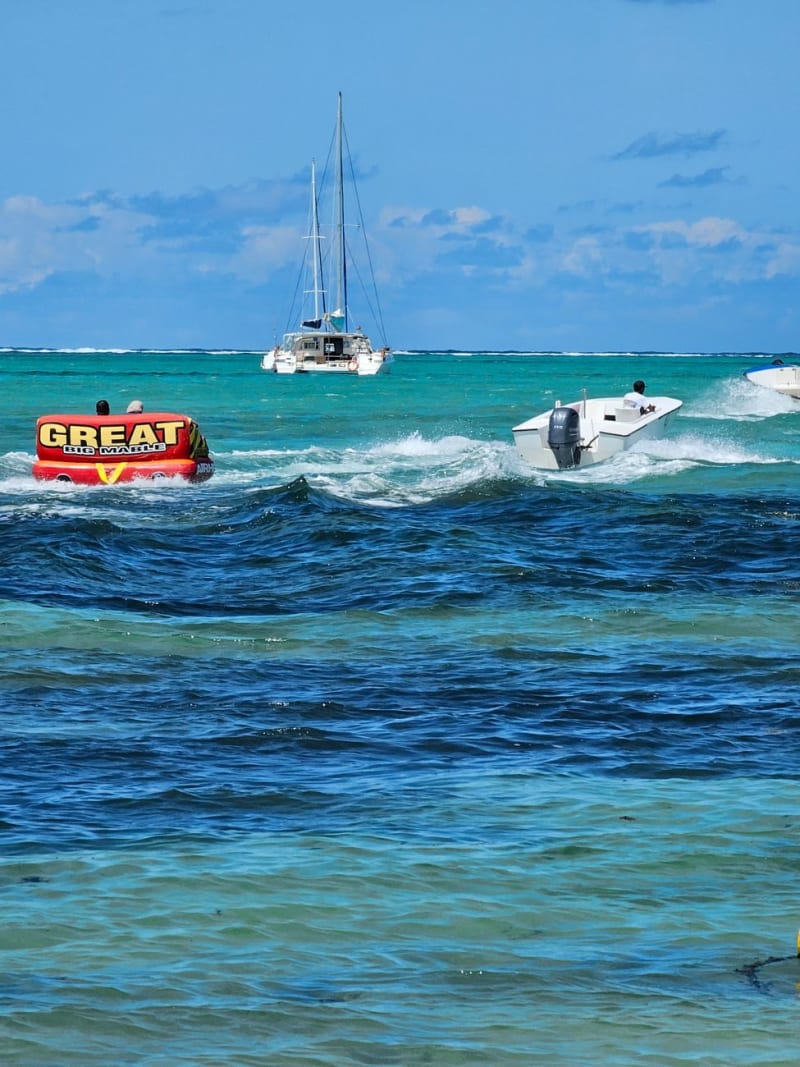
A small lagoon island off Mauritius's east coast, ringed by impossibly clear shallows and a great deal of organised fun you can mostly avoid.
Explore mauritius
 Le Morne
A UNESCO basalt monolith rising from the sea that carries the weight of slavery's end in its very stone.
Explore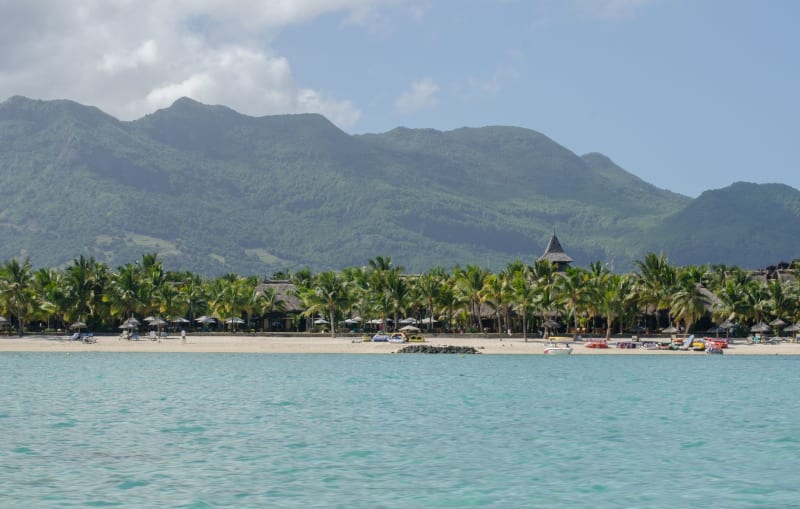 mauritius
 Mahébourg
A sleepy southern town with a Napoleonic naval museum, a weekly waterfront market, and the best dholl puri on the island.
Explore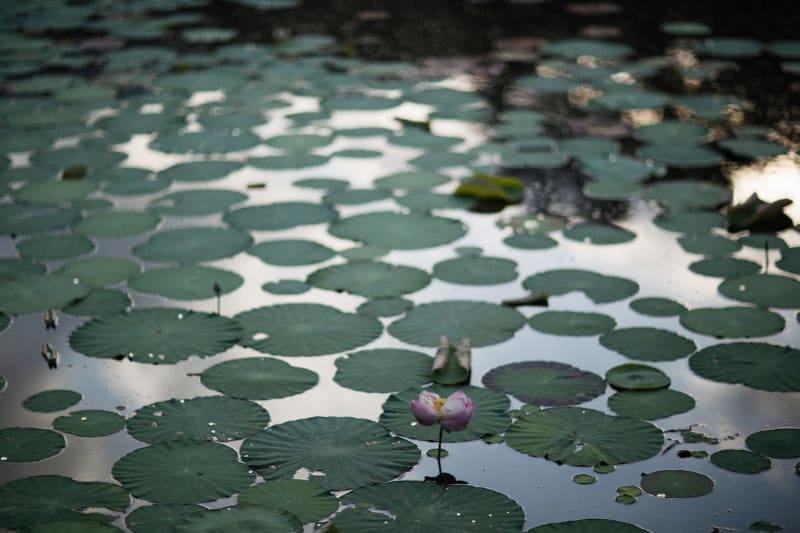 mauritius
 Pamplemousses
A colonial botanical garden in the slow north where giant water lilies and ancient tortoises make the rest of the island feel suddenly rushed.
Explore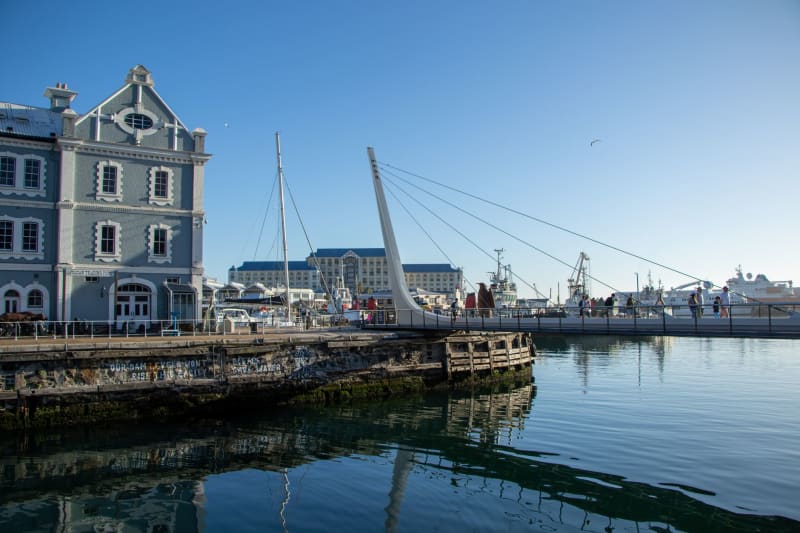 mauritius
 Port Louis
A capital city where Tamil, Chinese, Creole, and French lives overlap on the same street corner without apology.
Explore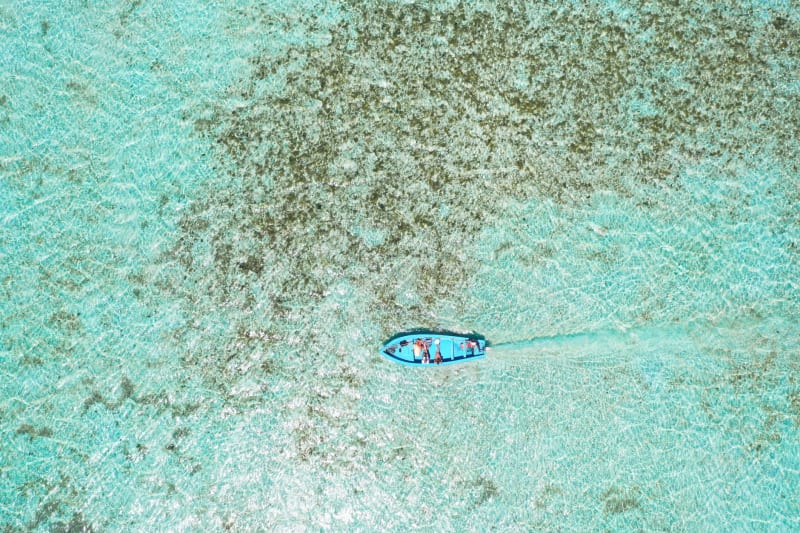 mauritius
 Rodrigues Island
A remote Creole island 560 kilometres northeast of Mauritius that lives at the speed of fishing tides and couldn't care less about your itinerary.
Explore