Ben Amera
"I stood at the base of a rock older than language and felt genuinely small for the first time in years."
A 633-meter granite giant rising alone from the Sahara, second only to Uluru, guarding a silence I've never felt anywhere else.
I’d seen photos of Ben Amera before we ever set foot in Mauritania, and I still wasn’t ready for it. You drive for hours through absolutely nothing — flat gravel plains, the occasional acacia, heat shimmer on the horizon — and then this granite dome just appears, 633 meters of bare rock erupting out of the desert floor like the earth forgot to finish flattening itself. Lia grabbed my arm in the truck and said “that can’t be real,” which is about the most accurate first reaction anyone’s ever had to this place. It’s the second-largest monolith on the planet after Uluru, and out here, with nothing else around for scale, it somehow feels bigger.
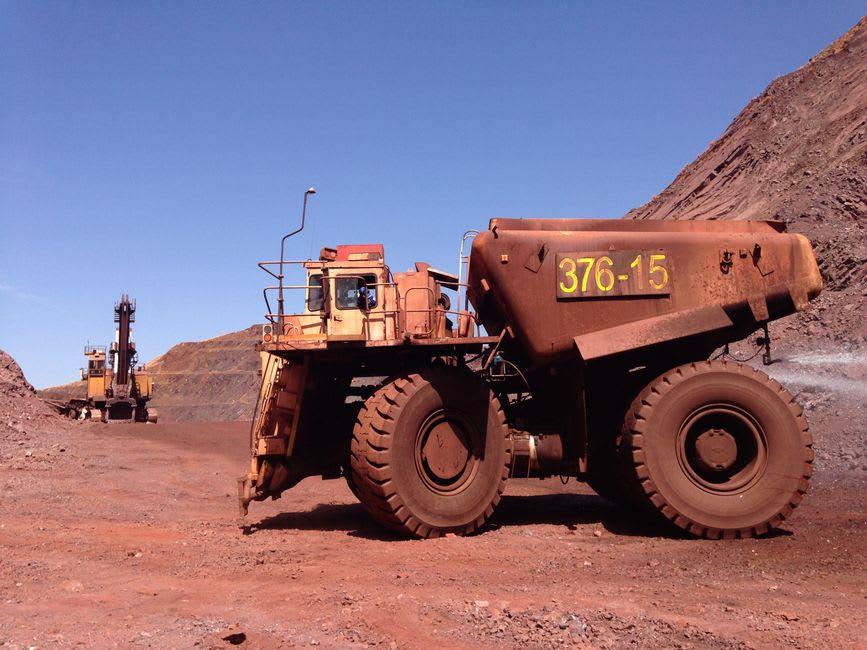
We camped near the base for two nights, close enough to the rail line that we heard the Iron Ore Train before we saw it — that long, low rumble carrying ore from Zouerat down to Nouadhibou, sometimes stretching two kilometers of wagons across the horizon. There’s something surreal about watching one of the longest trains in the world crawl past a monolith that’s been standing since long before humans had rail, or writing, or much of anything. Our guide, a young Mauritanian named Sidi who grew up near Zouerat, told us the rock is Precambrian granite, shaped by an almost incomprehensible stretch of erosion — millions of years of wind and sand sanding it down to this smooth, domed shape.
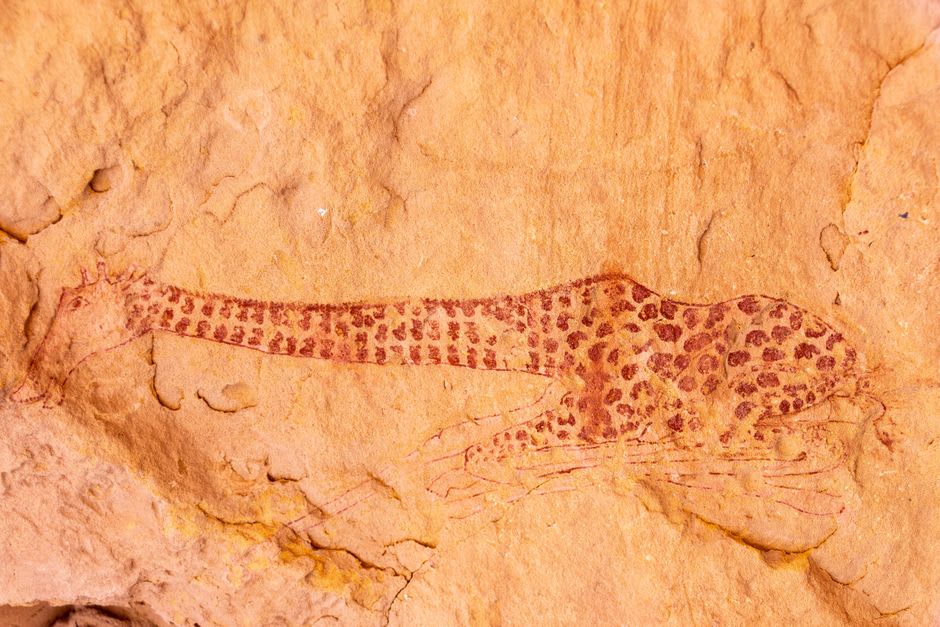
What stayed with me longer than the scale, honestly, was the folklore. Ben Aicha, the smaller monolith standing about four kilometers away, is said in local stories to be Ben Amera’s wife — separated lovers turned to stone, watching each other across the desert forever. Sidi told it to us at night, by the fire, and I remember looking between the two silhouettes against the stars and thinking how much more human that story made the landscape feel. We hiked partway up Ben Amera the next morning before the heat became unbearable, and near its base found faint petroglyphs etched into the rock — animals, mostly, worn almost smooth by time, left by people who camped in this same spot thousands of years before us.
Lia and I didn’t say much on the drive back to Nouadhibou. Some places you want to talk through, and some places just ask for quiet. Ben Amera is the second kind.
When to go: Aim for November through February — the coolest window for Saharan daytime temperatures, when you can actually hike around the base without the heat flattening you by mid-morning.
Keep exploring
More from Mauritania
 mauritania
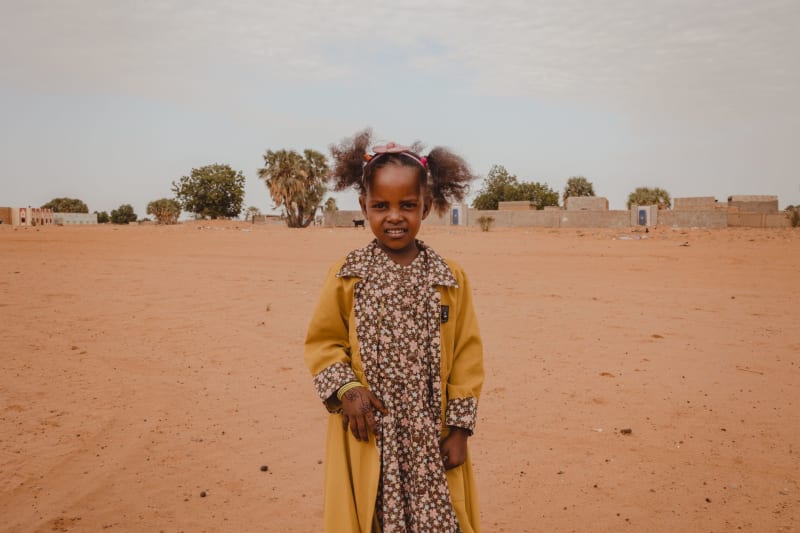
 Chinguetti
Islam's seventh holiest city is slowly disappearing into the dunes — and that impermanence is exactly what makes it sacred.
Explore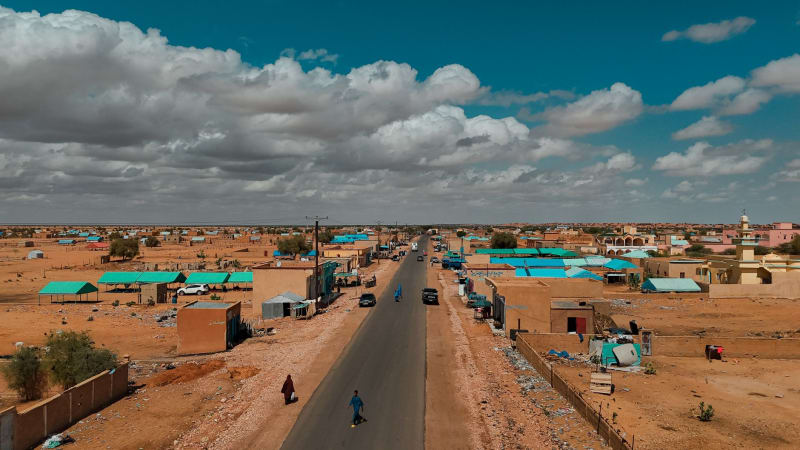 mauritania
 Néma
The eastern end of the Route de l'Espoir and gateway to the Sahel, where Mauritania shades into a different continent and the market brings the whole region together.
Explore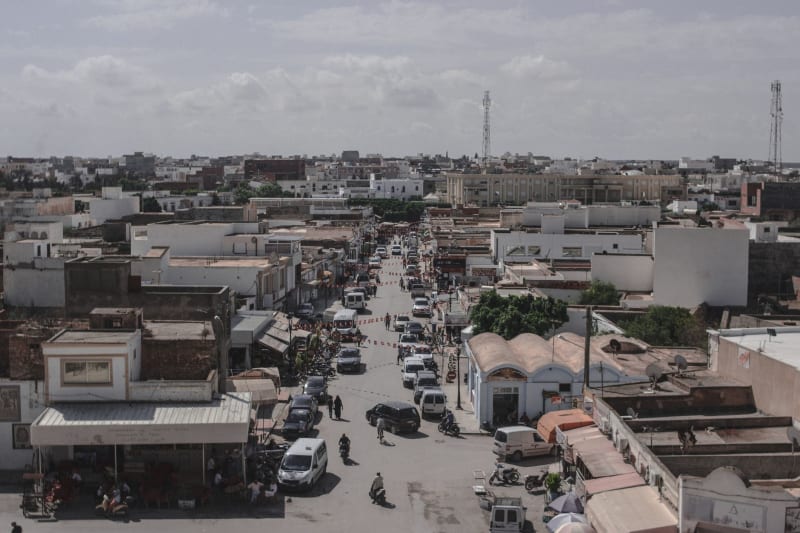 mauritania
 Nouadhibou
A port city at the edge of a peninsula where one of the world's largest ship graveyards rusts into the Atlantic and the fishing industry runs on a scale that makes the ocean feel temporary.
Explore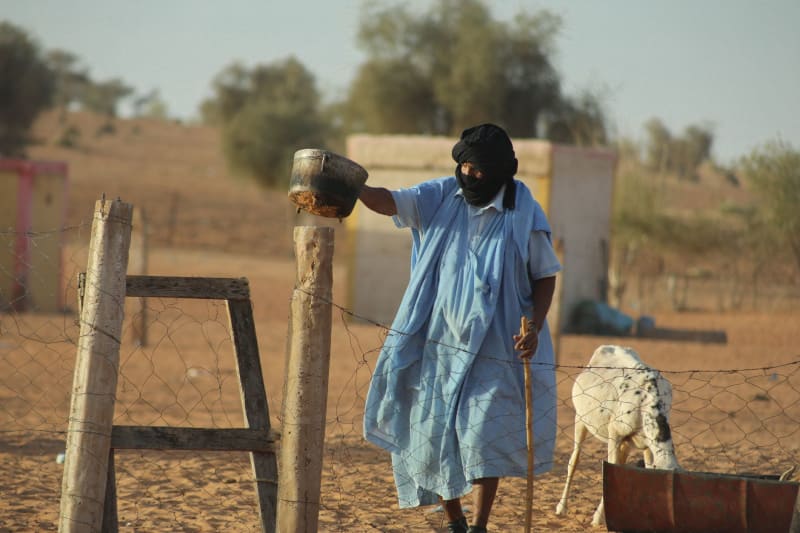 mauritania
 Nouakchott
A capital city built on sand and sheer stubbornness, where the Atlantic fish market at dawn is worth the twelve-hour flight on its own.
Explore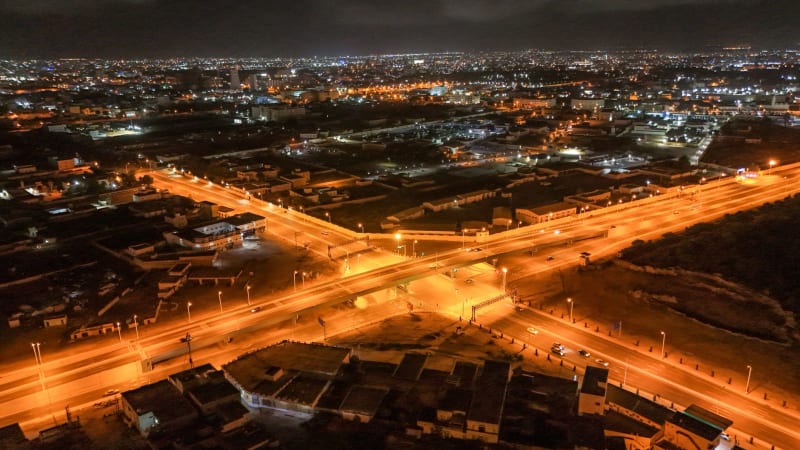 mauritania
 Ouadane
A UNESCO-listed ghost city on the edge of the Sahara that was trading manuscripts and gold when most of Europe was still figuring out feudalism.
Explore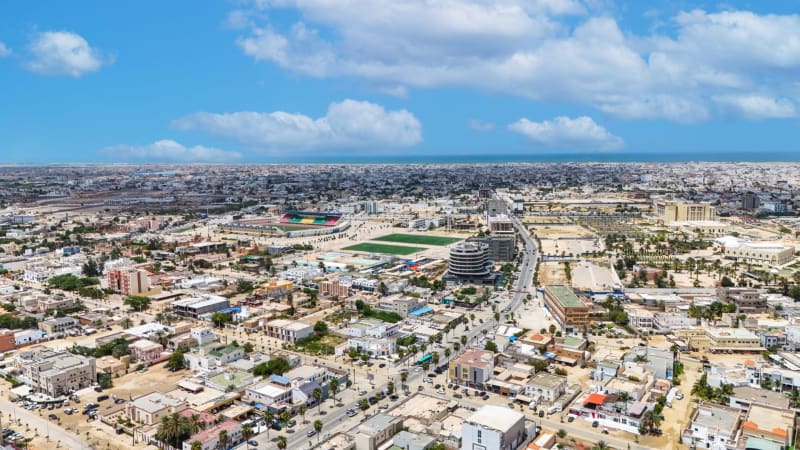 mauritania
 Oualata
A UNESCO ancient city where women paint the walls of every house in elaborate geometric designs, making the entire town feel like a living manuscript.
Explore