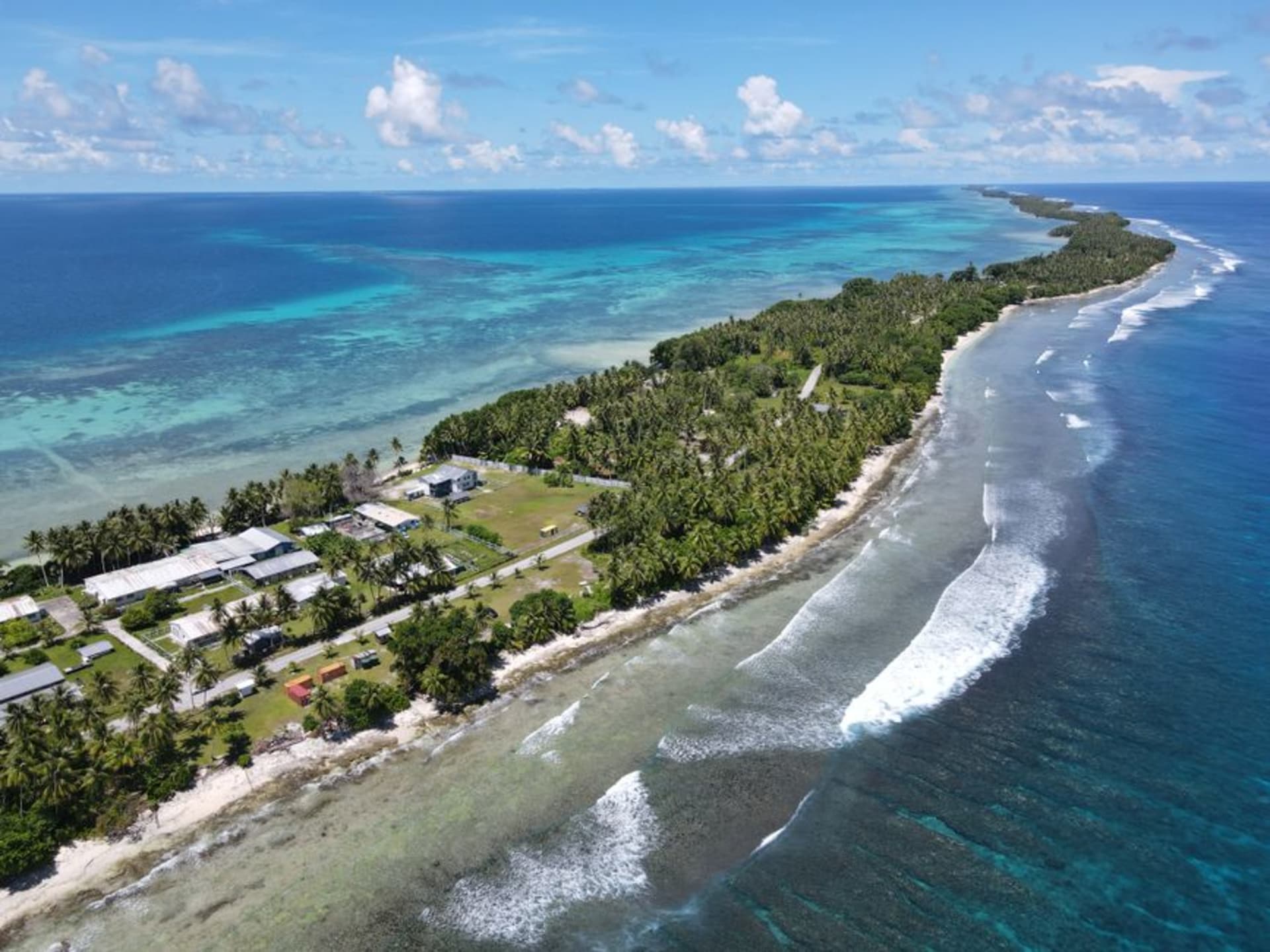
Likiep Atoll
"The house was built to outlast empires, and it has — it just outlasted the empire that built it."
A copra plantation gone quiet, where a nineteenth-century German trading dynasty's coral-block mansion still stands under the coconut palms.
Getting to Likiep involves either a small plane that touches down on a runway carved between two rows of coconut trees, or a slow supply ship out of Majuro that takes the better part of a day and a night. I flew, and I still felt like I had arrived somewhere by accident rather than by design — the kind of place that exists slightly outside the logic of the rest of the country. Likiep was, for most of a century, a private atoll. In the 1870s a German trader named Adolph Capelle and a Marshallese-Portuguese partner named Jose deBrum bought the entire atoll outright from the paramount chiefs to run a copra plantation, and their descendants still live there today, more than a century and several political eras later.
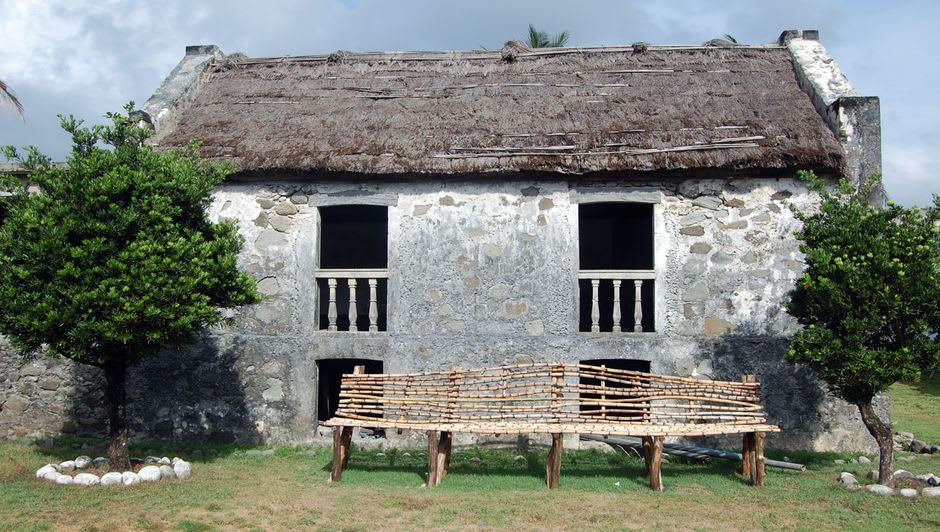
The Capelle house itself is the reason people who know about Likiep make the trip. It’s a two-story structure built from coral blocks cut and hauled by hand, with a wraparound veranda and a shingled roof that looks improbably New England for a spot four degrees north of the equator. A woman named Adelina, a descendant of the original family, walked me through the ground floor — sea chests still holding ledgers written in German copperplate, a pump organ nobody has tuned in decades, black-and-white photographs of trading schooners loading copra sacks onto lighters. She talked about her ancestors the way you’d talk about difficult relatives: with clear-eyed honesty about what the plantation economy extracted from the island, alongside real affection for the house itself.
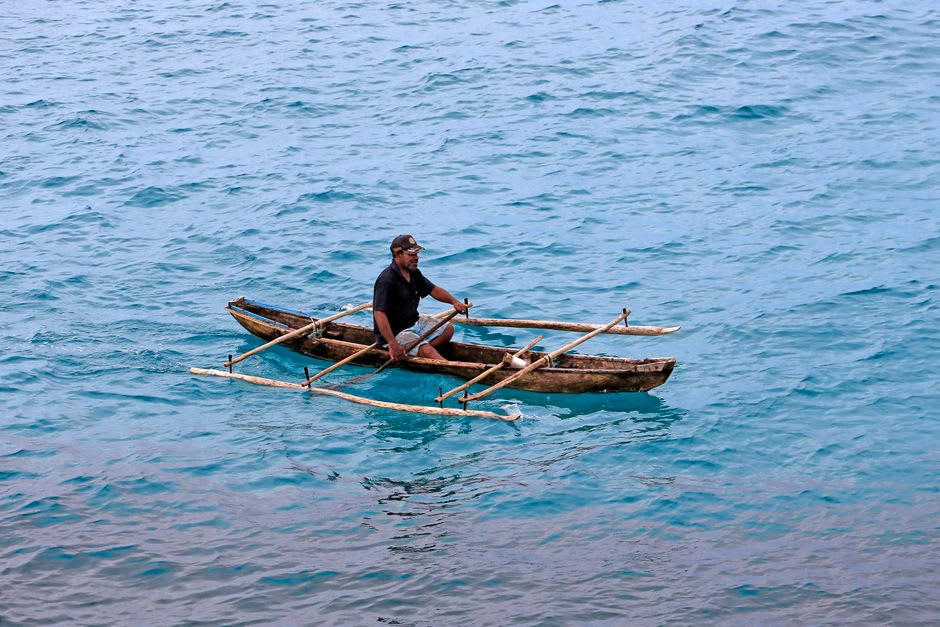
Likiep’s other claim, quieter but to me more moving, is its canoe-building tradition. The atoll has produced some of the most respected canoe builders in the Marshalls for generations, men who can still shape a walap — the large ocean-going outrigger canoe — using an adze and a working knowledge of wood grain that took decades to acquire. I watched a builder named Jortoken true a hull by eye, running his palm along the curve and shaving off shavings so thin they curled like paper, and he told me, almost apologetically, that his sons had gone to Majuro for work and might not come back to learn it. The plantation-era church on the island, its steeple visible from the lagoon, still holds Sunday services in Marshallese hymn that predate the building itself.
When to go: Flights from Majuro run a few times a week and should be booked well ahead since seats are limited; the dry season from December to April makes for the calmest crossing if you go by ship. There’s no hotel — arrange a homestay through the Marshall Islands Visitors Authority before you go, and bring cash, since there is nowhere to spend it once you’re there but also nowhere to withdraw it.