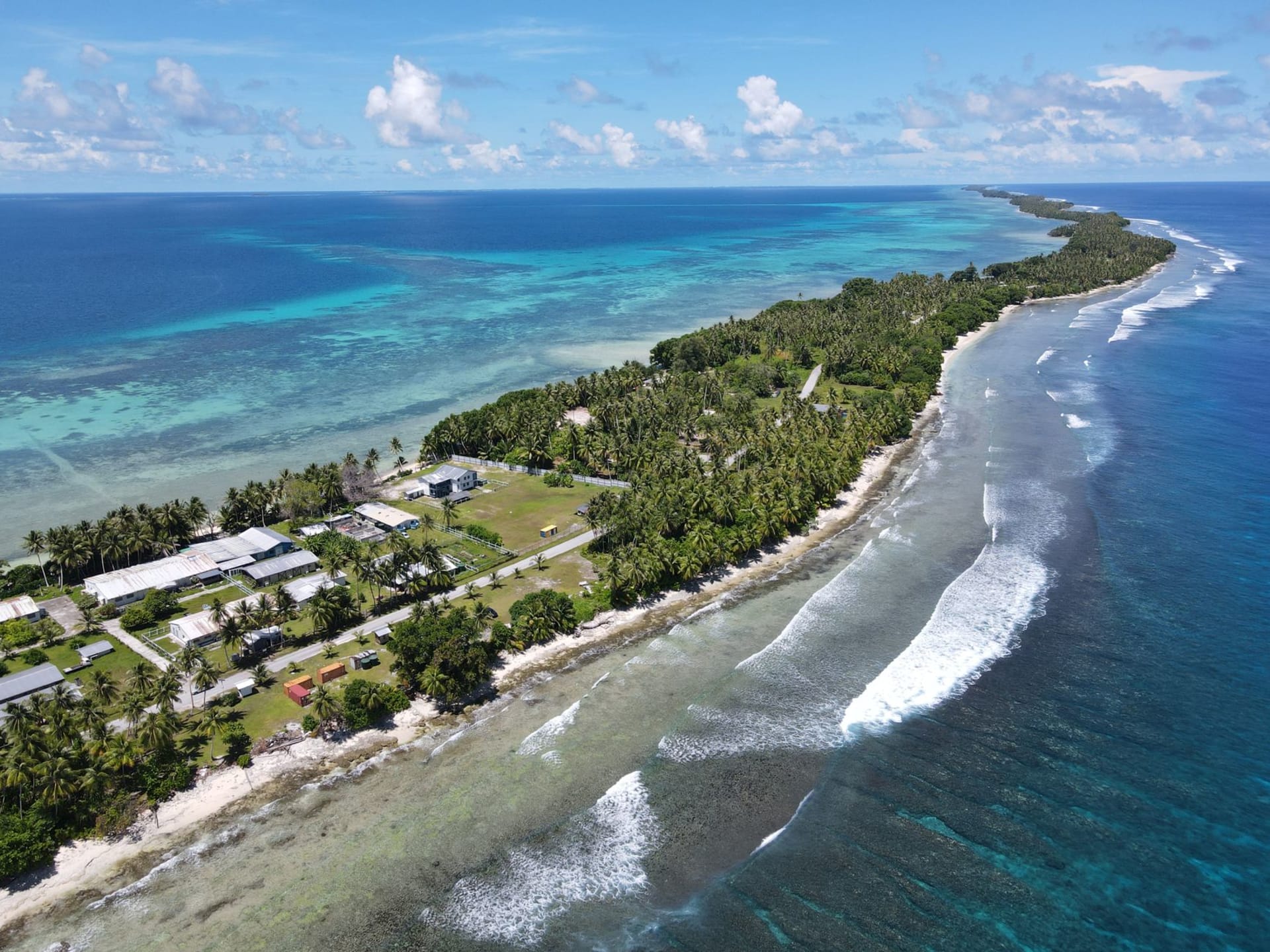
Jaluit Atoll
"Three empires tried to make something permanent here. The mangroves are winning."
Jaluit is where the Marshall Islands’ history accumulates most visibly. Germany made this atoll its colonial administrative capital in 1885, building a trading headquarters and government offices on an island barely 200 meters wide. Then Japan took the Marshalls in 1914 and expanded the infrastructure for their own purposes, eventually fortifying Jaluit as a major South Pacific naval base by the late 1930s. The Americans bombed it continuously from 1943 onward. What remains is a layering of ruins — German-era copra warehouses half-consumed by vegetation, Japanese concrete bunkers sitting in the shallows, a seaplane ramp leading from the jungle into the lagoon, going nowhere.
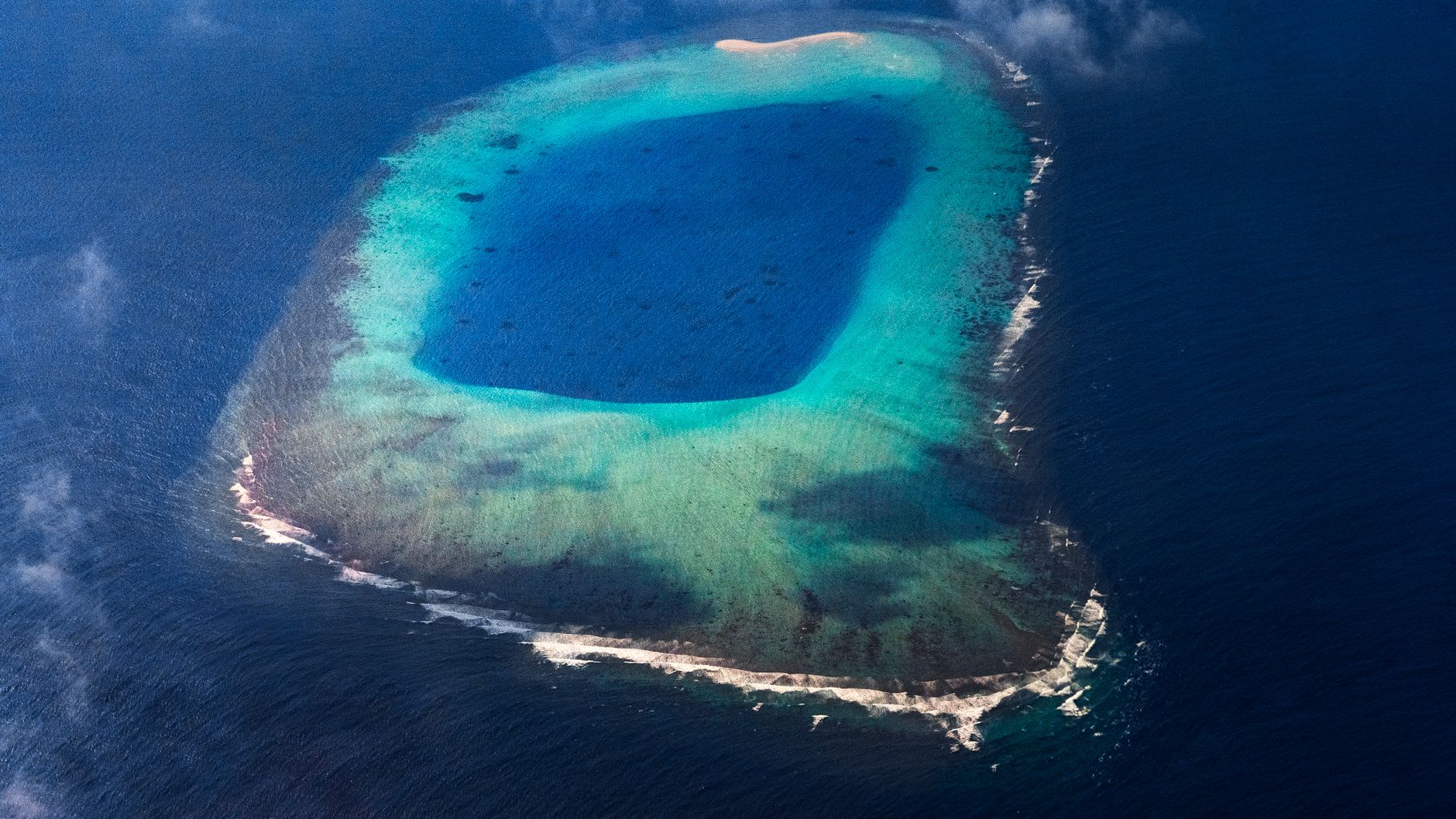
The flight from Majuro takes about forty minutes in a small prop plane, banking low over a lagoon that is one of the largest in the Marshalls — roughly 1,100 square kilometers of warm, shallow water enclosed by a necklace of islets. The main settlement, also called Jaluit, sits on the same narrow island the Germans chose for their administration, and the logic of their choice is immediately obvious: the lagoon is spectacular from here, protected and serene, a natural harbor that once sheltered entire fleets. Today it shelters outrigger canoes and a handful of small fishing vessels. A concrete dock from the Japanese period juts into the water, its surface worn smooth by fifty years of feet and rain.
I spent half a morning walking the island end to end, which took under twenty minutes. The residents seemed mildly bemused by my interest in the ruins, the way you might feel about a tourist photographing your fence. The war infrastructure is simply there, part of the landscape like the coconut palms — something that happened, useful now only for keeping the pigs away from the vegetable gardens. A man named Jebro showed me a Japanese blockhouse whose interior walls bore a large hand-painted mural of Mount Fuji, almost entirely intact despite the humidity and decades of neglect. It was startling, that alpine image in a coral atoll, someone’s homesickness turned into art and then left.
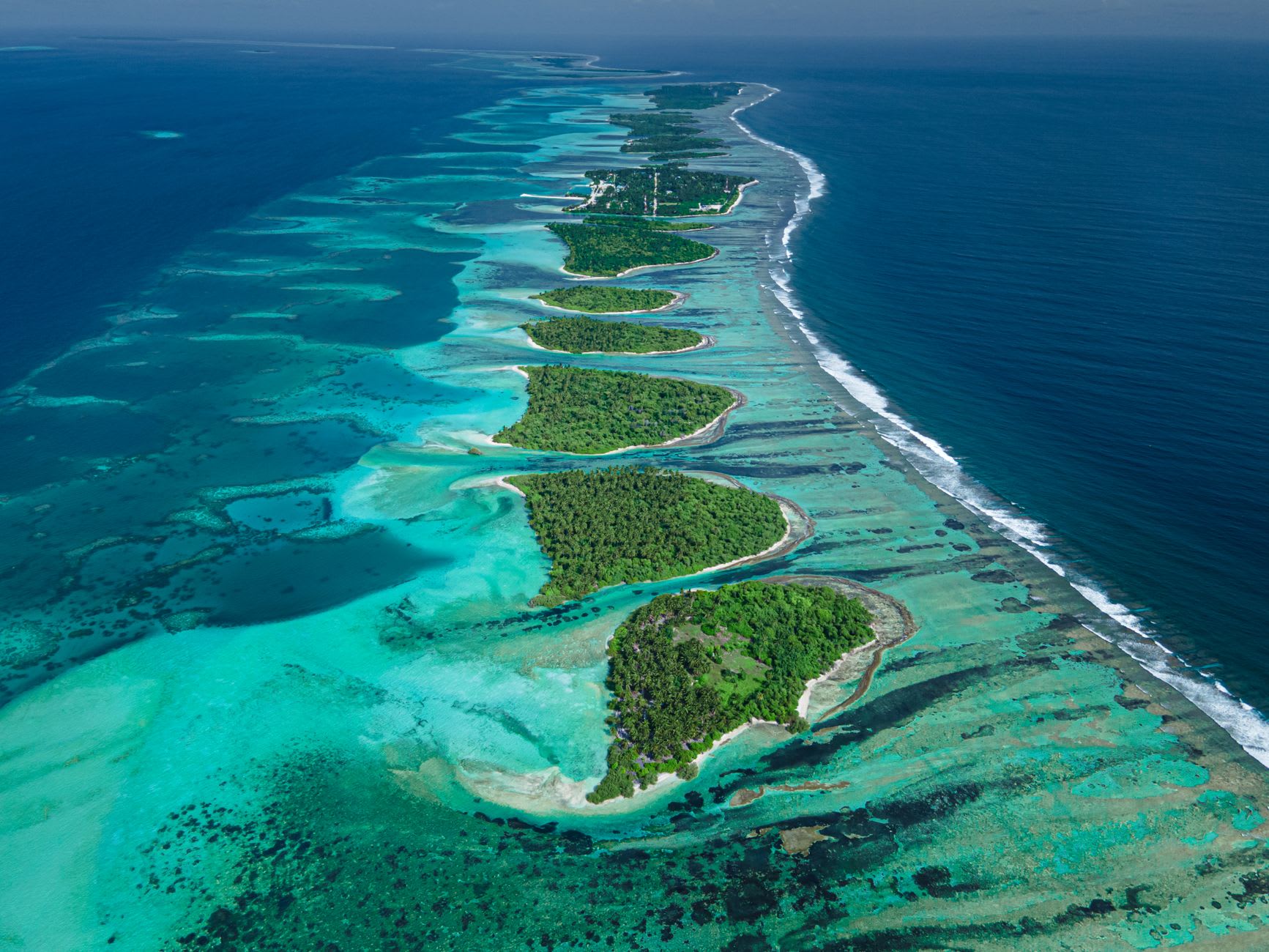
The lagoon diving is good and almost entirely unexplored commercially — visibility can reach 30 meters on calm days, and the outer reef passes hold strong currents that attract pelagics. I snorkeled the inner lagoon edge near the old seaplane ramp and found a forest of table coral and brain coral that seemed untouched, fish so unworried by human presence that they had to be actively negotiated around rather than scared away. There is a particular peace in being somewhere you have no itinerary for, no app can help you with, and no one else seems to be heading toward.
When to go: Jaluit is accessible by twice-weekly inter-island flight from Majuro, conditions permitting. December through March offers the most reliable weather. Accommodation is basic — guesthouses arranged through the community or the visitors authority. Bring everything you might need; the island’s one store stocks essentials but not much more.