Crossing to the Quieter Side
Fifteen minutes by small boat from Soure and the tourist infrastructure — such as it is on Marajó — drops away almost entirely. Salvaterra sits on the eastern shore of the strait between the two main municipalities, and while it technically offers the same access to beaches and buffalo-country, it feels like a different proposition. Fewer pousadas. Fewer other travelers. More time spent watching the tide change.
Lia and I made the crossing on a whim one afternoon, partly because we’d run out of things to do in Soure and partly because we could see Salvaterra from the waterfront and were curious what was over there. The answer: a town that goes to bed early, makes excellent fried fish, and doesn’t particularly need you to admire it.
Praia Grande
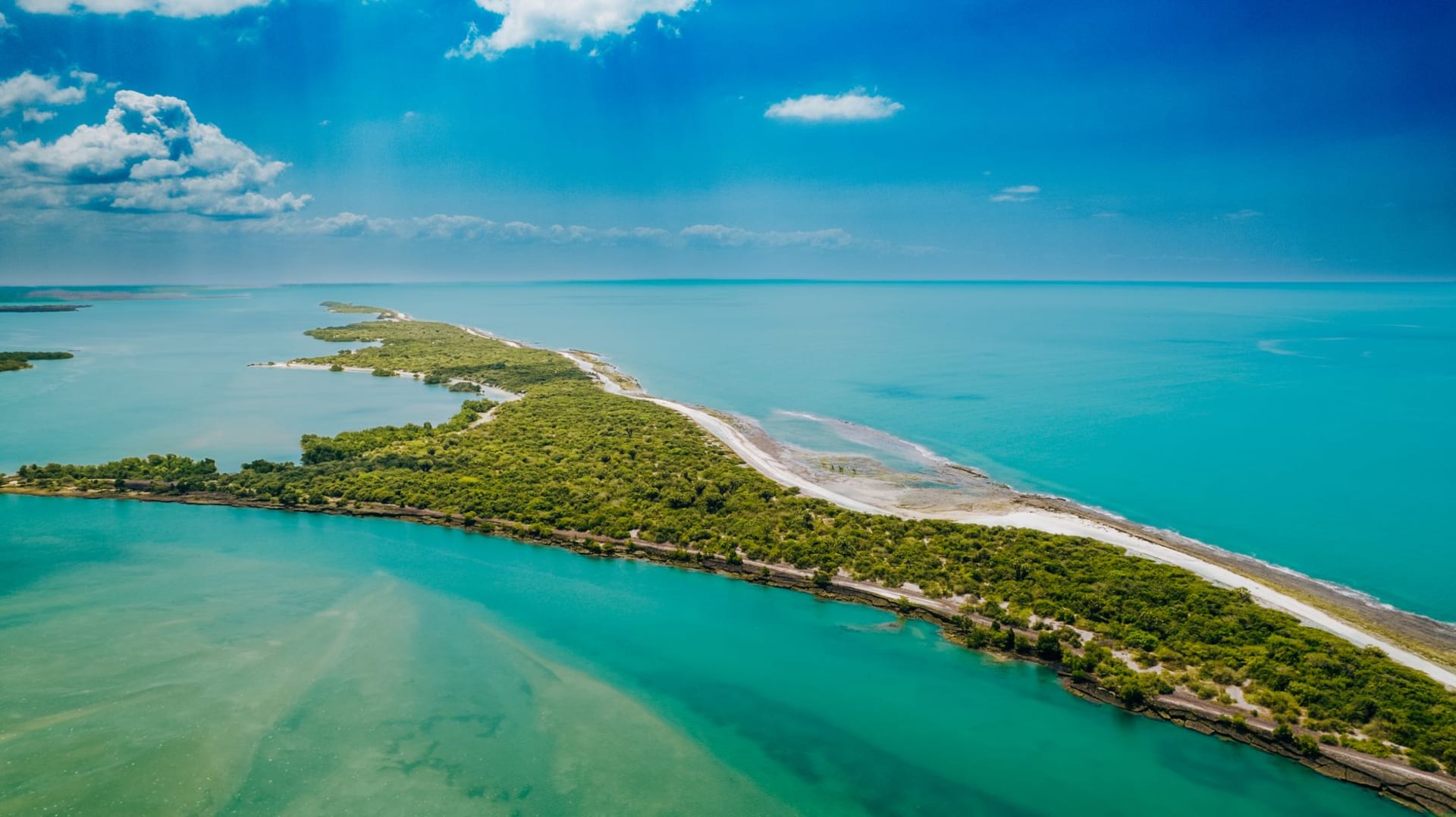
Salvaterra’s great draw is Praia Grande, a beach that stretches nearly four kilometers without a resort, a jet ski rental, or a hawker. The sand is the color of cinnamon and the water is murky with Amazon sediment — not the Caribbean blue that beach brochures promise — but that’s fine. You don’t come here for snorkeling. You come to walk a long distance with nobody in your way, to watch frigatebirds hang motionless in the wind off the estuary, and to feel the particular weight of a place that hasn’t tried to become anything.
I walked the full length at low tide and found three fishermen working nets at the far end. They’d been there since 4 a.m. and showed no interest in explaining that to me, which I respected.
The Town Center
Salvaterra’s square is smaller than Soure’s and anchored by a yellow church that looks like it was designed by someone who’d heard churches described but never seen one. I mean that affectionately — there’s a cheerful improvisation to the architecture. The restaurants that face the square serve cold beer and plates of buffalo heart soup that I wouldn’t have ordered if the woman running the place hadn’t steered me toward it. It tasted like a rich French pot-au-feu, which was unexpected and made me feel briefly homesick for Lyon.
A Place Without a Pitch
What Salvaterra doesn’t have is a story it’s trying to sell you. There’s no craft market, no guided tour operation waiting at the dock, no Instagram coordinates spray-painted on a rock. You arrive, you figure out where to put your bag, you go to the beach, you eat whatever’s on the blackboard. Lia read an entire novel in two days. I filled a notebook. We both agreed it was the best version of the Marajó trip.
The pousadas are simple — ceiling fans, mosquito nets, showers that run lukewarm if you’re lucky — but the owners are generous with information about tide tables and which beach section is calmer for swimming. That kind of knowledge is more useful than any luxury amenity.
When to go: July to October for dry-season beach access and the calmest tides. Salvaterra’s Praia Grande floods partially in the wet season and gets too turbulent for comfortable walking. A three-night minimum makes the crossing worthwhile — there’s more here than a day trip reveals.