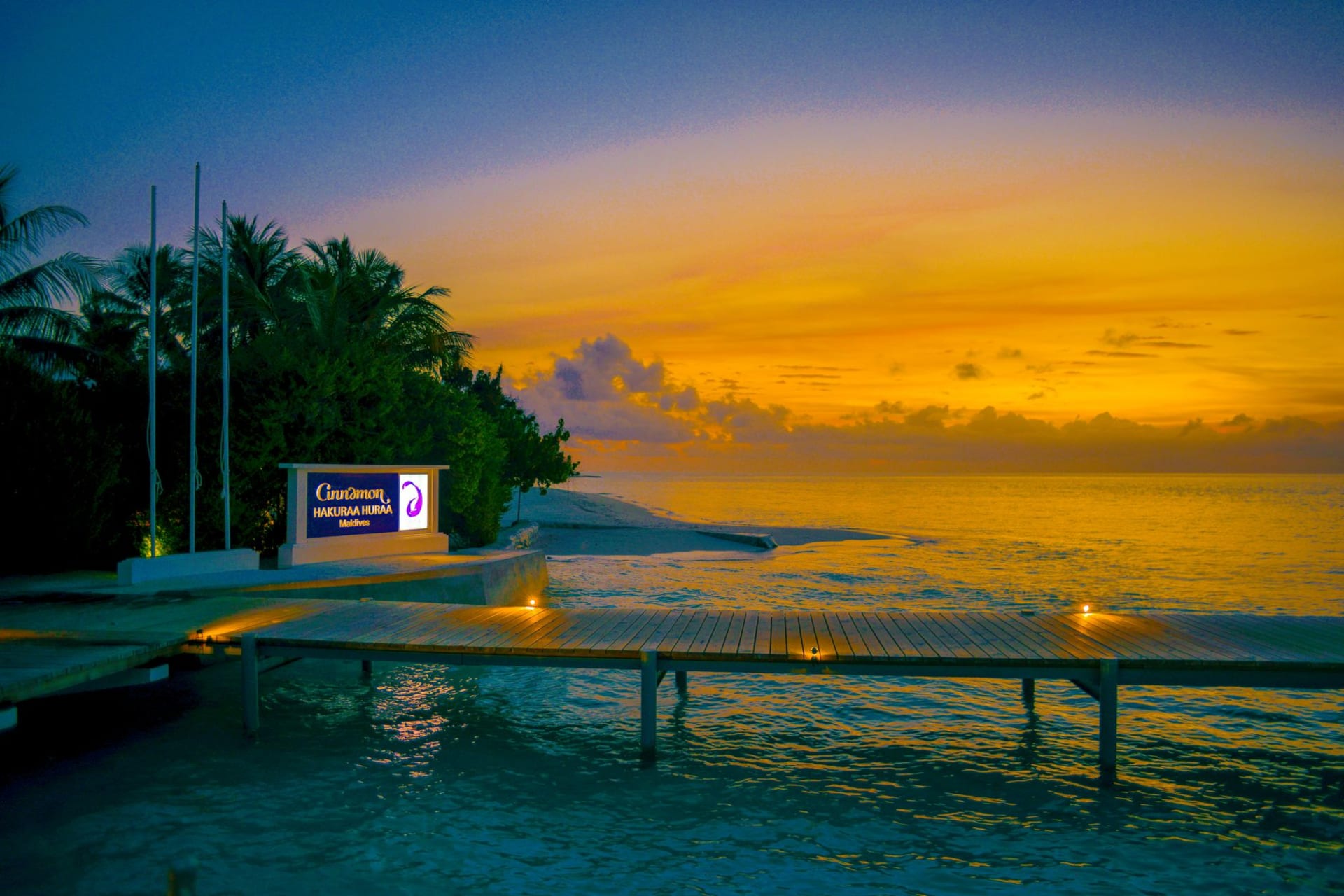
Hanifaru Bay
"Sixty manta rays in one bay — at some point the superlatives stop working and you just float there with your mouth open."
The dhoni engine cuts out a hundred metres from the entrance to the bay and suddenly it’s quiet in the way only the open ocean is quiet — a silence that isn’t actually silence but the absence of human noise, replaced by the close sound of water against the hull and, faintly, the movement of something large below the surface. The guide gestures — two fingers pointed down, then a slow sweeping motion with the arm, like a conductor beginning a very soft passage — and we slip into the water one by one.
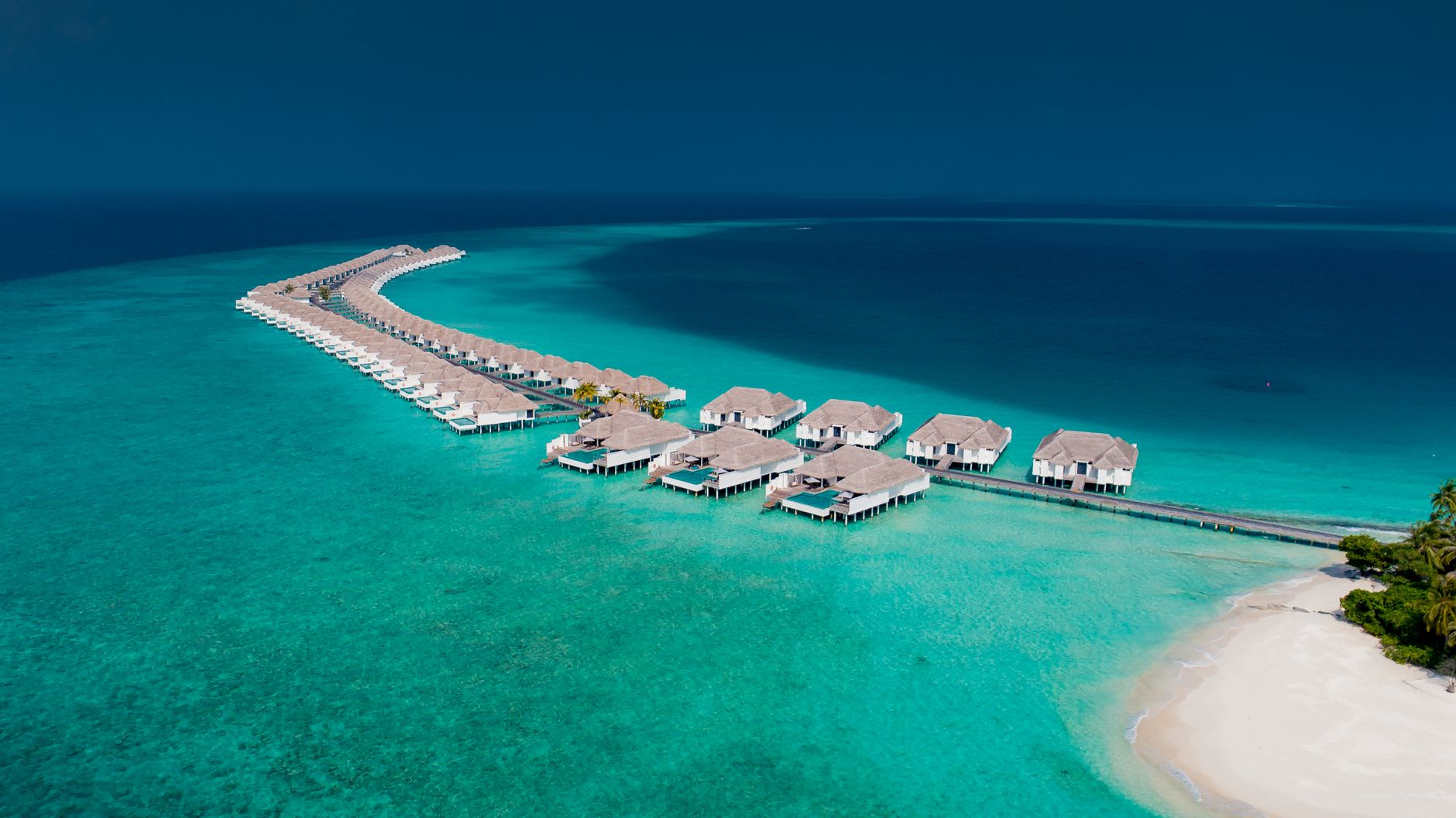
Hanifaru Bay is a UNESCO Marine Protected Area within Baa Atoll Biosphere Reserve, which means the access is controlled and the numbers are limited — no scuba diving inside the bay itself, a cap on the number of snorkelers at any given time, a set of rules that the guides enforce with a patience born from understanding exactly what they’re protecting. At peak season, between June and November, the channel configuration at Hanifaru funnels plankton-rich currents into the bay in a way that triggers what marine biologists call a cyclone feeding event: manta rays, sometimes forty or fifty or more at once, spiralling in vertical columns with their cephalic fins unfurled, mouths open, banking and turning in the current in a formation that looks choreographed but is simply the geometry of the most efficient way to filter water.
I counted thirty-one in my first minute in the water, then stopped counting because the number kept changing. They are not small — the wingspan of an oceanic manta ray can reach seven metres — and they move with an unhurried confidence that communicates clearly that you are not a concern to them. One passed so close to my mask that I could see the texture of its skin, a pale grey with the scattered spots on its underbelly that researchers use to identify individuals. It turned one eye toward me as it banked and I had the vivid impression of being briefly assessed and found uninteresting, which was the correct conclusion.
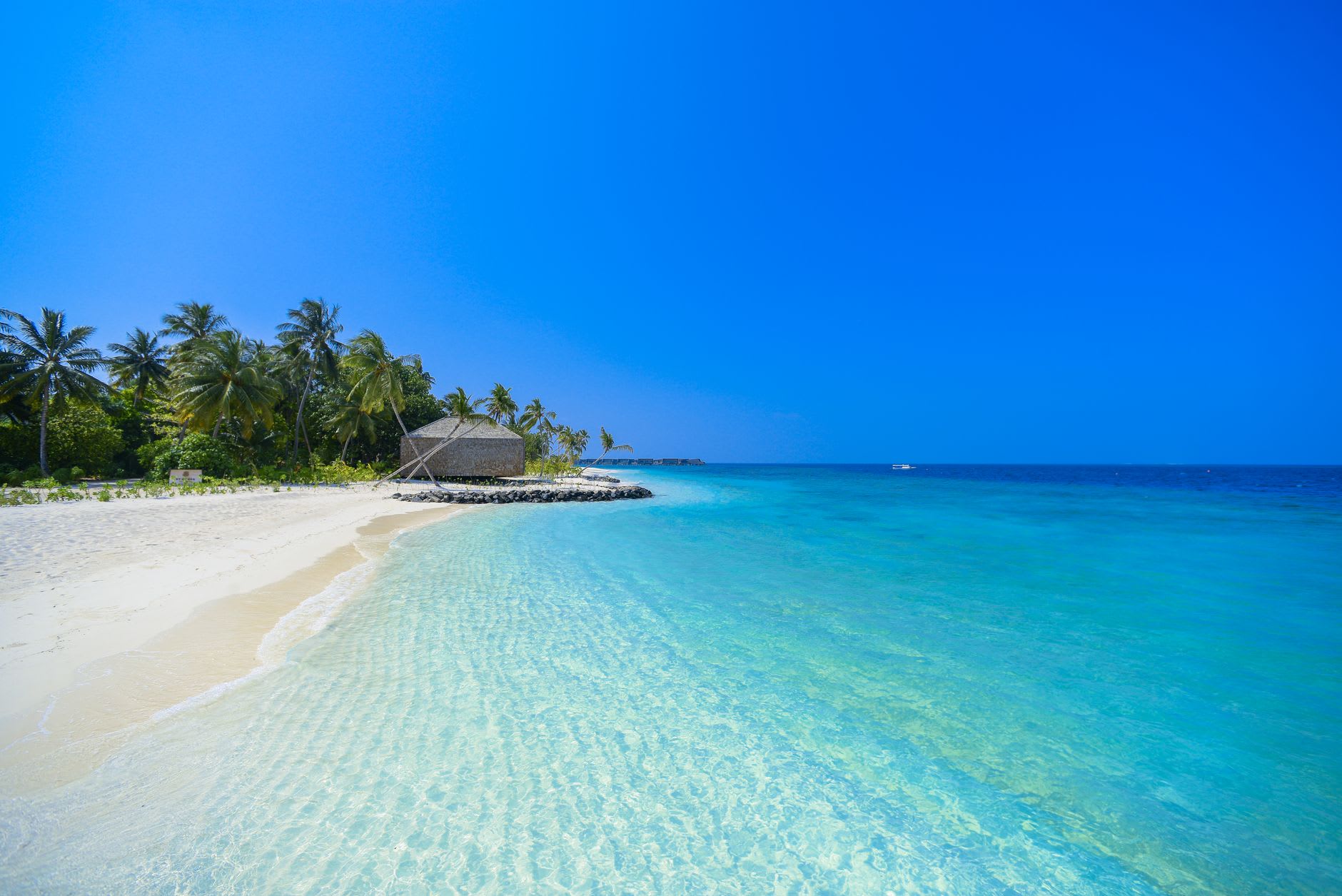
Baa Atoll itself is reached by seaplane from Malé — a forty-minute flight over open ocean that gives you, if you’re lucky with the angle, a view of the reef system from above that contextualises the whole place. The atoll is one of the least developed in the Maldives in terms of infrastructure outside the resorts, which is both a conservation achievement and a logistical reality: you will need to be either staying at one of the luxury properties or booking a day trip from a liveaboard or a nearby guesthouse island. The management zone around Hanifaru Bay limits access strictly, and the organisations that oversee it are serious about enforcement.
The whale sharks also appear here, moving through the bay with the same slow indifference to human presence as the mantas. I didn’t see one on my visit, which is one of the things I carry from Hanifaru: the understanding that the spectacle you witness is a function of timing and tides and plankton blooms and the inherent unpredictability of wild marine life doing wild marine things. The day I went, the mantas were extraordinary. What the whale sharks would have added I can only imagine.
When to go: June through November is the peak feeding season, driven by the southwest monsoon currents delivering plankton into the bay. August and September offer the largest aggregations. December through May the mantas disperse more widely across the atoll but are still present. Access is by guided tour only — day trips can be arranged from the main guesthouse islands in Baa Atoll.