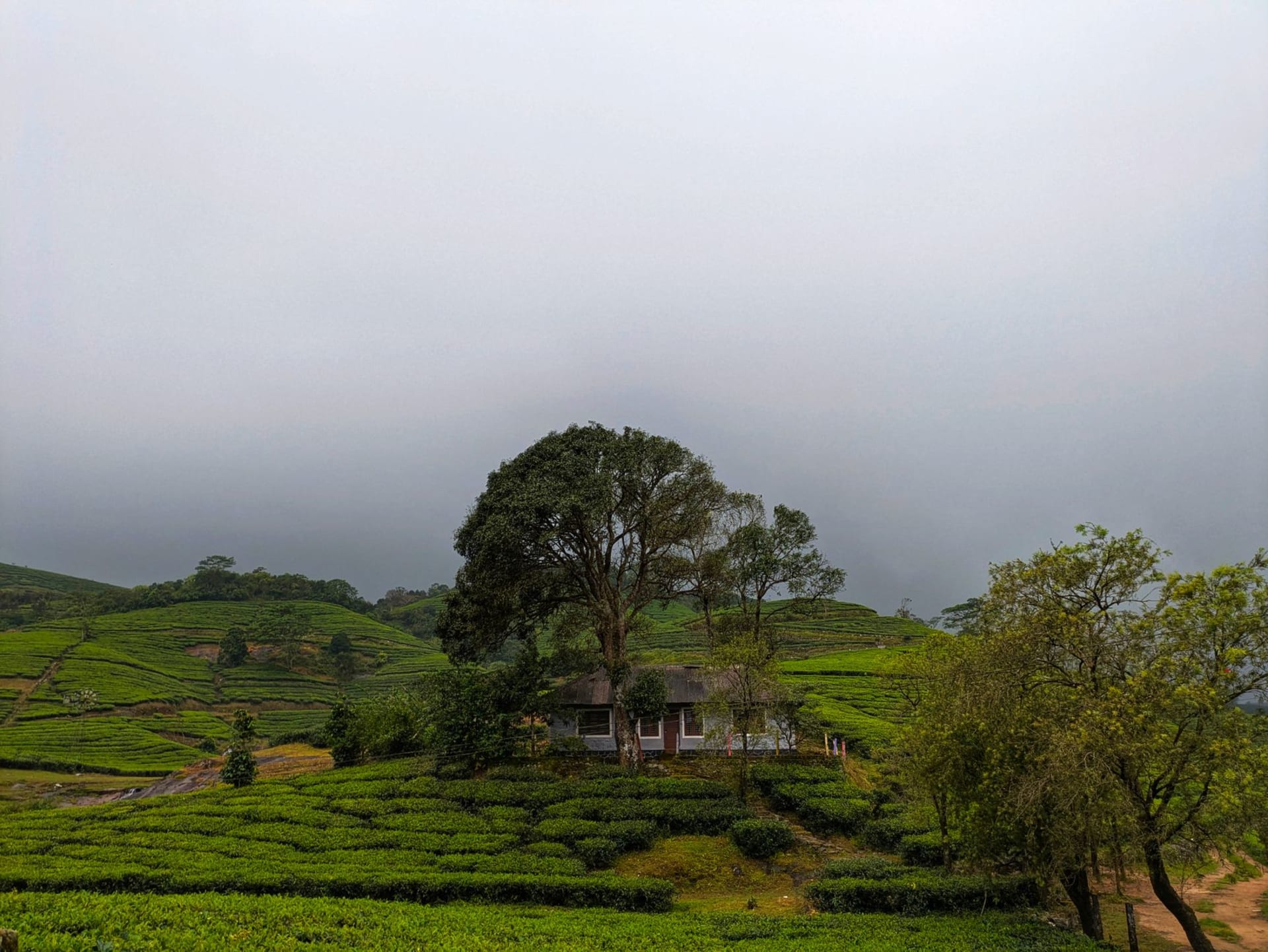
Thyolo Tea Estates
"The tea smells completely different here, growing. Not like tea at all. Like something green and alive that hasn't decided what it is yet."
An ocean of emerald tea stretching across the hills of southern Malawi, where the air smells of fresh leaf and the colonial guesthouses still serve afternoon tea.

I came to Thyolo from Blantyre on a Sunday morning, when the estate roads were quiet and a thin mist was burning off the hilltops. The hills start almost immediately south of Blantyre — the city drops away and within twenty minutes you’re driving through green so saturated it feels artificial, the tea bushes so precisely spaced and clipped they read as a pattern rather than a landscape. Then the pattern goes on for twenty kilometers and the repetition becomes something else, becomes atmosphere, becomes the Thyolo District.
The estates here have been producing tea since the early twentieth century, when Scottish missionaries and colonial planters discovered that the altitude, rainfall, and red loam soil of the Thyolo Escarpment were ideal for Camellia sinensis. The names on the gates — Satemwa, Makwasa, Lauderdale — sound like cricket grounds, which is not entirely accidental. The colonial infrastructure has faded into something more interesting than nostalgia: the estate guesthouses now operate as small lodges, the old planter bungalows face out over seas of tea, and the afternoon tea service, served on verandas to whoever turns up, has outlasted the empire that invented it.

I stayed at a guesthouse on the Satemwa estate, in a room where the window framed nothing but green — tea below, hills beyond, and above the hills the beginning of the Mulanje Massif’s granite peaks. In the mornings I walked the estate paths while the pluckers worked, their fingers moving through the top two leaves and a bud with a speed that made my own hands look clumsy. The estate manager, a man named Tobias who had worked Satemwa for thirty years, walked part of the path with me and explained that the smell of fresh-picked tea — that sharp, vegetal, almost citrus scent — bears no relation to the dried and processed leaf you brew in a kitchen, and that this is why people who know tea prefer to visit the source. He said it with the confidence of someone who has settled a debate nobody else in the room thought was having.
Thyolo town itself is unremarkable in the way of many Malawian market towns — a main street, a market, a cluster of phone shops, and the particular energy of a place that exists primarily to serve the estates and the people who work them. But the drive to the Satemwa factory, where the tea goes through withering, rolling, oxidation, and drying in a long steel building that smells overwhelmingly of what it processes, was one of those industrial experiences that rearranges your relationship to a common object. I have not made tea the same way since.
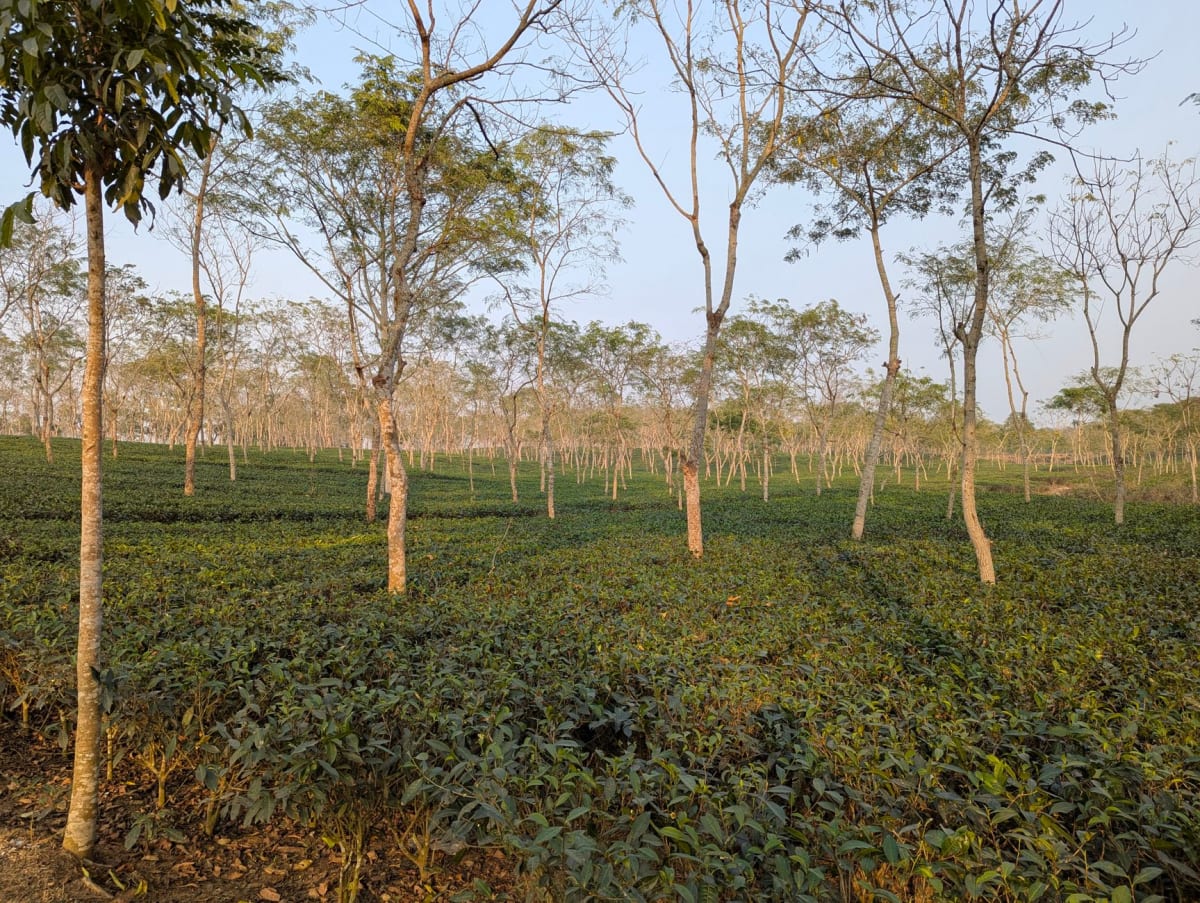
The Thyolo Forest Reserve, a patch of Afromontane forest that survived the planting because it sits too steeply, holds hornbills, sunbirds, and vervet monkeys. I walked a path into it on my last afternoon that the estate manager called “the forest walk” but that was really just a gap in the tea where trees had been allowed to remain. It felt like finding a sentence in a language other than English inside a very long English book.
When to go: April through August, when the tea is growing actively and the estate is at full production. The factory operates five days a week and tours are usually arranged on the spot. The Thyolo hills are warm year-round but heavy rains from November to March can make estate tracks difficult and the Mulanje views disappear under cloud. Ask about the area’s macadamia harvest in June — Malawi produces some of the world’s best, and the estates sell them directly.
Keep exploring
More from Malawi
 malawi
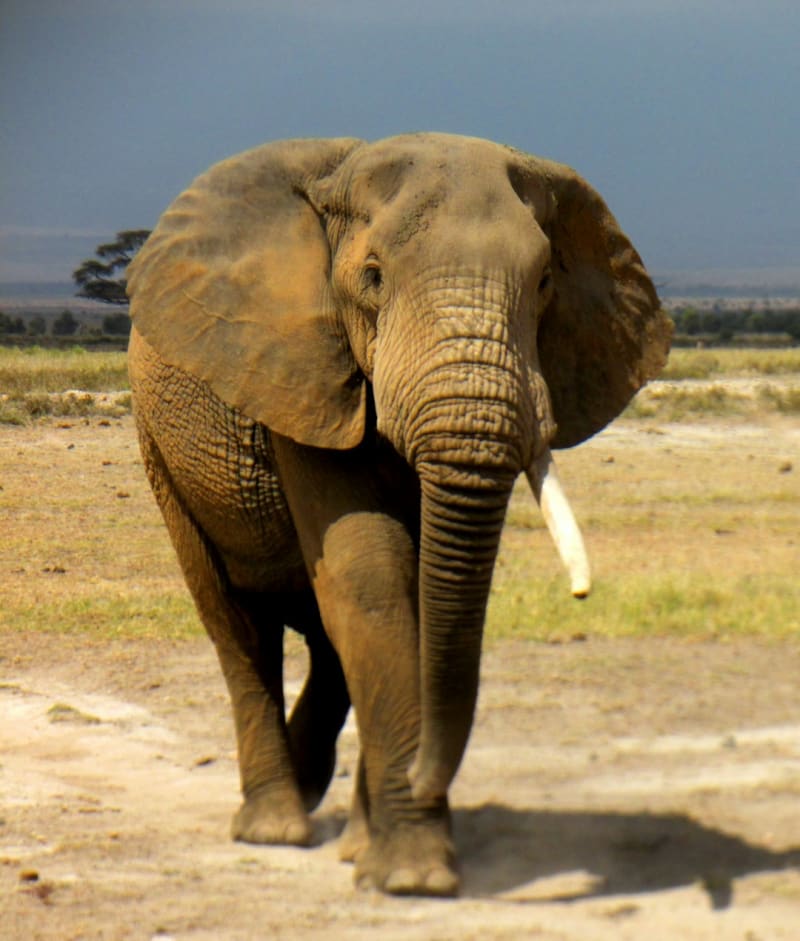
 Vwaza Marsh Wildlife Reserve
A little-visited reserve near the Zambian border where elephant herds wade into Lake Kazuni at dusk, watched by almost no one.
Explore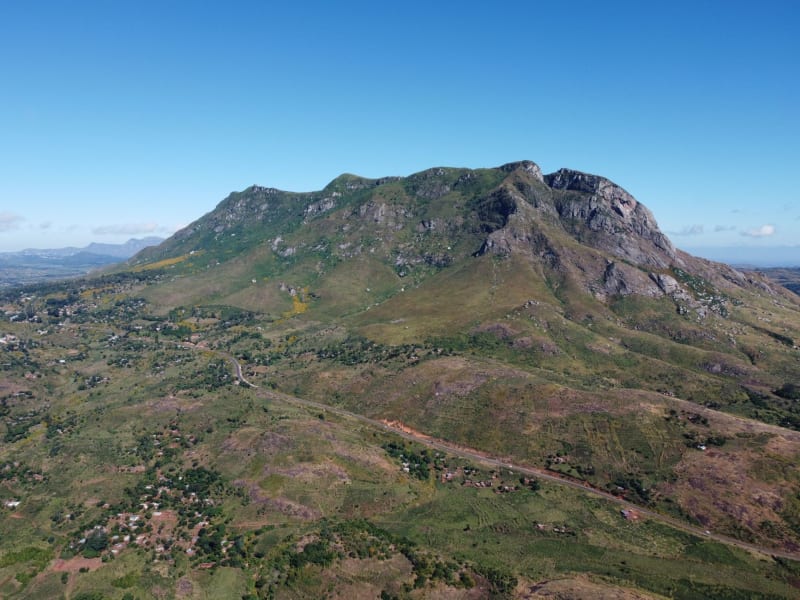 malawi
 Zomba Plateau
A forgotten highland above Malawi's old colonial capital where mist moves through pine forests and the silence is almost physical.
Explore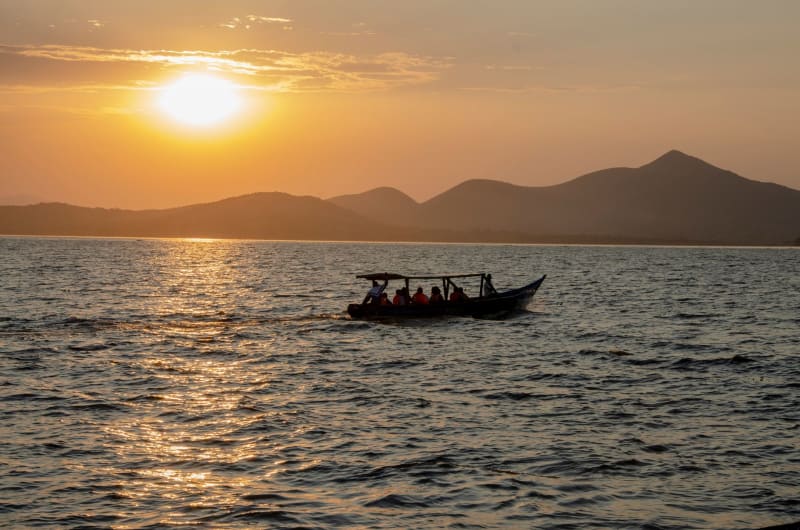 malawi
 Cape Maclear
A lakeshore village so unhurried it makes you question every schedule you've ever kept.
Explore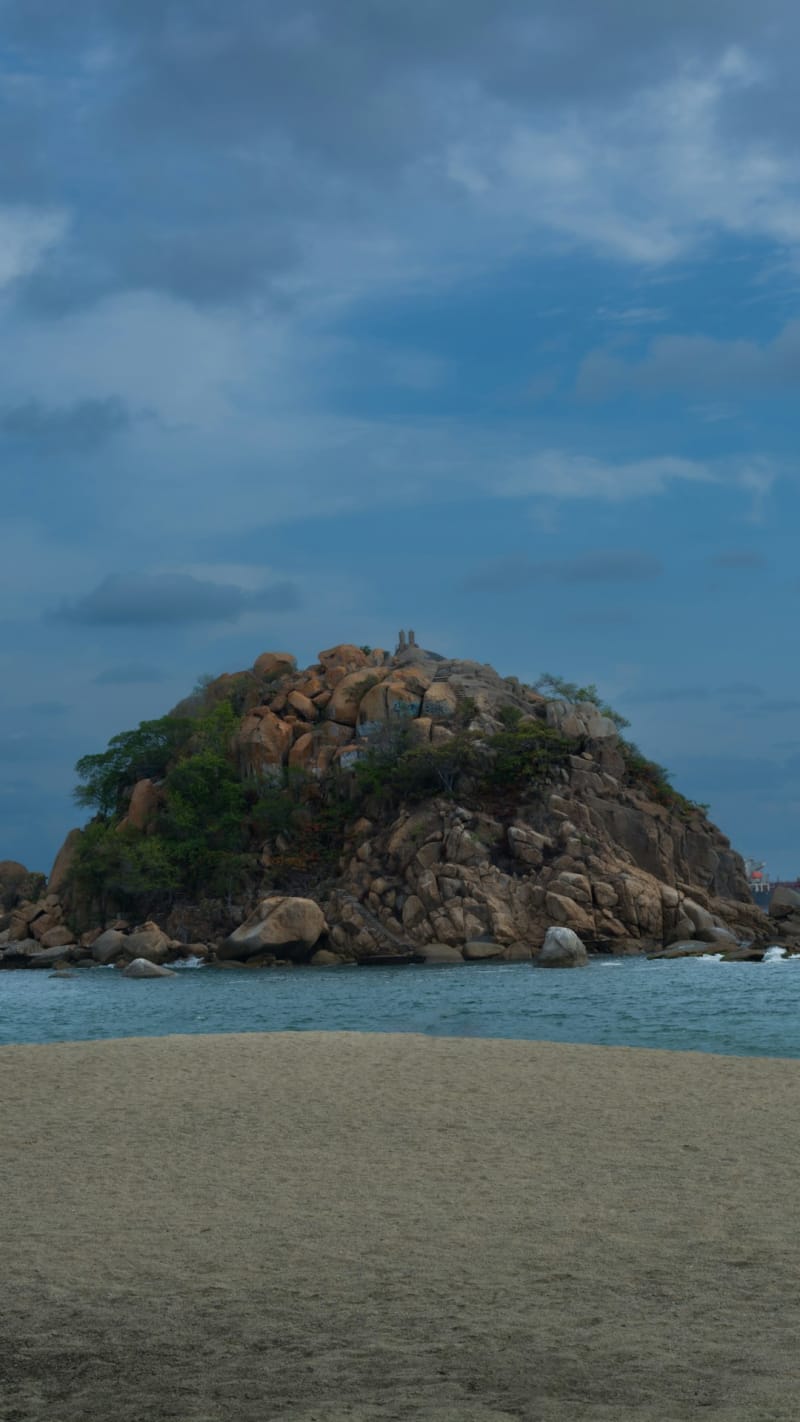 malawi
 Chintheche
A quiet stretch of Lake Malawi shoreline where mission ruins meet warm, shallow water and cichlids dart beneath the surface.
Explore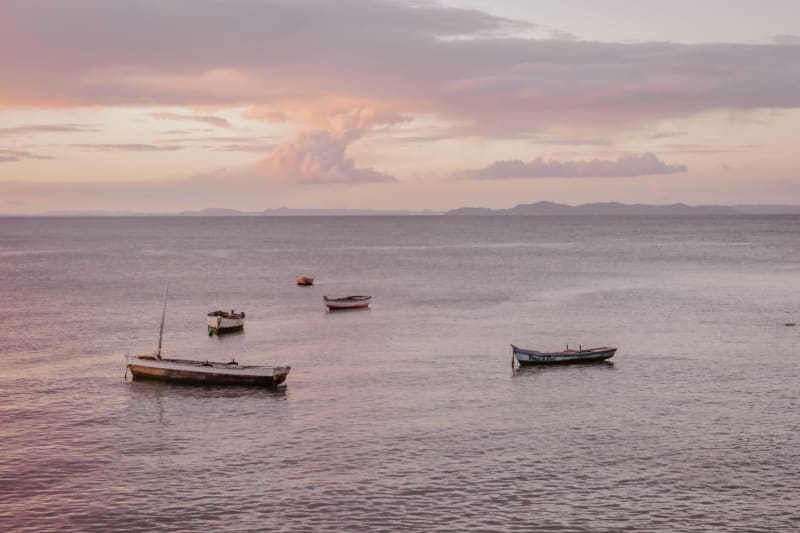 malawi
 Likoma Island
A remote Malawian island encircled by Mozambican waters, with an improbable Anglican cathedral at its heart and baobabs on every hill.
Explore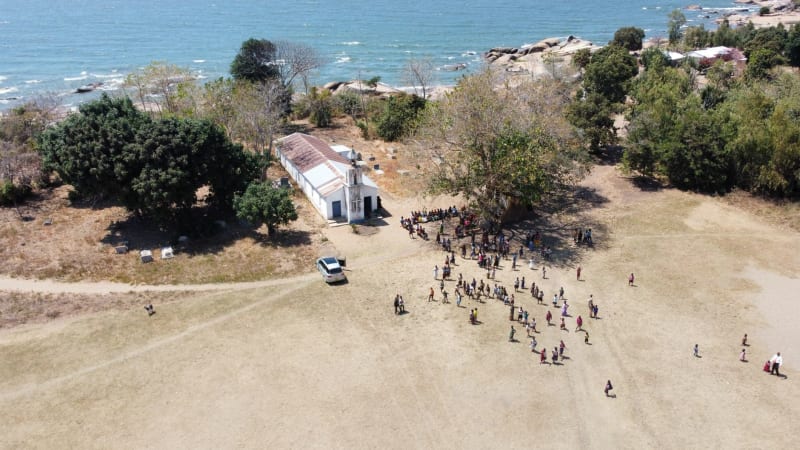 malawi
 Livingstonia
A Victorian mission station clinging to an escarpment edge with views over Lake Malawi that would embarrass most mountain lookouts.
Explore