
Portland
"Seventy thousand people, no pretension, and more good restaurants per block than anywhere I've eaten in the States."
I arrived in Portland on a gray afternoon in July and stood on Commercial Street for a long moment, doing nothing, trying to get the temperature of the place. There were lobster traps stacked outside a marine supply shop. A man in rubber bibs walked past carrying something I didn’t want to examine too closely. The harbor smelled the way harbors are supposed to smell — like salt and rust and fish and the particular diesel particular to boats — and across the water, a ferry was making its slow way toward the Casco Bay islands. I had expected something quaint. What I found was a city that actually worked, in the original sense: a place where people made things, moved things, caught things, and happened to eat extraordinarily well in between.
The Old Port is the center of gravity, a grid of nineteenth-century brick buildings packed tight along the waterfront. On weekend afternoons the streets fill with people who are genuinely, unpretentiously happy — not performing leisure, just having it. The restaurants are serious here in a way that feels organic rather than manufactured. Eventide Oyster Co. does something to their Maine oysters that I still don’t fully understand: they come out of the shell into a brown butter mignonette situation that makes you want to order six more before the first one has settled. Down the street, someone else is doing lobster rolls with tarragon mayo on brioche buns, and down from that someone else is pouring natural wines in a room with no more than twelve seats. It is the kind of density that cities spend decades trying to engineer and rarely achieve.
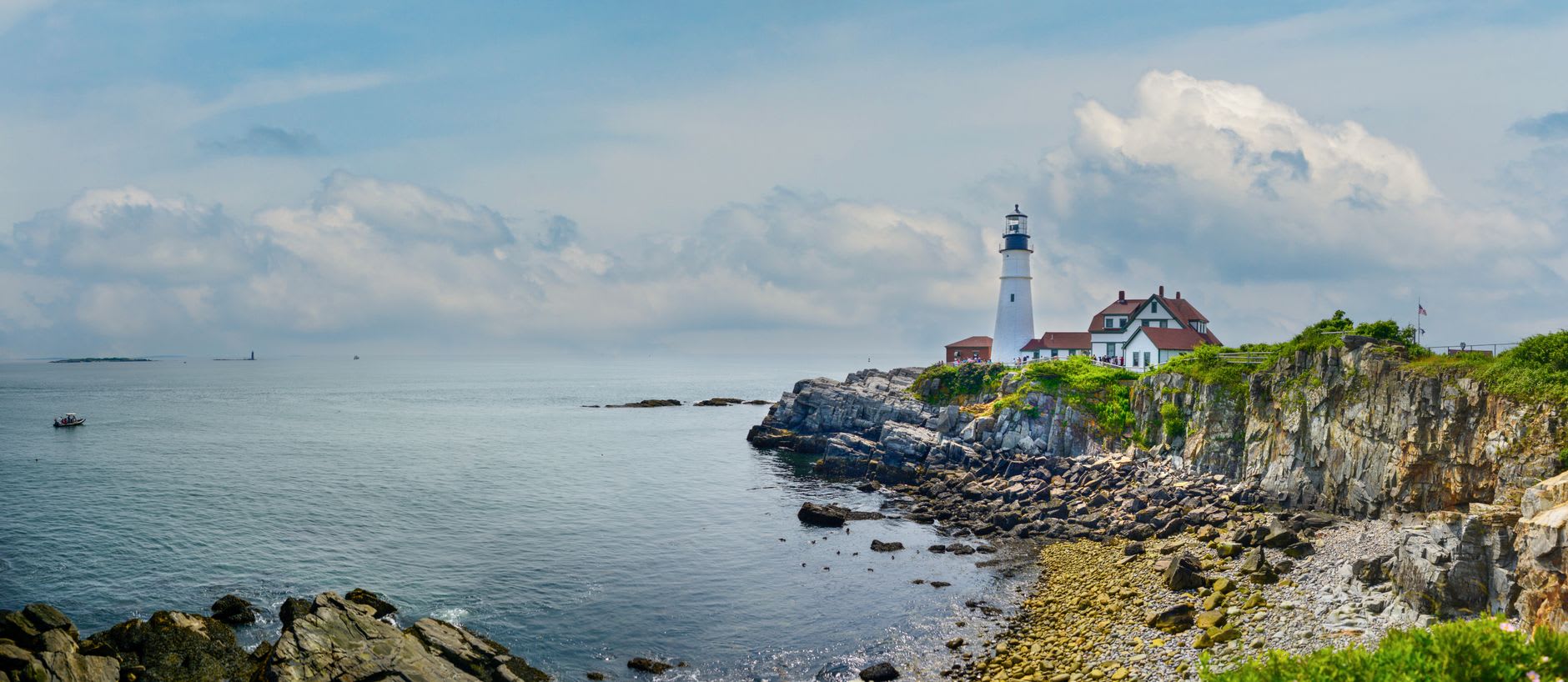
The Eastern Promenade is where Portland stops being a port and starts being something else entirely. The path follows the ridge above Casco Bay, past Victorian houses with wide porches and the kind of overgrown gardens that suggest serious gardeners who are, at the moment, away. Below, the bay spreads out toward the Calendar Islands — a loose scatter of small islands, some forested, some just a rock with a few trees, all of them softening the horizon in a way that makes you understand why this particular view has always been considered something worth protecting. On clear evenings the light goes amber and then coral and then a dim pink that seems to last longer than physics should allow. I sat on a bench up there for an hour one evening and watched a sailboat work its way home through the channel, and it felt like something from a painting, except warmer.
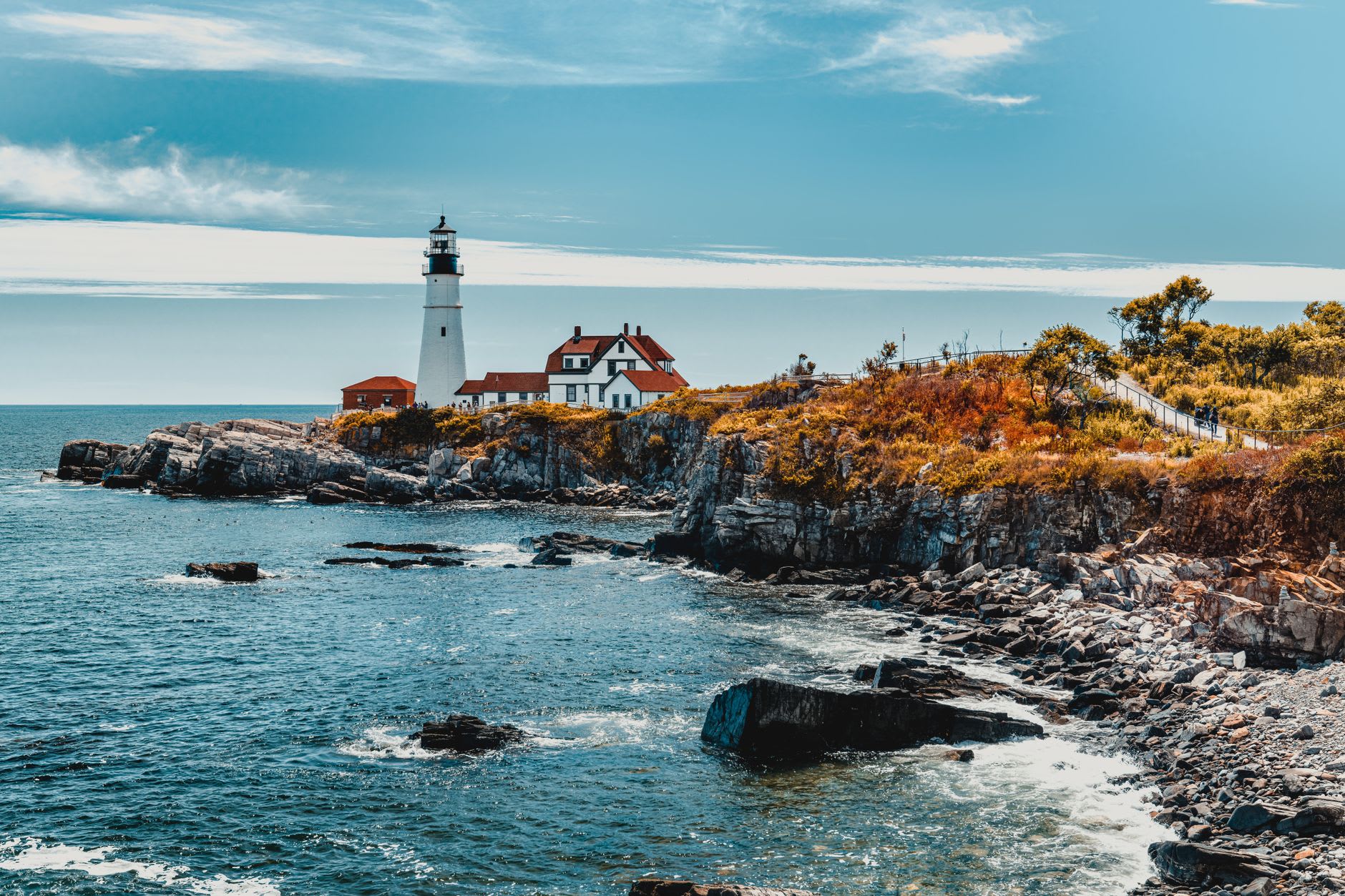
Congress Street, running inland from the Old Port, is where the gallery people and the coffee people and the bookshop people have set up. There is a stretch of it — roughly between the Portland Museum of Art and the arts district to the east — that in some other city would be called a scene. Here it is just where people go on Saturdays to look at things and drink good coffee without anyone making a fuss about it. The Portland Museum itself has a permanent collection worth the afternoon, particularly the Winslow Homer paintings that show the coast in winter, when the Atlantic is the color of old pewter and the waves break with a weight that makes summer visitors seem slightly naive.
When to go: July and August are the most alive — the harbor is full, the restaurant scene hits its stride, and the ferry lines to the Casco Bay islands run constantly. But September is my preference: the tourists thin, the light goes gold, the sea fog comes in and burns off by noon, and you get the city in something close to its natural state.