
Kennebunkport
"The Bush compound is out there somewhere beyond the rocks. I kept looking for it, failed, and ate lobster instead."
Coming into Kennebunkport from the south on Route 35, the first thing you notice is the quality of the shingle. The houses here are big in a way that speaks to old money — or money that has been here long enough to grow comfortable in weathered wood and generous porches — and they sit on their lots with the self-assurance of structures that have been in the same family for several generations. This is the southern fringe of Maine, barely past the New Hampshire border, and it has a different energy from the mid-coast and the down-east reaches: warmer, softer, less wild, closer in feel to the coastal towns of Massachusetts. The people who summer here come partly because of the lobster and partly because of each other, and the town has grown into that fact gracefully.
Dock Square, the commercial center, is pleasant without being exceptional. There are galleries and boutiques and ice cream shops and restaurants with outdoor seating. None of it is particularly cheap, and it doesn’t pretend to be. What saves it from mere prettiness is the Kennebunk River, which runs through the middle of everything, lined with weathered buildings whose reflections in the water on still mornings have a quality that painters have recognized for more than a century. The Kennebunkport Historical Society occupies several old buildings around the square and is worth twenty minutes of your time if you are interested in the economic history of a coast where rum-running, shipbuilding, and summer tourism have each had their turn as the primary industry.
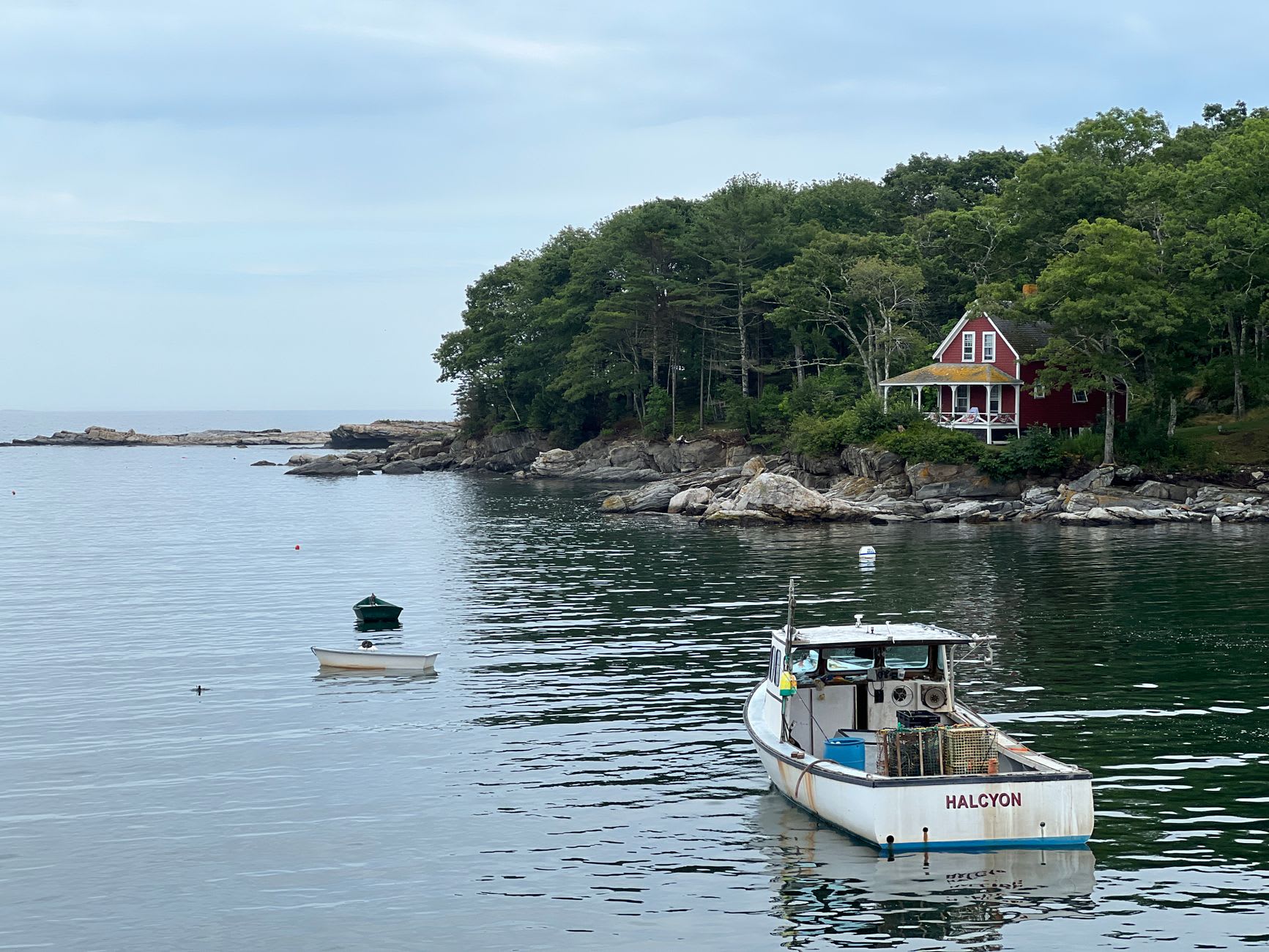
Walker’s Point, the rocky promontory south of town where the Bush family compound has sat for several generations, is visible from Ocean Avenue — a long bluff of shingled rooflines and the American flag that flies when a Bush is in residence. It has a strange quality as a piece of scenery: private and public at the same time, famous for existing rather than for being particularly beautiful, though the rock it sits on is perfectly good rock. The tourists who slow their cars in front of it are doing something I understand — that human desire to be close to history, even very recent history, even history that is debatable — but the better view is a few hundred yards further along Ocean Avenue, where the road runs close to the water and the Atlantic comes in against the ledges in a way that has nothing to do with presidential compounds.
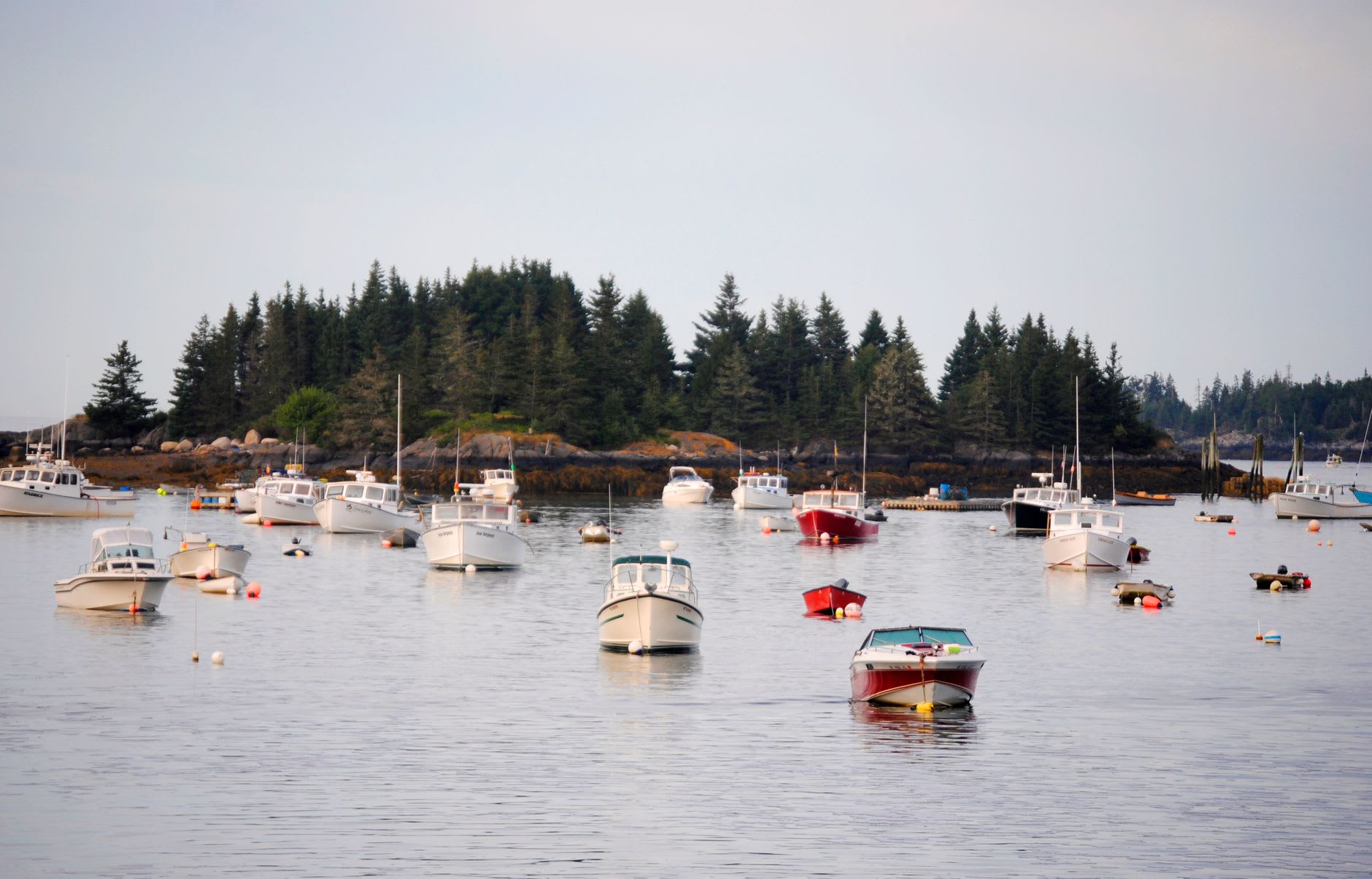
Cape Porpoise, the quieter fishing harbor a few miles north of the main drag, is where I went when I wanted to eat well. The lobster pound there is not glamorous and is not trying to be. Picnic tables on a dock, the smell of bait and salt water, a tank where you point at the lobster you want and then wait for it to be boiled and cracked and brought to you on a paper tray. The lobster at Cape Porpoise was the best I had in southern Maine — firmer and sweeter than anything I’d eaten at the fancier establishments — and the chowder was thick with clams that had been pulled from the local flats that morning.
Goose Rocks Beach, north of Cape Porpoise, is a long arc of sand that fills with summer families in July and August. The water temperature at this latitude is never exactly warm, but it is warmer than anything north of here, which is a relative grace. On weekday mornings in late June, the beach is nearly empty — just the shorebirds working the tide line and the sound of the surf running over a long flat bottom and the smell of the beach grasses behind the dunes, which is a smell I have never found a good word for.
When to go: Late June and early July for the beaches with manageable crowds; September for the town at its most authentic, when the summer residents have gone and the year-round people resurface. Cape Porpoise is best on a weekday, early enough that the lobsters are still coming off the boats.