A village hidden inside an extinct volcanic crater, reached by hairpin roads and a nun's escape route from centuries ago.
We almost missed the turn. Lia was reading the map on her phone and I was watching the road narrow and climb, and then suddenly the trees opened up and there it was below us — a whole village sitting at the bottom of what used to be a volcano. I actually said “whoa” out loud, which doesn’t happen to me much anymore after three years of chasing views around Mexico and beyond. Curral das Freiras means “Corral of the Nuns,” and once I heard the story I understood why the crater felt less like a scenic overlook and more like a hiding place. In 1566, nuns from the Santa Clara convent in Funchal fled here to escape a pirate raid led by a French corsair named Bertrand de Montluc. I’m French myself, so I’ll admit I felt a strange, complicated pride and embarrassment reading that on a plaque near the viewpoint.
We stopped first at Eira do Serrado, over 1,000 meters up, where the crater opens out beneath you like something a giant carved out with a spoon. Lia leaned on the railing for a long time without saying anything, which is her way of telling me a place has actually gotten to her. The peaks ring the whole basin so tightly that for centuries the only way in or out was a mule path — no proper road existed until the 1950s. Standing there, I tried to imagine walking that path with everything you owned on your back, and it made the short, dizzying drive we’d just done feel almost embarrassingly easy.
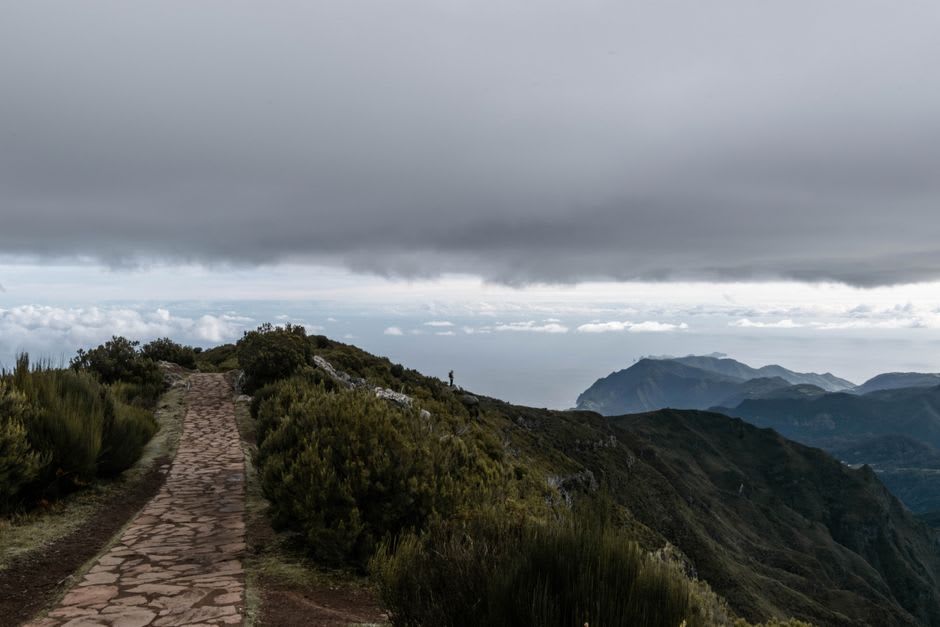
Down in the village itself, we found a small café where an older woman sold us chestnut cake and a chestnut liqueur she poured without asking if we wanted it, which I appreciated. Chestnuts are the thing here — they grow on the crater slopes and show up in soups, cakes, and that syrupy liqueur that Lia swears she could still taste the next morning. We wandered the narrow streets for maybe an hour, past a small whitewashed church and gardens terraced into impossibly steep ground, and it struck me how self-contained the whole place still feels, even now that the road makes it a twenty-minute drive from Funchal.
What stayed with me longest wasn’t the view, actually, though it’s one of the best on the island. It was the quiet sense of isolation the village still carries in its bones, even surrounded by day-trippers like us. Places don’t forget how they were founded.
When to go: We went in October and had clear skies over the crater both mornings — locals told us spring works just as well, since summer haze tends to blur the whole panorama from Eira do Serrado.
Keep exploring
More from Madeira
 madeira
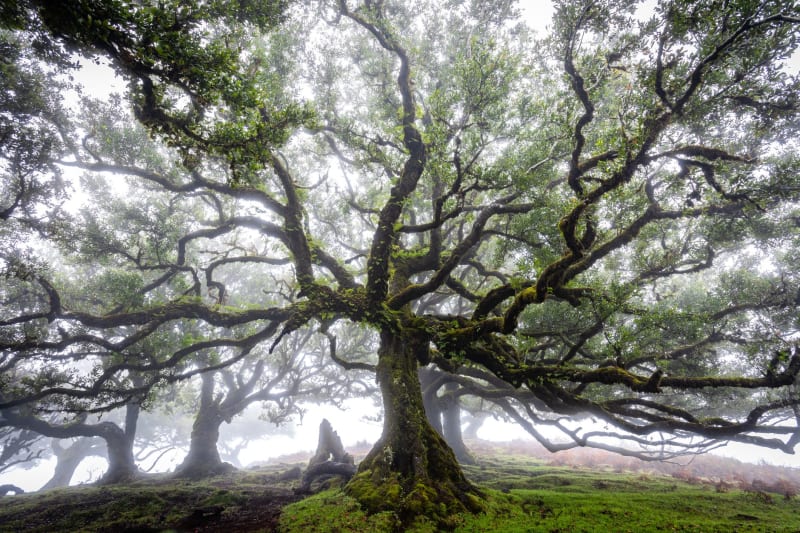
 Fanal
An ancient laurel forest on the high plateau where the trees are so old and so draped in moss that the forest appears to be breathing.
Explore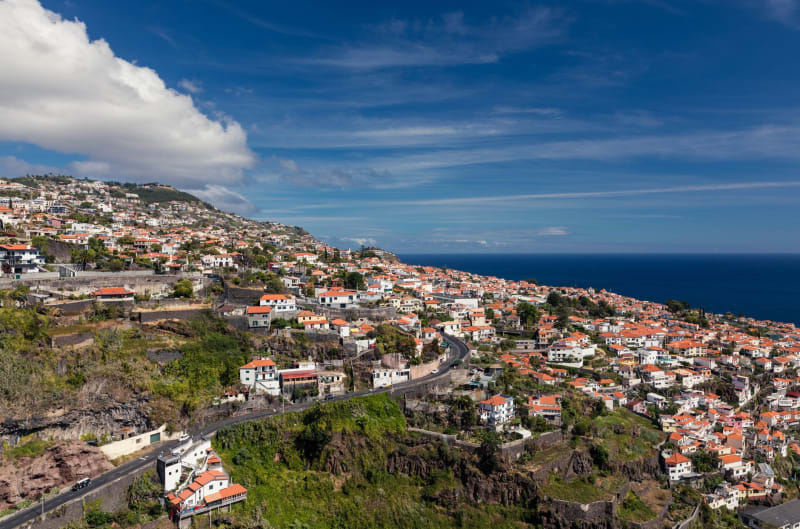 madeira
 Funchal
Madeira's capital tumbles down volcanic hillsides to a harbour that smells of jasmine and diesel in equal measure.
Explore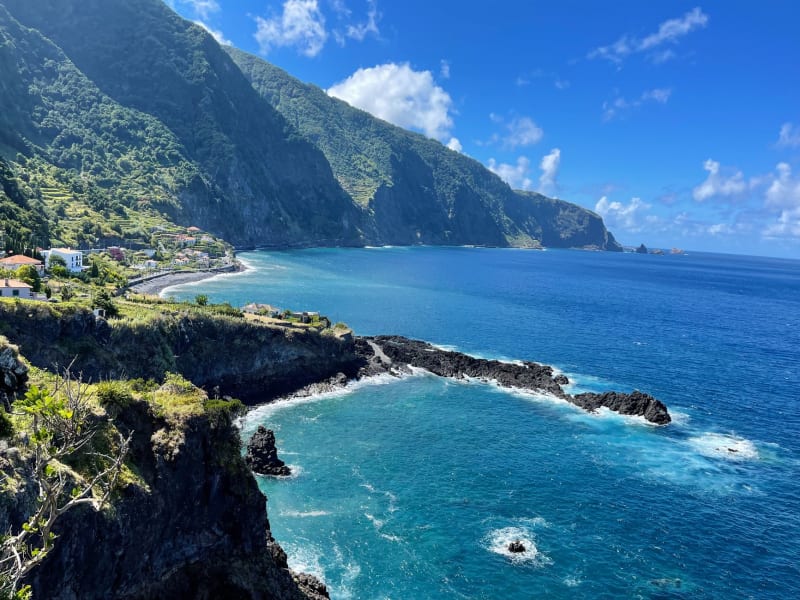 madeira
 Monte
A hilltop village above Funchal where baroque church bells echo across camellia gardens and the toboggan men wait at the top of the road.
Explore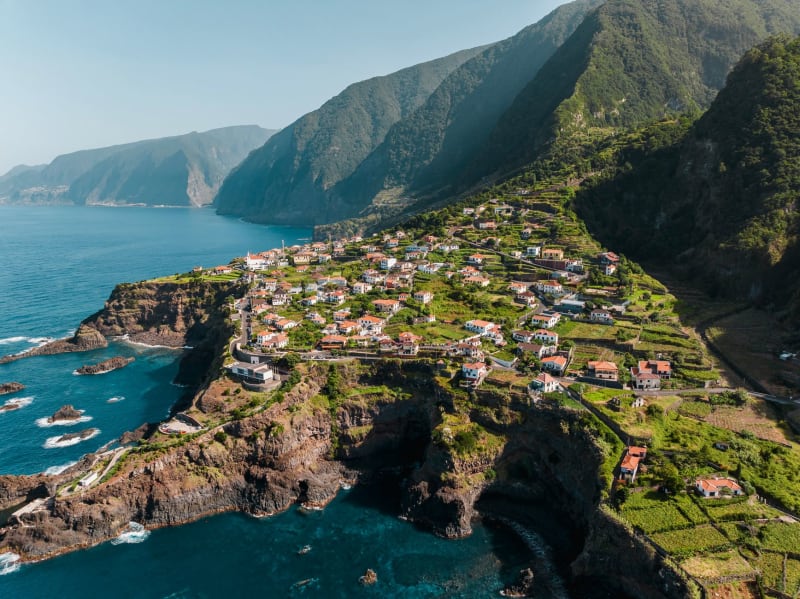 madeira
 Paul da Serra
A windswept plateau at 1500 metres that is nothing like the rest of Madeira and looks, on a grey day, like the Atlantic has risen to meet the sky.
Explore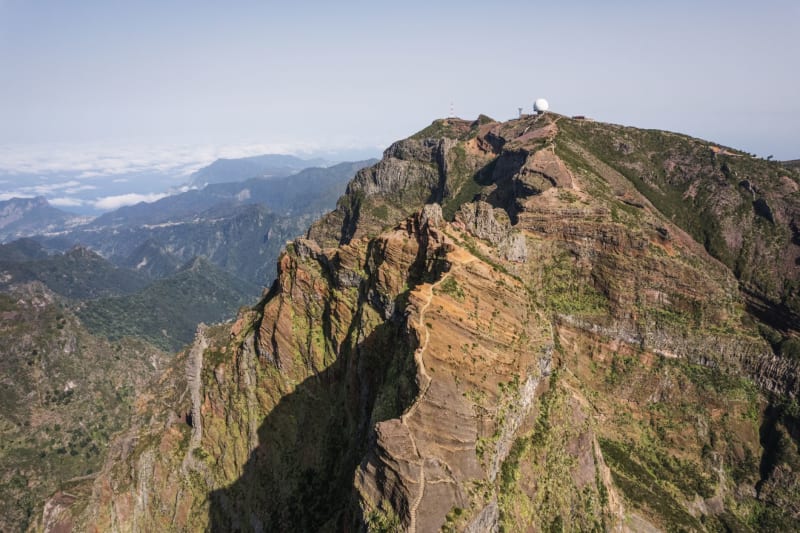 madeira
 Pico Ruivo
Madeira's highest peak where the cloud sits below the ridge and you walk above the weather looking down at the island you came from.
Explore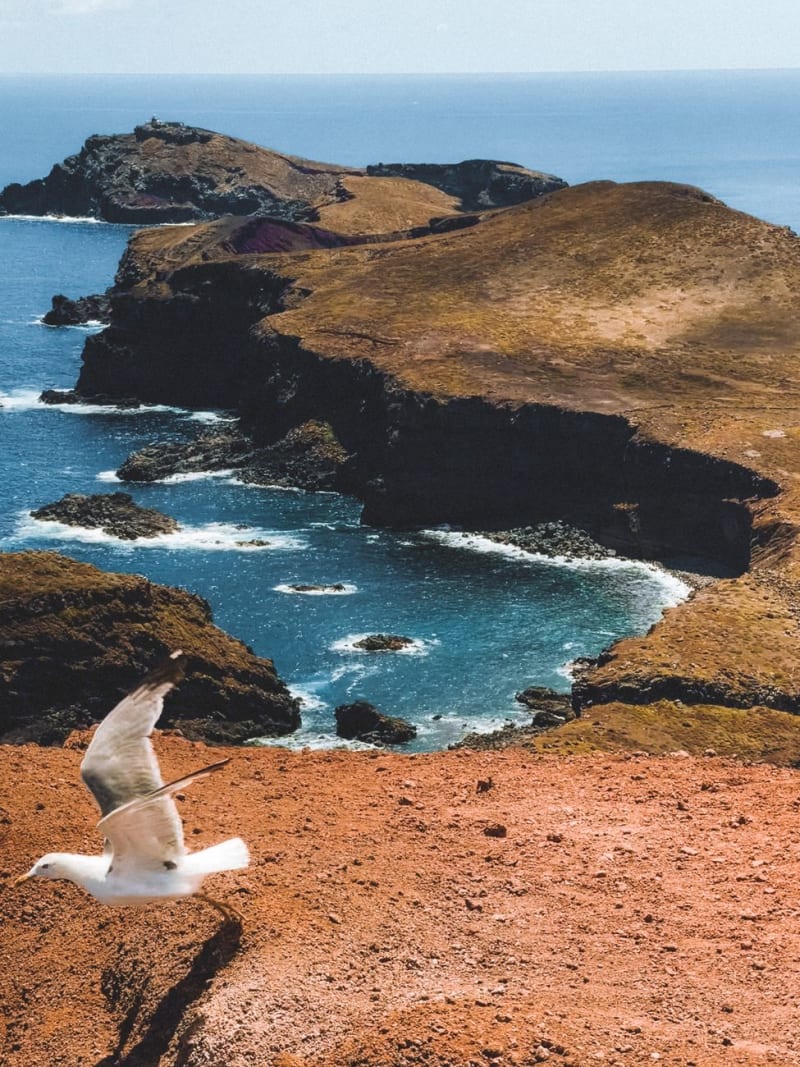 madeira
 Ponta de São Lourenço
Madeira's wild easternmost tip, a treeless spine of red and ochre rock plunging into the Atlantic, where the lush green island runs out and turns into something far stranger.
Explore