Europe
Madeira
"I came for a week and spent three days just trying to find the edge of the forest."
I arrived in Funchal in February, which felt slightly insane given that I’d just left Mexico City winter — meaning twelve degrees of grey drizzle — and landed somewhere that smelled of jasmine and salt. The taxi from the airport climbed immediately, winding up into terraced hillsides where banana palms grew in rows between quintas with painted tile facades, and I understood within about four minutes that this island was going to require more time than I had booked.
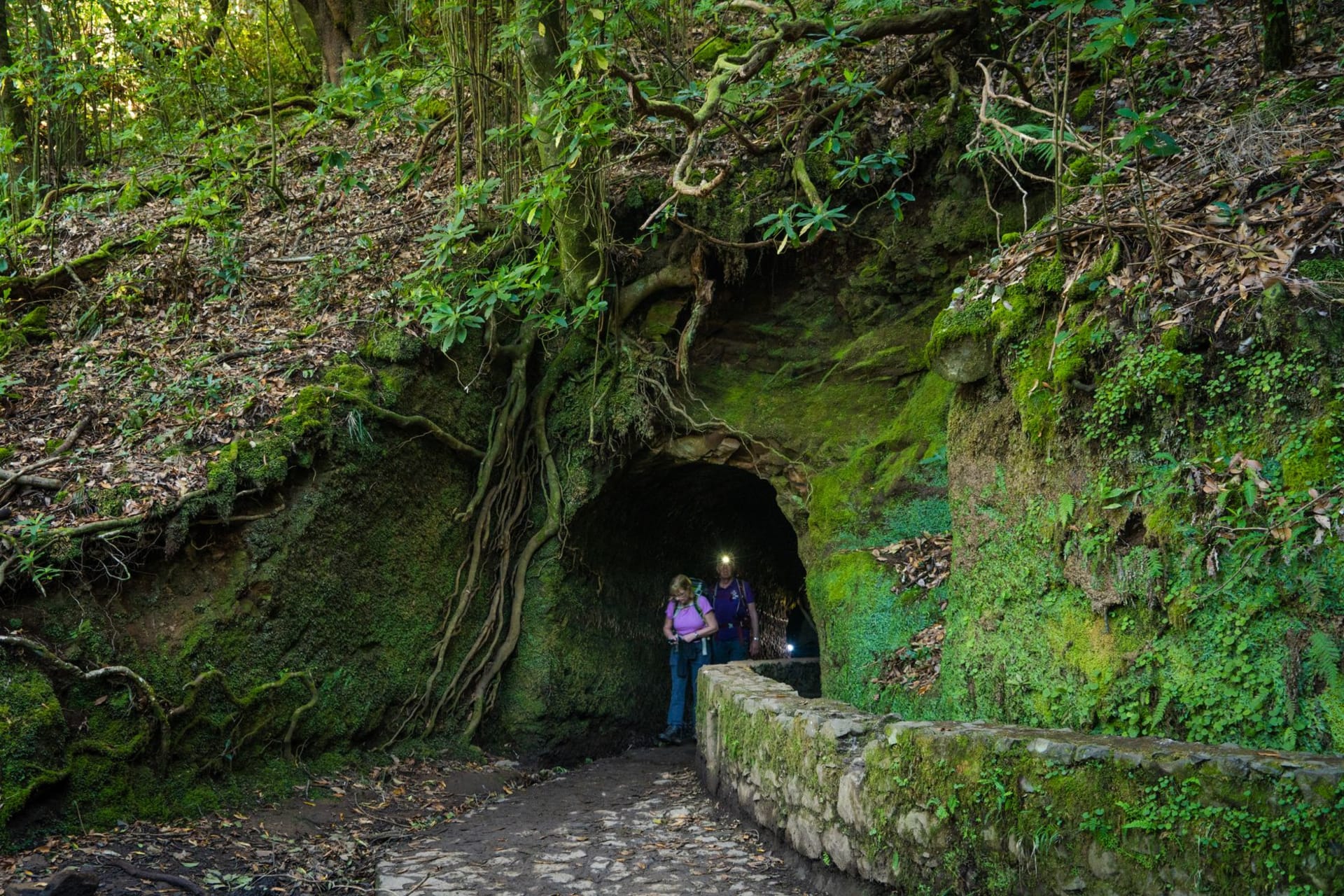
Madeira is sold as a place for hiking, and it is — but the framing undersells what the landscape actually does to you. The levadas are irrigation channels, centuries-old, that thread through the island’s interior with footpaths running alongside them. Some pass through tunnels in the rock, water rushing at your feet, the exit a circle of green light in the distance. The Laurissilva forest, a UNESCO World Heritage site, is what Western European forests looked like before the Ice Age. Walking through it feels less like tourism and more like trespassing in geological time — the trees draped in moss, the air thick with moisture, everything muffled and green and old. I walked the Levada do Caldeirão Verde trail on a Tuesday morning and passed maybe six other people. I could not have told you what continent I was on.
The food anchors you back. Espada com banana — scabbardfish served with fried banana — is the dish everyone mentions and the dish that everyone is right to mention, especially at a table overlooking the harbor in Câmara de Lobos, the fishing village Winston Churchill painted that still smells of dried fish and diesel and has not yet been gentrified out of its character. Poncha, the local aguardente with honey and lemon, hits harder than it announces. The Mercado dos Lavradores in Funchal sells passion fruits the size of my fist and I ate three of them standing at the stall and the vendor laughed at me.
When to go: February to April is my recommendation — the flowers are out (the island takes spring flowers seriously, in a way that feels almost competitive), the trails are quiet, and the temperatures sit around 18 to 22 degrees. July and August are crowded and hot at sea level. October through December brings rain to the north coast but keeps the south mild.
What most guides get wrong: They position Madeira as a retirement destination or a cruise ship stop, somewhere mild and unchallenging. It is, in fact, one of the genuinely wild places left in Europe. The north coast road — the ER101 — is a two-lane ledge above cliffs where the Atlantic throws itself at the rocks a few hundred metres below. The interior goes from subtropical to something approaching alpine within an hour of driving. People come expecting a pleasant stroll and leave having been properly unsettled. That is the correct response.