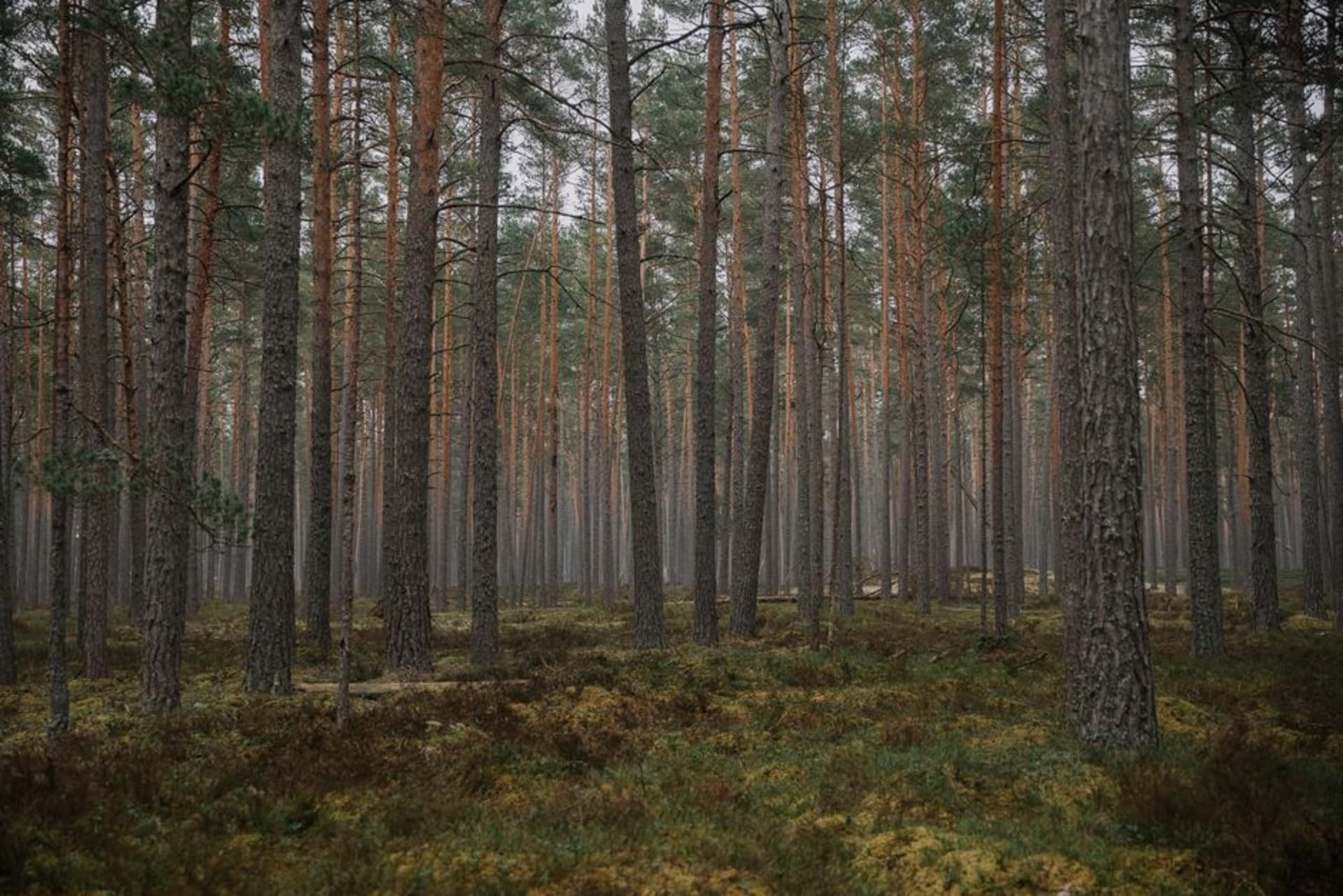
Zombitse-Vohibasia National Park
"It's the kind of park you stop at because it's on the way. Then you don't want to leave."
A transitional forest between Madagascar's dry west and spiny south, small enough to walk in an afternoon and packed with birds found nowhere else.
Zombitse-Vohibasia sits directly alongside the main road between Toliara and Ihosy, close enough to Isalo that most itineraries treat it, if they include it at all, as a quick roadside diversion rather than a proper stop. I nearly did the same, planning an hour, maybe two, before continuing toward the coast. I ended up staying most of a day, mostly because the birdlife kept producing things I hadn’t seen and didn’t want to leave before finding.
A Forest Between Two Worlds
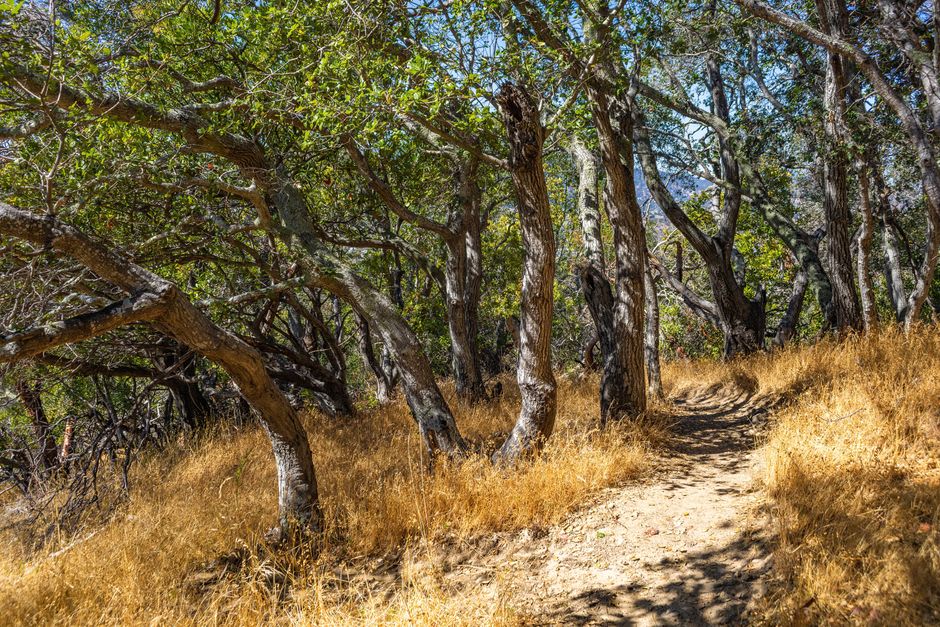
What makes Zombitse ecologically distinct is its position as a transition zone — a mix of dry deciduous forest characteristic of western Madagascar and drier, spinier vegetation more typical of the deep south, overlapping here in a way that creates unusually high biodiversity for a relatively small, low-profile reserve. My guide, a wiry, sharp-eyed man named Fidy who clearly lived for this particular patch of forest, walked me through a canopy that shifted noticeably in character every few hundred meters — dense and shaded in one stretch, opening into thornier, more exposed growth in the next.
Birds That Live Only Here
Zombitse holds the entire known range of Appert’s tetraka, a small, nondescript-looking bird that exists, as far as anyone has confirmed, in this forest and nowhere else on Earth. Fidy tracked its call for the better part of twenty minutes through dense undergrowth before finally getting me an actual look — a small brown-and-grey bird that gave absolutely no visual indication of its outsized ecological importance. We also found giant coua moving through the leaf litter with a slow, deliberate strut, and a pair of Appert’s greenbul working a fruiting tree, both species that made this modest-looking forest feel, birdwise, disproportionately significant.
Sifaka in the Mixed Canopy
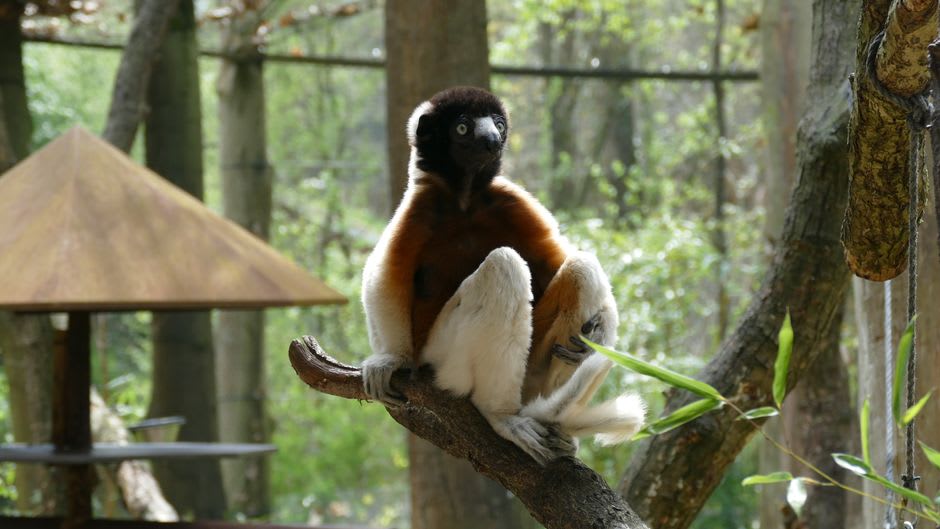
The park also holds Verreaux’s sifaka, and unlike the more habituated populations further south in Berenty, the ones here stayed higher in the canopy and more cautious of us, watching from a comfortable distance rather than approaching. Fidy found a family group resting in the crook of a large tamarind tree, white fur catching the light in patches through the leaf gaps, and we sat below them for a long while doing nothing more than watching them do the same.
There’s a modesty to Zombitse that I found appealing after some of the more heavily marketed parks elsewhere — no elaborate visitor center, no crowds, just a genuinely important patch of forest doing quiet, essential ecological work at the side of a highway most people are speeding through toward somewhere flashier.
When to go: Year-round, though April through November offers the most comfortable hiking conditions. Easily combined with a stop en route between Isalo and Toliara.