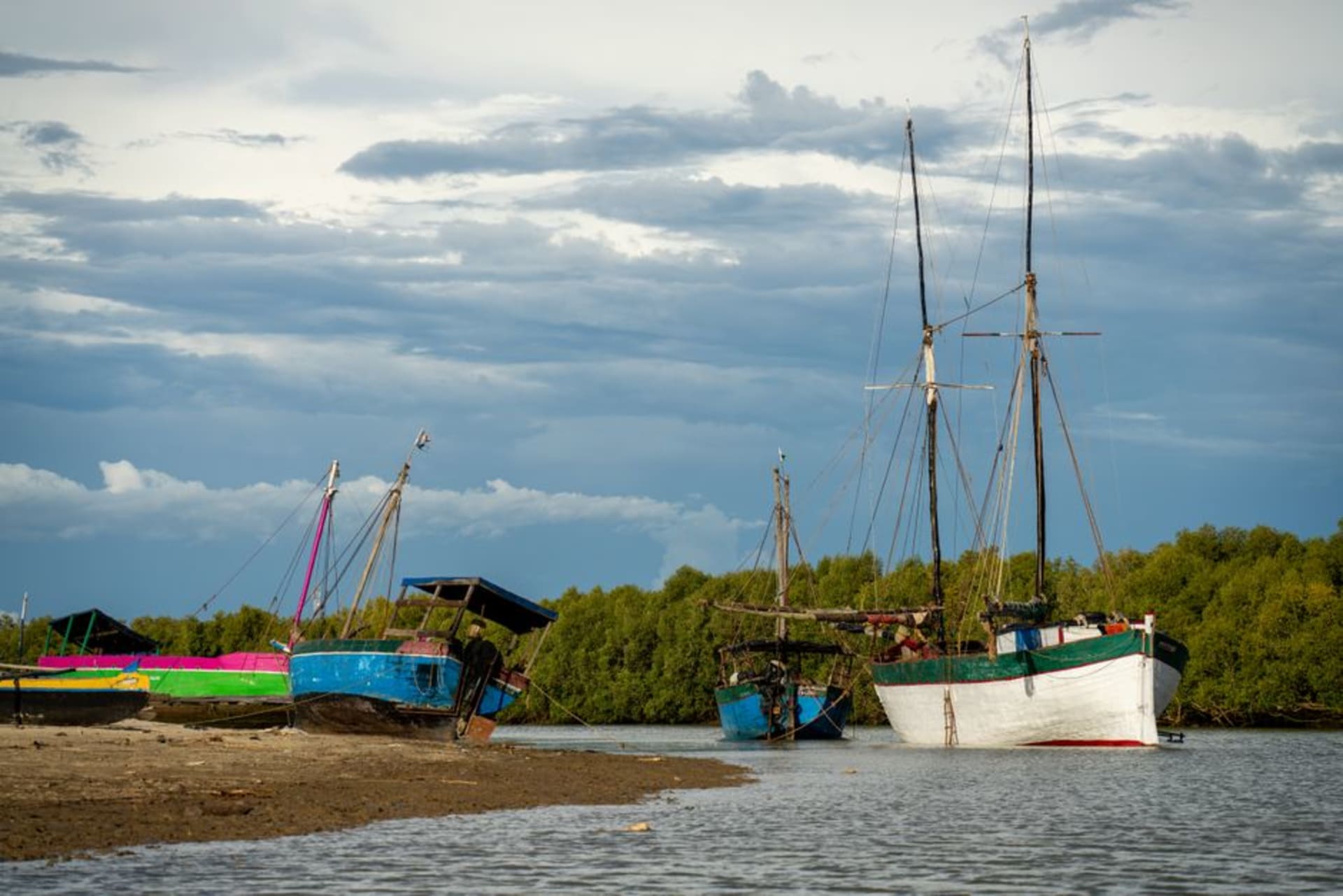
Tsiribihina River
"Three days on the water with no schedule beyond the current itself. I've rarely felt more completely disconnected from a clock."
A multi-day pirogue descent through western Madagascar's canyon country, sleeping on sandbanks between baobab forest and gorge walls.
The Tsiribihina descent starts in Miandrivazo, a small, sun-baked town that exists mostly as the launch point for this trip, and ends two or three days later at Belo-sur-Tsiribihina, close to Morondava and the baobabs. In between, there’s no road running parallel to the river for most of the route — just water, gallery forest along the banks, and the occasional village visible only from the boat.
Loading the Pirogue
We set off just after dawn, our gear and cooking supplies stacked into a long wooden pirogue fitted with a small outboard motor, along with a crew of two — a captain named Zafy and a cook whose name I’m embarrassed to say I never got quite right despite three days of excellent meals from her. The river at Miandrivazo is wide and brown, moving with a steady, unhurried current through flat farmland that gradually narrows as the first afternoon wears on, banks closing in and the terrain turning drier and more scrubby.
Gorges, Baobabs, and Lemurs on the Bank
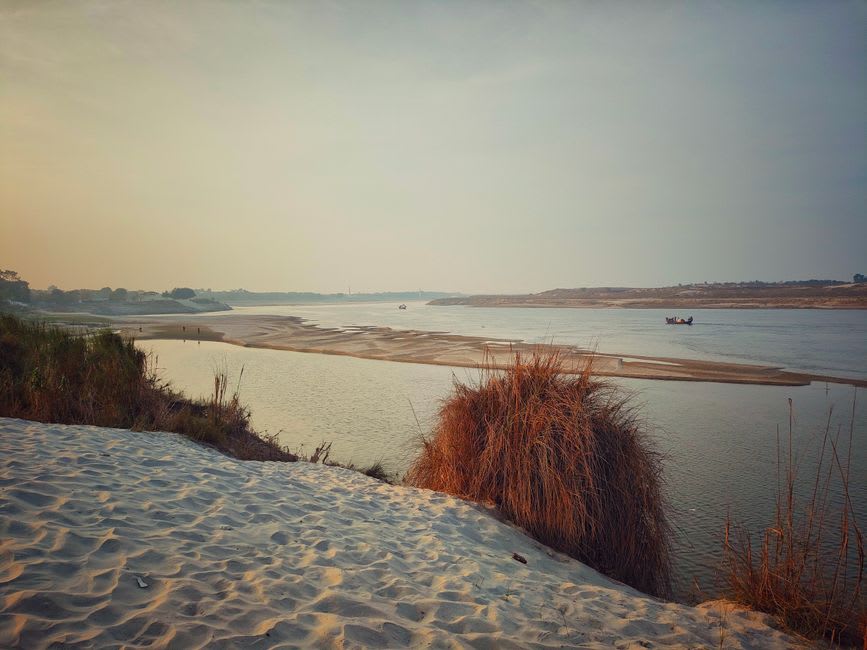
By the second day the river had cut into low sandstone gorges, cliffs rising directly from the water in places, and isolated baobabs stood along the drier upper banks in poses that looked almost staged against the rock. We stopped periodically to explore side canyons on foot — one held a series of caves locals use seasonally for shelter, another opened onto a small waterfall feeding directly into the main river. Brown lemurs occasionally appeared in the gallery forest along the banks, watching the boat pass with mild curiosity before returning to whatever they’d been doing, and kingfishers worked the shallows in numbers I hadn’t expected on a river this size.
Sleeping on Sand
Each night, the crew picked a sandbank to camp on — flat, clean, and completely private, no other groups visible up or down the river — and set up simple tents while dinner cooked over an open fire. I fell asleep both nights to the sound of the current and a slightly alarming number of very large stars, no ambient light for what felt like a genuinely significant radius, and woke each morning to Zafy already loading the pirogue for the day ahead.
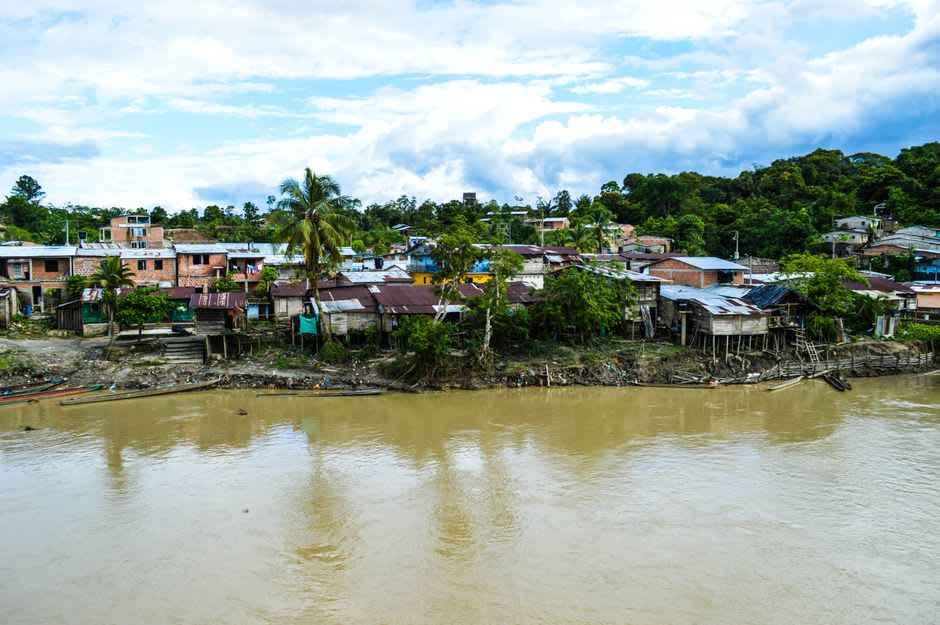
Villages along the route came into view only occasionally — kids running down to the bank to wave as we passed, a woman washing clothes on a flat rock, a small market visible from the water at one wider bend where we stopped briefly to buy fruit. The whole trip had a rhythm dictated entirely by the river rather than by any itinerary, and by the third day, arriving at Belo-sur-Tsiribihina felt almost like an unwelcome return to a faster kind of time.
When to go: April through October, dry season, when water levels are manageable and the route is most reliably navigable. Multi-day trips should be booked through an established operator in Miandrivazo.