Ranomafana
"The forest smelled of wet bark and something sharper underneath—cyanide, as it turned out. The bamboo. The lemur eats it for breakfast."
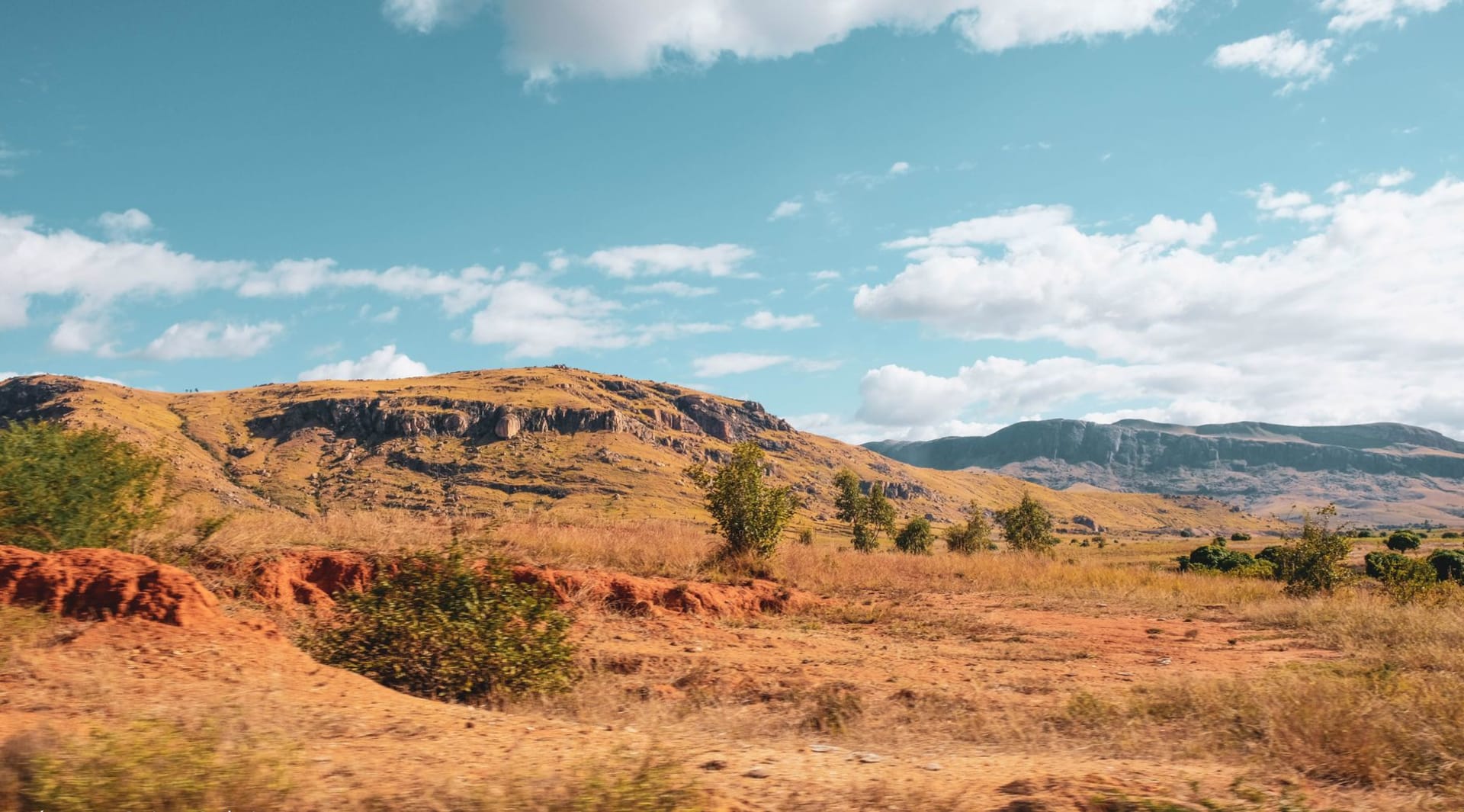
Ranomafana means “hot water” in Malagasy, which tells you something about what the early settlers considered worth naming. There are thermal springs at the park’s edge—warm, sulfurous, oddly restorative after a long taxi-brousse ride from Fianarantsoa through red-clay highlands and switchbacks that made the van groan. I arrived in late afternoon light that turned the hills amber and sat in the springs for twenty minutes before doing anything else. Good decision.
The park itself was established in 1991, pushed forward by American primatologist Patricia Wright after she helped identify the golden bamboo lemur here four years earlier. That animal was, at the time, entirely new to science. It processes enough hydrogen cyanide from its daily bamboo diet to kill most mammals of its size. Nobody is quite sure how.
Into the Trees
The guides at Ranomafana are excellent—organized through the park system and genuinely invested in what they’re showing you. Mine was named Misa, and he moved through undergrowth with the particular efficiency of someone who has done this thousands of times but still notices everything. He pointed out a Parson’s chameleon so large I initially mistook it for a small branch. Then it turned one bulging eye at me and I revised my estimate.
The forest here is different from Andasibe. Wetter, if that seems possible, with higher canopy and a more layered understory. Waterfalls cut through it every few hundred meters. The paths are steep enough that you earn each viewpoint.
The golden bamboo lemurs are found most reliably in bamboo thickets in the valley bottoms—small clusters of animals, rust-orange and watchful, moving with the unhurried confidence of creatures that have already solved the food question. They eat bamboo shoots, bamboo pith, bamboo leaf bases. The cyanide content would kill you and me both. The lemur is unbothered.
The Village Below
The town of Ranomafana is strung along a single road on a hillside overlooking the park entrance. It is not a polished place—a few guesthouses, a market, women carrying bundles of firewood on their heads along the road’s edge, men playing cards outside a shop selling mobile credit and Nestlé products. Lia bought a small woven basket here from a woman who drove a hard bargain in three languages and smiled broadly when she won. The basket rode home all the way to Mexico.
There’s a restaurant called Manja that does a creditable romazava, the national stew of beef and leafy greens that varies enormously from kitchen to kitchen. This one was good. I ate it twice.
After Dark
Night walks in Ranomafana hit differently than in other parks. The density of the forest amplifies every sound—frogs, mostly, in a volume that becomes almost percussive by 9 p.m. Mouse lemurs appear along the trail edges like nervous little footnotes. Sleeping chameleons glow slightly under red light.
The park runs a research station in partnership with Stony Brook University, which means it benefits from genuine scientific interest rather than just tourism infrastructure. That shows in the guide training, in the trail maintenance, in the small interpretive signs that actually tell you something.
When to go: April through October is driest and most navigable. June and July are cool at altitude—bring a fleece. September and October offer the best chance of seeing newborn lemurs. The rainy season (November through March) makes trails slippery and leeches unavoidable, but the forest is extraordinarily lush.