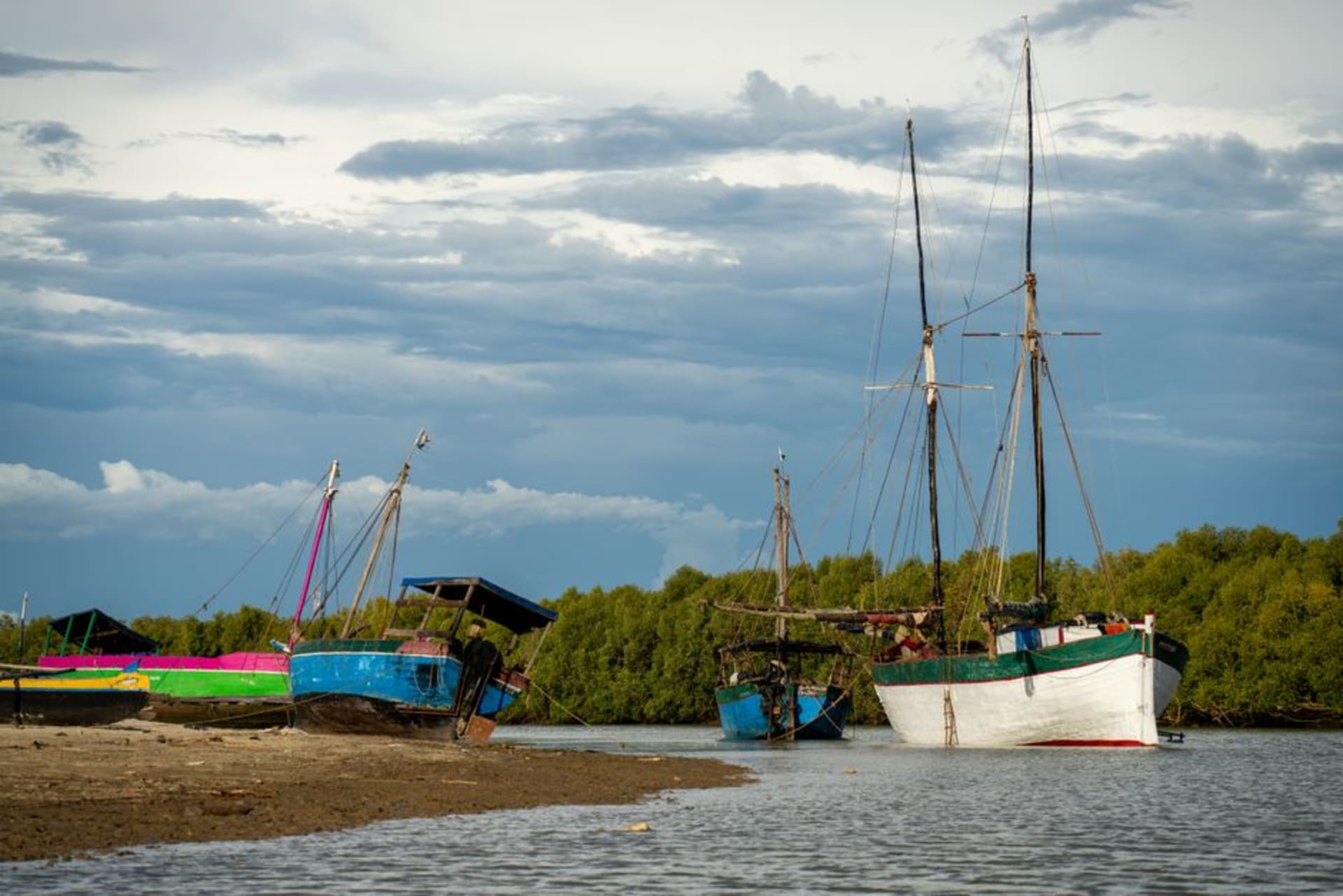
Pangalanes Canal
"The Indian Ocean is right there, a sand dune away, and yet the canal stays perfectly still the whole time."
A 600-kilometer chain of lagoons and man-made channels running behind the east coast, threaded by dugout canoes and lakeside villages.
The Canal des Pangalanes isn’t really a single canal so much as a chain of natural lagoons connected by short man-made channels dug during the French colonial period, running for roughly 600 kilometers behind the barrier dunes of Madagascar’s east coast between Toamasina and Farafangana. The idea was to give boats a protected inland route parallel to a stretch of ocean too rough and reef-choked for reliable shipping, and while cargo traffic has mostly moved elsewhere since, the canal itself remains — long, glassy, and largely overlooked by travelers rushing between the bigger-name stops further south.
A Different Kind of Water
I picked up a boat just south of Toamasina, a small motorized pirogue piloted by a man named Bruno who’d worked this stretch of water most of his adult life, and the contrast with the ocean on the other side of the dunes was immediate — no swell, no wind chop, just a long, still ribbon of brackish lagoon lined with raffia palms and the occasional stilt house. Bruno cut the engine periodically to let us drift past fish traps and small floating gardens where villagers grew watercress directly on the water’s surface, anchored by nothing more than woven reed mats.
Villages That Face the Water
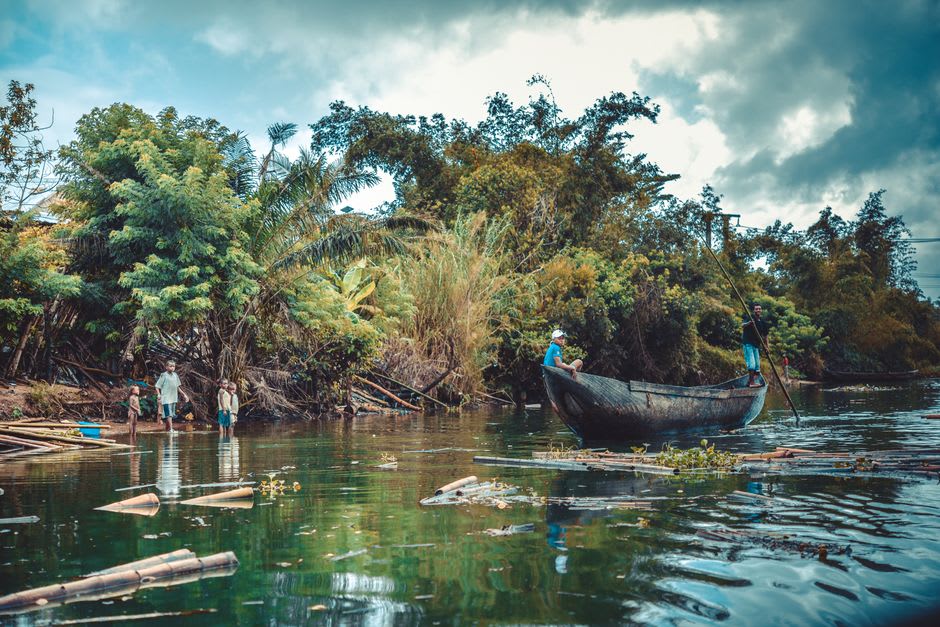
Every settlement along the canal orients itself toward the water rather than any road, since for long stretches the water is the only reliable route through. We stopped at a small village where kids paddled miniature dugout canoes barely big enough for one small body, ferrying themselves between houses with a competence that suggested they’d been doing it since they could walk. An older man mending a fish trap on his porch waved us over and, through a mix of French and patient gesturing, explained how the trap worked — a woven funnel design that let small fish in but not back out, checked and reset daily.
Slow Travel, Genuinely Slow
Some longer-distance travelers use the canal as an alternative route down the coast instead of the rough coastal road, a multi-day journey by boat that stops at riverside lodges each night rather than towns. I did a shorter, one-day stretch, but even that gave a strong sense of the pace involved — Bruno pointed out that a full transit could take the better part of a week depending on water levels and how many cargo boats needed passing at the narrower channel sections.
By the time we turned back toward Toamasina, the light had gone that late-afternoon gold that seems to settle particularly well on flat water, palm silhouettes doubling themselves in the reflection, and I understood why some travelers build an entire multi-day itinerary around this quiet, overlooked stretch of water instead of rushing past it toward the coast’s better-known beaches.
When to go: April through November for calm water and dry-season access to riverside lodges. Boats can be arranged in Toamasina or through lodges directly along the canal.
Keep exploring
More from Madagascar
 madagascar
 Ranomafana
A highland rainforest park threaded with thermal springs and presided over by the golden bamboo lemur, an animal that shouldn't exist by any reasonable measure of biology.
Explore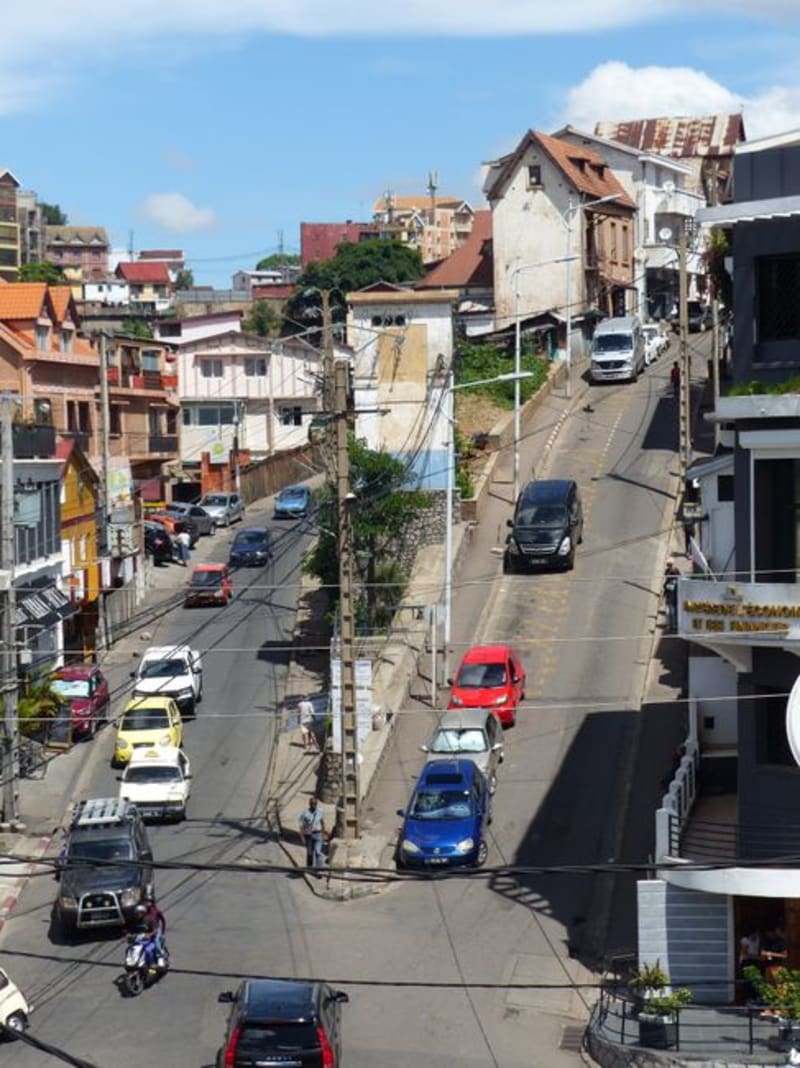 madagascar
 Toliara
A dusty southern port city ringed by spiny desert forest, zebu carts, and some of the best-preserved coral reefs left on the coast.
Explore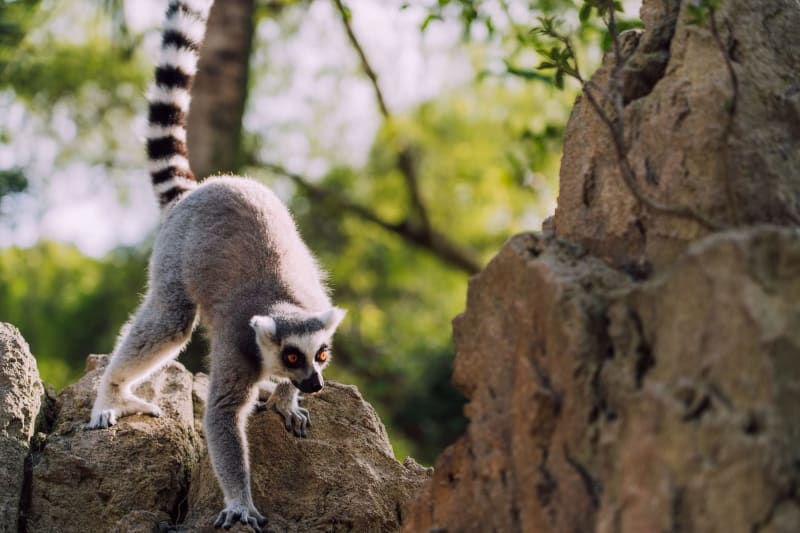 madagascar
 Tsingy de Bemaraha
A forest of razor-sharp limestone needles hosting endemic lemurs and birds found nowhere else on Earth.
Explore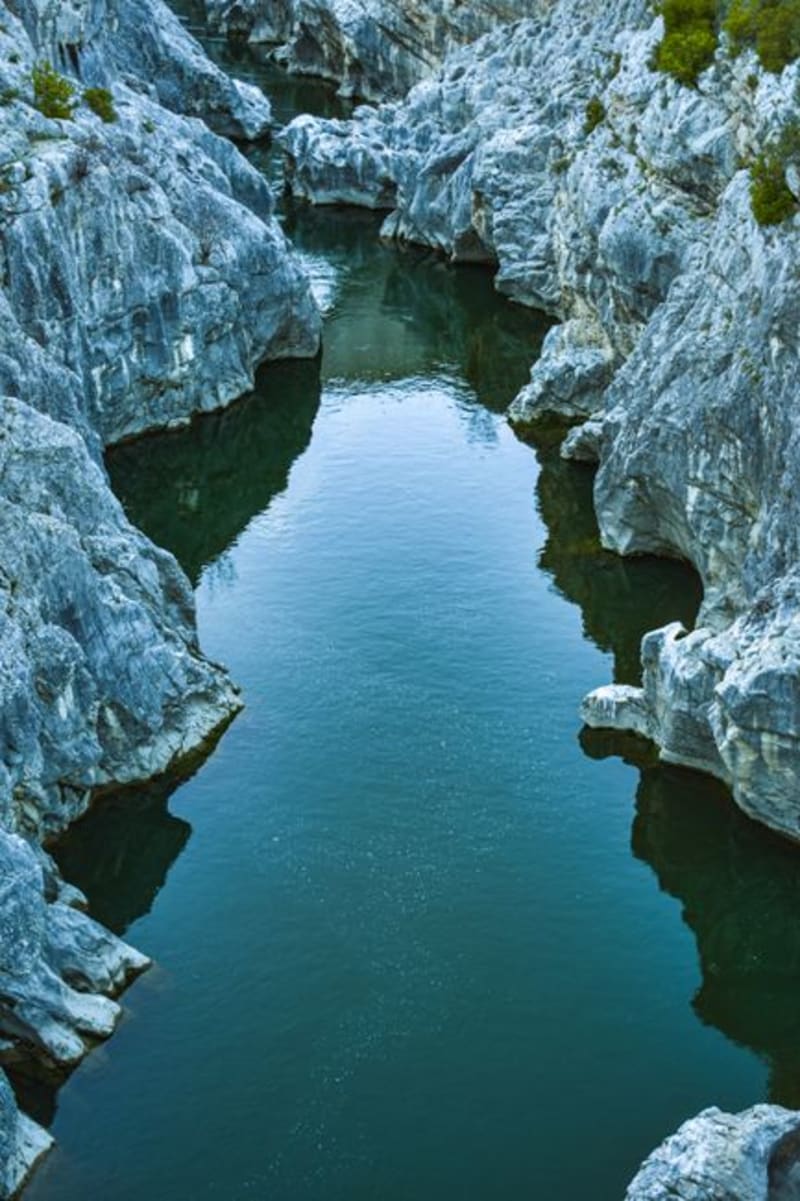 madagascar
 Tsiribihina River
A multi-day pirogue descent through western Madagascar's canyon country, sleeping on sandbanks between baobab forest and gorge walls.
Explore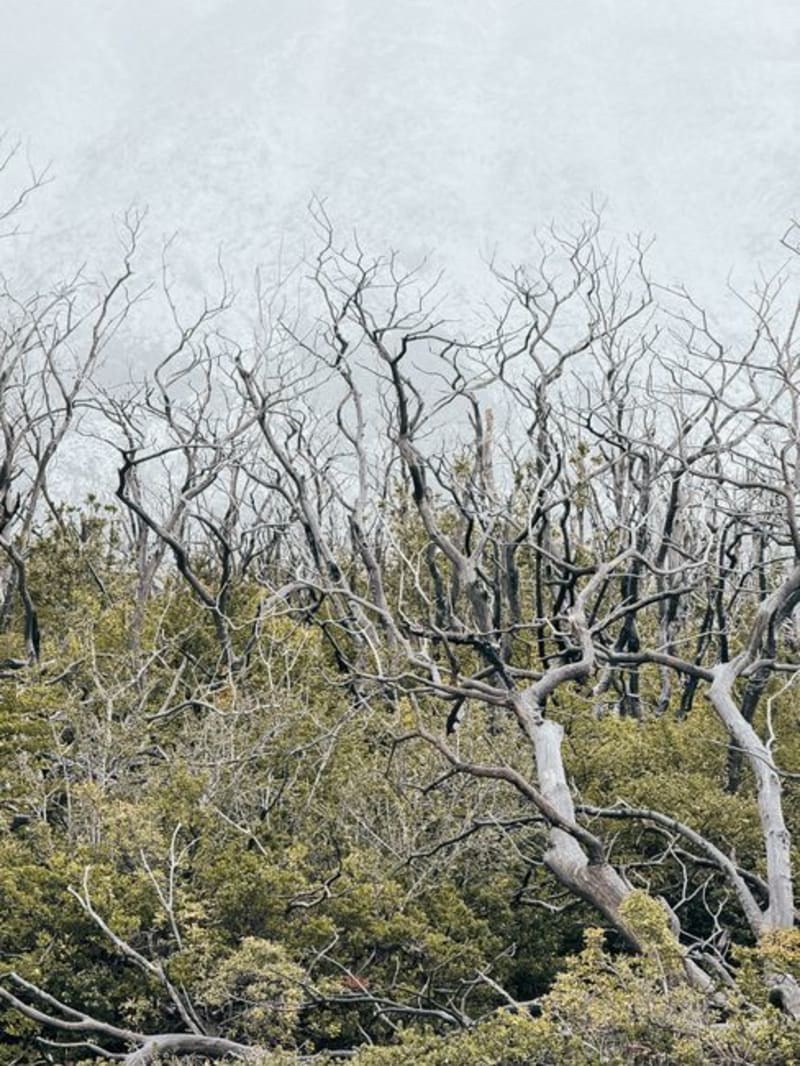 madagascar
 Zombitse-Vohibasia National Park
A transitional forest between Madagascar's dry west and spiny south, small enough to walk in an afternoon and packed with birds found nowhere else.
Explore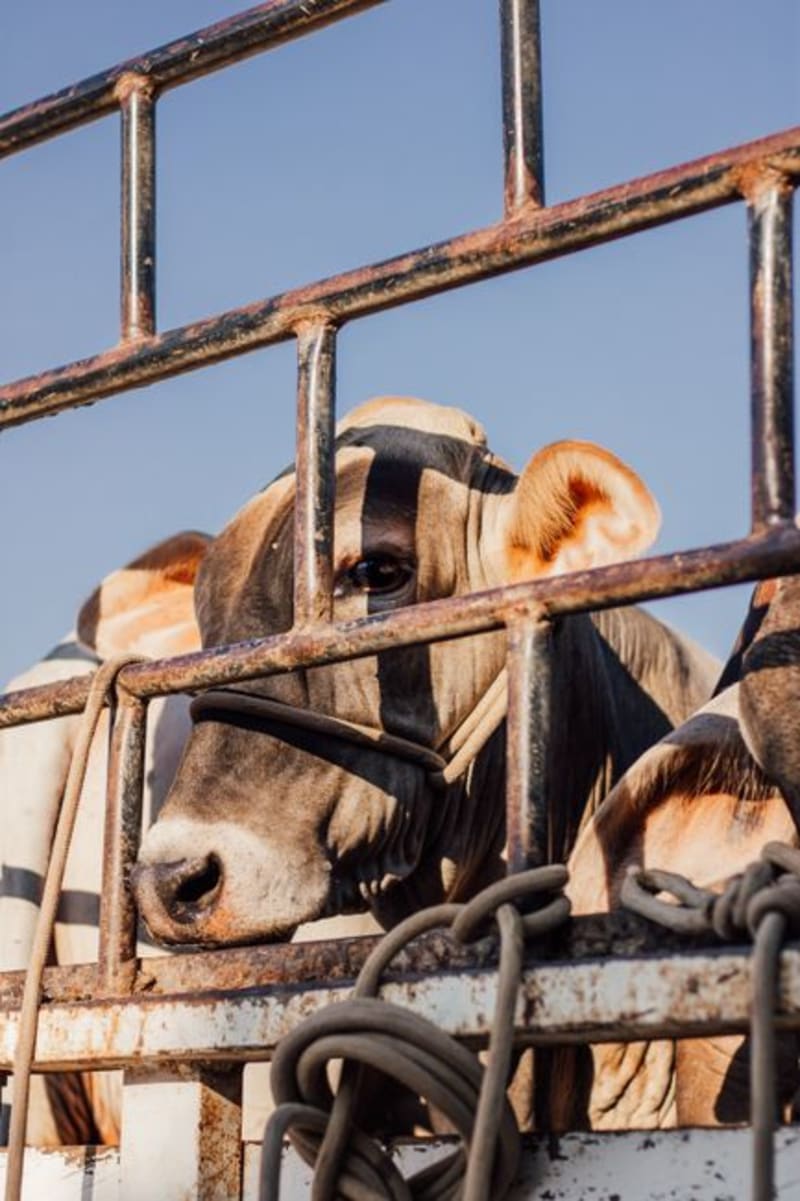 madagascar
 Ambalavao
A highland market town famous for its weekly zebu cattle market and the handmade Antaimoro paper still pressed with real flowers.
Explore