The perfume island — ylang-ylang plantations, whale watching, and coral reefs in the Mozambique Channel.
You catch it before you even step off the small propeller plane at Fascène Airport — a sweetness in the air that is floral but not cloying, undercut by something oceanic and faintly mineral. That is ylang-ylang, the yellow star-shaped flower distilled here into essential oil and exported to perfume houses in Grasse. Nosy Be has been producing it since the French colonial era, and the scent has seeped into everything: the red laterite roads, the timber market stalls in Hell-Ville, the early morning air over the bay. It sits on you like something applied deliberately.
Hell-Ville and the Market
The main town — whose colonial name the locals still use without irony — arranges itself along a harbour front loud with hissing minibuses and vendors selling vanilla pods in bundles the size of a fist. Lia wandered ahead of me into the Marché d’Hell-Ville while I was still adjusting to the light, which at ten in the morning already had that tropical hardness that makes shadows absolute. She found the spice section: cloves, cinnamon bark, black pepper still on the vine, peppercorns mixed with dried hibiscus. I bought a small bottle of ylang-ylang oil from a woman who told me in French that it was better than anything sold in Paris, and she was probably right.
The harbour is where the pirogues come in each morning, the fishermen offloading tuna and reef fish onto the concrete quay while the pelicans pretend not to notice. The fish stalls at the port’s edge sell plates of grilled capitaine with rice and a chile sauce called sakay — the kind of meal that costs almost nothing and that I kept returning to, adjusting my timing each day to catch it freshest.
Whale Season on the Mozambique Channel
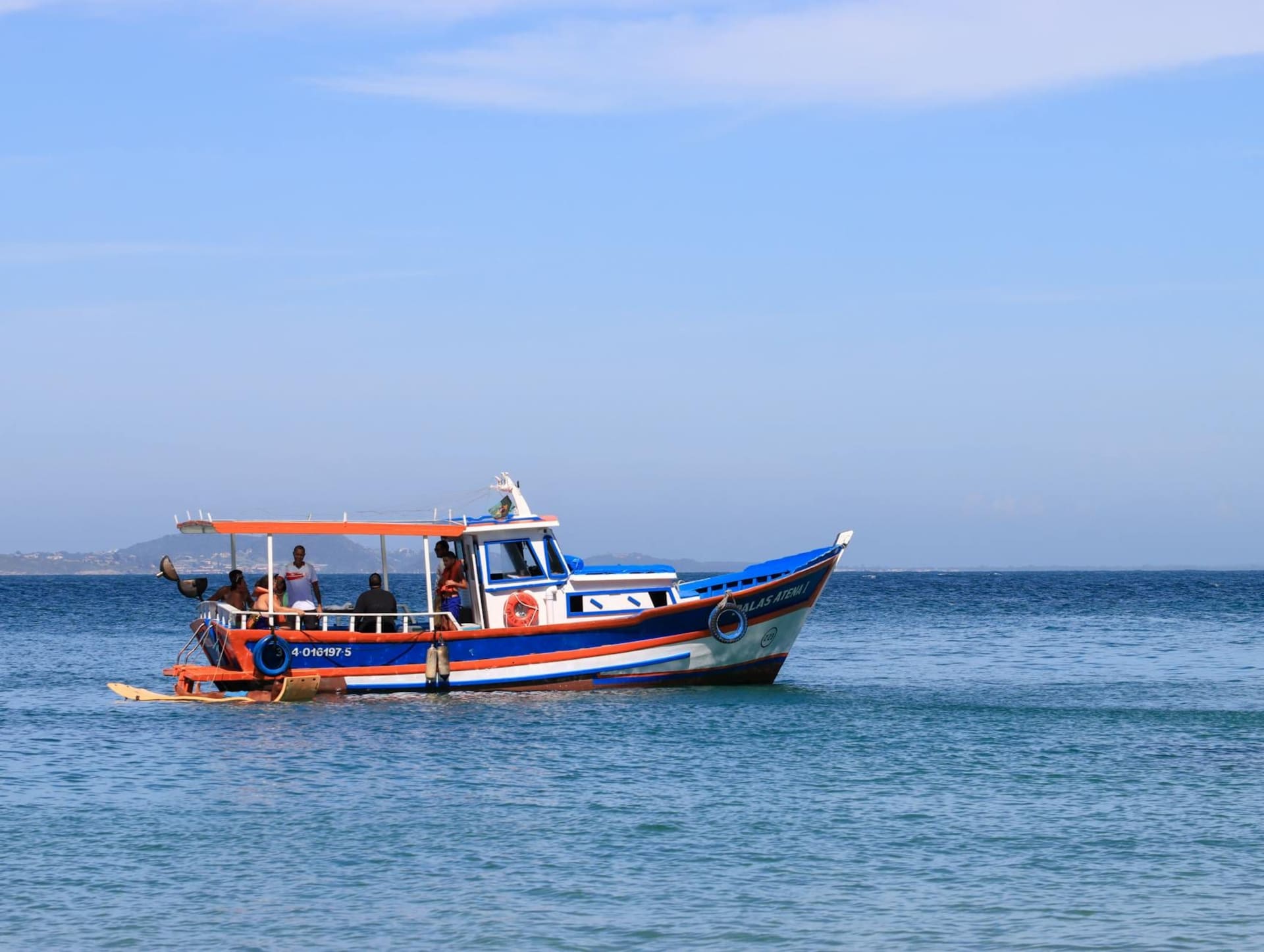
Between July and September, humpback whales move through the Mozambique Channel to calve, and the waters around Nosy Be become one of the most reliable whale-watching sites in the Indian Ocean. I had not expected this. I had come for the reefs and the ylang-ylang, and instead found myself standing on the bow of a wooden boat at dawn watching a mother and calf breach in slow, enormous sequence a hundred metres away, the sound reaching us a half-second after the impact — a heavy, wet percussion against the surface of something very large.
The reefs off Nosy Tanikely, a marine reserve reached by a twenty-minute boat ride, demand equal attention. The coral is in remarkable condition by the standards of the western Indian Ocean, and at the reserve’s northern tip, a lighthouse dating from the nineteenth century stands above a beach where sea turtles feed on the seagrass at low tide. I snorkelled until my shoulders burned.
Into the Plantations
The interior of Nosy Be rises toward an extinct volcano, Mont Passot, from which on a clear evening you can watch the sun fall into the channel while the silhouette of the sister island Nosy Komba holds its position in the middle distance. The road up passes through ylang-ylang plantations — low, branching trees pruned to harvest height — and I stopped to watch workers with long-handled scissors collecting blossoms into sisal bags. The harvest happens year-round, but the yield is best in the wet season, and the distilleries near Dzamandzary run their copper alembic stills continuously. A distillery worker let me smell the condensate coming off the still before it was cut with water — pure, almost caustic, nothing like the finished oil.
When to go: July to September for whale watching and the driest weather; the reefs are diveable year-round, but visibility peaks during the dry season from May to October.