
Morondava
"Everyone passes through on the way to the baobabs. Almost nobody stays long enough to see the town wake up."
A sun-bleached fishing town on the west coast where the road to the famous baobabs starts, and where the beach itself is worth the detour.
Morondava exists in most travel itineraries as a logistics problem to be solved — the nearest airstrip to the Avenue of the Baobabs, a place to sleep the night before or after the famous sunset, a name on a flight itinerary rather than a destination in its own right. I get why. But I stayed three nights instead of one, mostly by accident because of a delayed flight, and came away thinking the town deserved better than its reputation as a mere staging post.
A Beach That Works for a Living
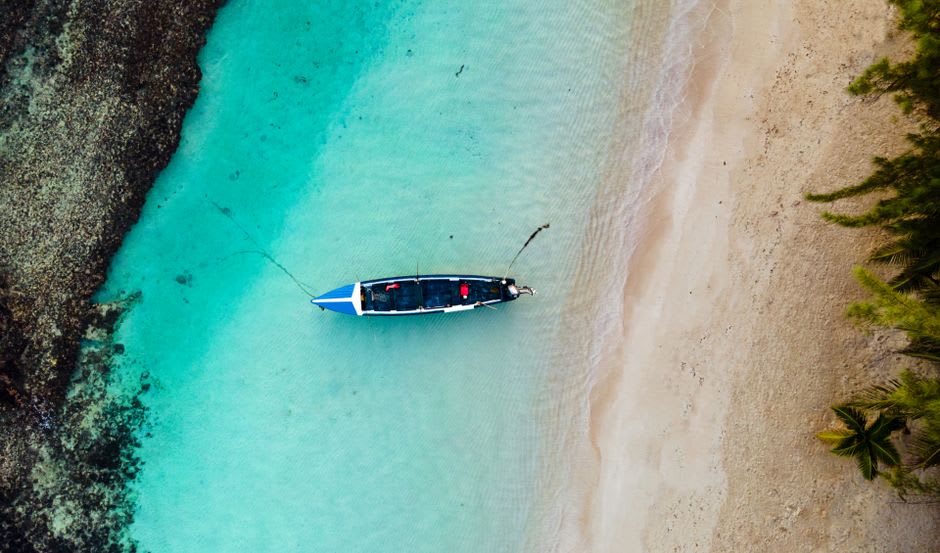
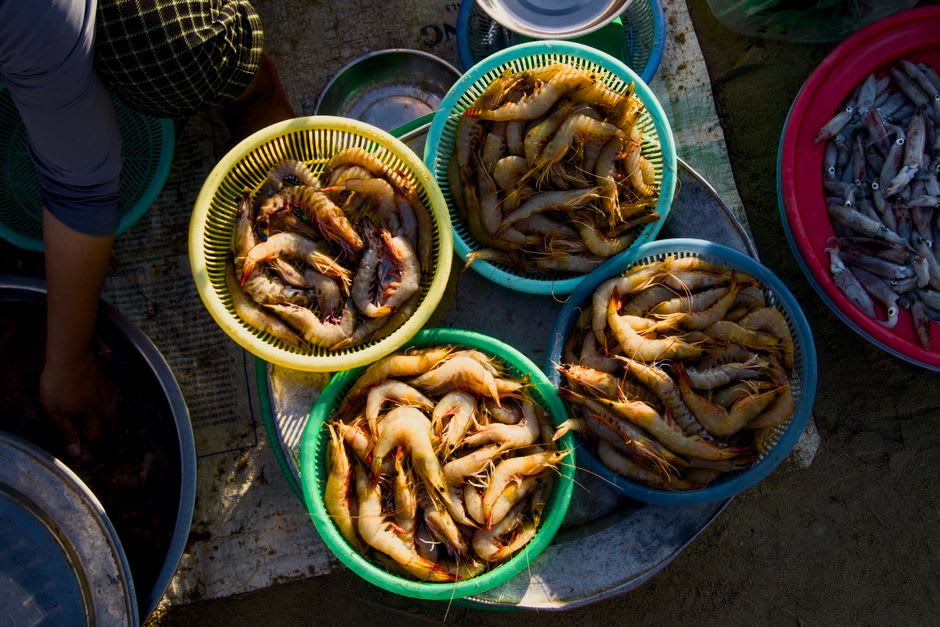
The beach here isn’t a resort beach in any curated sense — it’s a working shoreline, lined most mornings with Sakalava fishing pirogues hauled up on the sand, nets spread out to dry or mend, and a small, cheerfully chaotic market where the night’s catch gets sold within an hour of the boats coming in. I got up early on my second morning specifically to watch this happen, coffee in hand from a stall that sold instant Nescafé in reused jam jars, and found it more absorbing than I expected — the choreography of hauling boats, sorting fish by size and species, the particular shouting cadence of negotiation that seems consistent across every fish market I’ve ever visited on any continent.
The Town Behind the Beach
A few streets back from the water, Morondava’s center is a modest grid of low buildings, some colonial-era and crumbling elegantly, others corrugated-roof and purely functional, with a produce market that sprawls into the surrounding lanes most mornings. I ate lunch three days running at a small place with plastic tables and no sign I could find a name for, where a woman served me romazava — a beef and greens stew that’s something close to Madagascar’s national dish — with rice that came in a portion clearly intended for someone doing manual labor rather than someone who’d spent the morning taking photographs of boats.
Sunset, Twice
Obviously the baobabs are the reason most people are here, and I went out for sunset both nights I had free, once to the main avenue and once further out to the quieter Loving Baobabs — but Morondava’s own town beach does something almost as good at dusk, the fishing boats silhouetted against a sky that goes the same deep orange the baobabs get famous for, minus the tour buses. I sat on an overturned pirogue hull one evening with a bottle of the local THB beer, watching kids play a barefoot, rule-optional version of soccer on the wet sand as the tide came in around their ankles.
Morondava won’t hold you the way the baobabs will, and it isn’t trying to — it’s a real, working coastal town that happens to sit next to one of the most photographed landscapes in Madagascar, and it seemed to me entirely at peace with playing that supporting role.
When to go: April through November, dry season, for reliable flights and a passable road to the baobabs. THB beer is best enjoyed on the beach at sunset, no further advice needed.