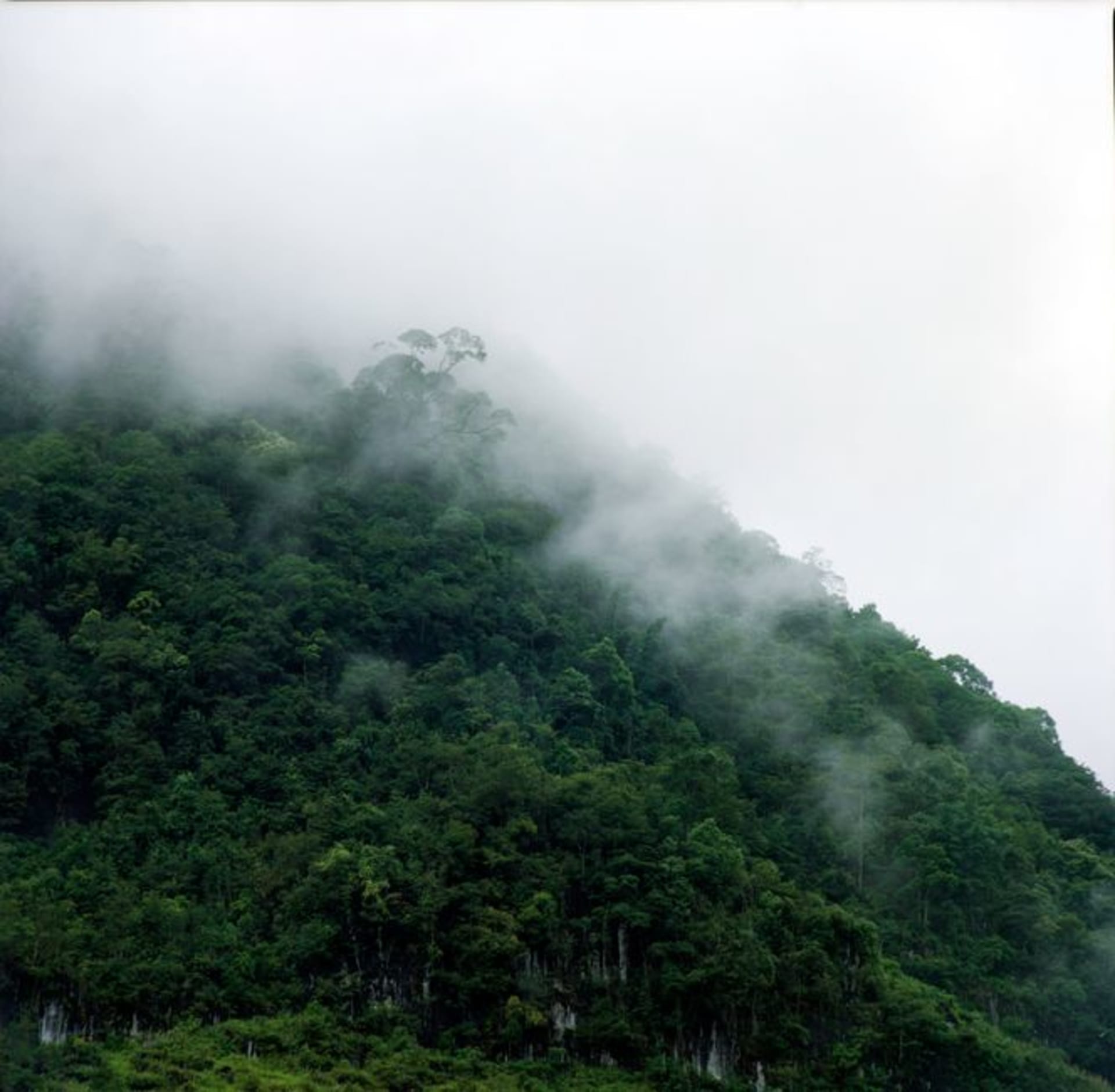
Mantadia National Park
"Andasibe gets the crowds and the indri calls. Mantadia, twenty minutes up the road, gets almost nobody and somehow more wildlife per hour."
Andasibe's wilder, steeper neighbor, a stretch of primary rainforest where diademed sifaka move through some of the tallest canopy in Madagascar.
Most visitors to this stretch of eastern Madagascar spend their time in Analamazaotra, the reserve immediately around Andasibe village, and treat Mantadia — a larger, steeper, more remote block of primary rainforest about twenty minutes further up a rough dirt road — as an optional add-on if time allows. I made the mistake of nearly skipping it on a tight schedule, and I’m glad a fellow traveler talked me out of that plan the night before.
Steeper, Wetter, Wilder
The road into Mantadia alone tells you something has changed — a rutted track that our four-wheel-drive handled only barely, climbing through hills noticeably steeper than the gentler terrain around Andasibe. Once inside, the forest itself feels different in scale: taller canopy, denser undergrowth, fewer of the maintained boardwalk sections that make Andasibe’s main trails accessible to nearly anyone. My guide, Solofo, moved carefully and quietly here in a way that felt distinct from the more routine pace of an Andasibe walk, treating the terrain and the wildlife both with a bit more respect for their unpredictability.
The Sifaka in Full Color
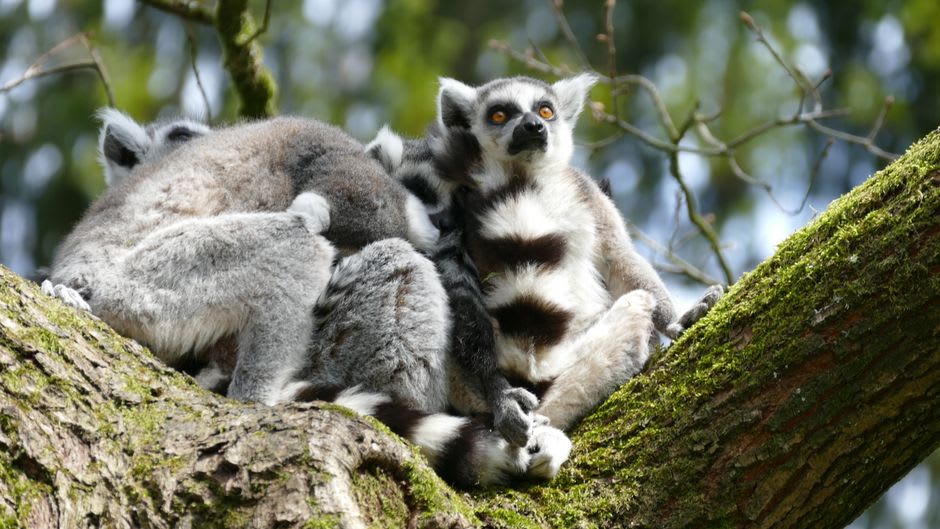
Mantadia’s signature animal is the diademed sifaka, widely considered one of the most strikingly colored lemurs in Madagascar — a coat mixing black, white, orange, and grey in a pattern that looks almost deliberately painted on. Solofo found a family group within the first hour, moving through mid-canopy with the characteristic sifaka leap-and-cling style, and the color contrast against the deep green forest was the kind of thing that made me stop taking photos for a minute and just watch instead, aware that the moment wouldn’t repeat itself on demand.
Waterfalls With No Crowd
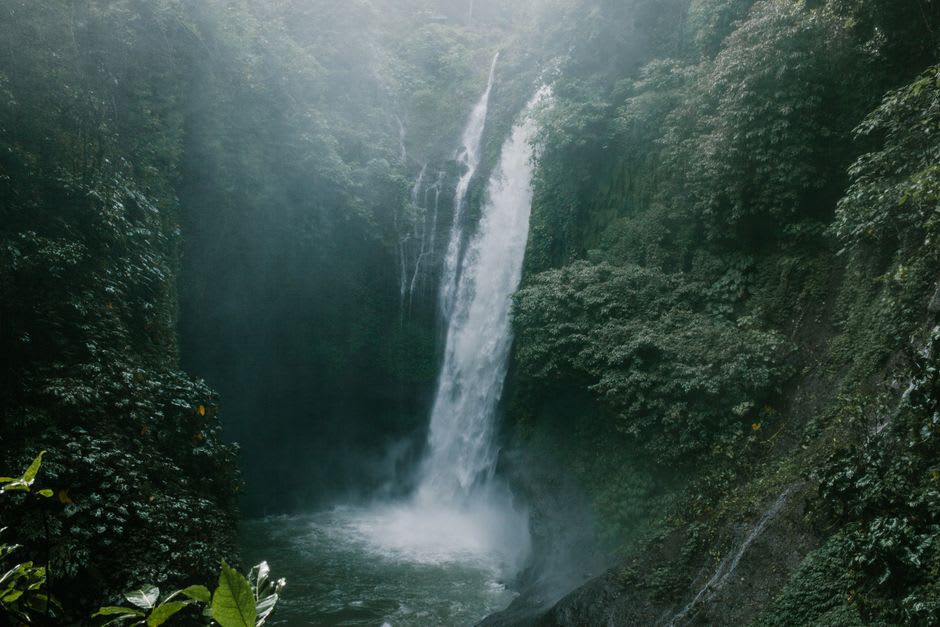
A side trail leads to a set of cascades tumbling through boulder-choked forest, considerably less visited than the falls near Andasibe, and we had the entire spot to ourselves on a weekday morning — cold, clear water dropping through multiple tiers into pools ringed by moss and tree fern, loud enough that conversation required raising your voice. I dipped my feet in and immediately understood why nobody was swimming properly; the water was startlingly cold even in the midday heat.
Mantadia asks more of you than Andasibe does — a rougher road, fewer amenities, a bit more physical effort on uneven trails — but the payoff, in terms of both the scale of the forest and the density of wildlife we found without another group in sight, made it feel like the more genuine version of the experience Andasibe is more famous for.
When to go: April through November for passable roads into the park; the track becomes significantly harder after heavy rain, so check conditions locally before setting out.