Sculpted sandstone massifs, natural swimming pools, and ring-tailed lemurs in the island's wild heart.
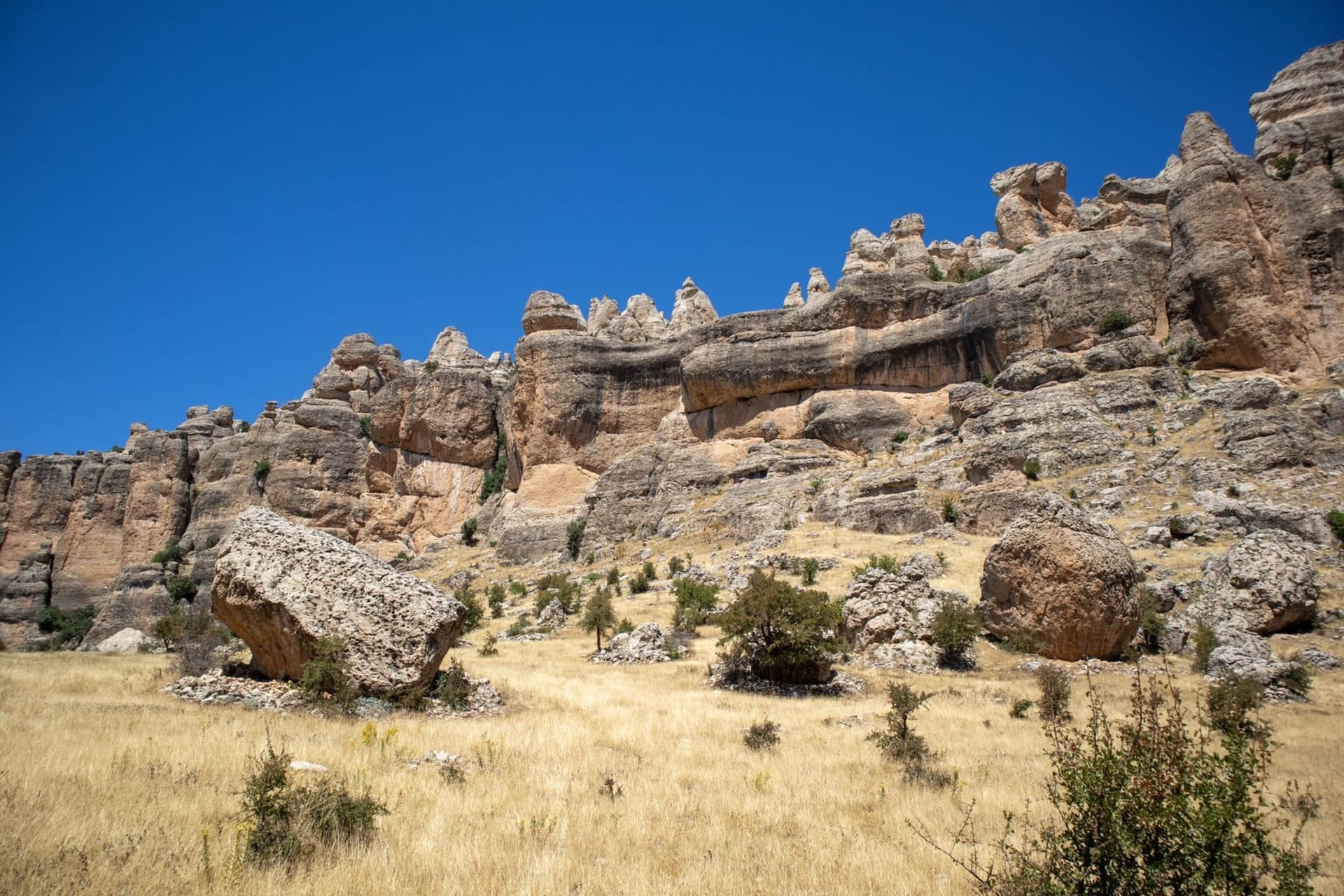
The road from Ranohira into the park is where the landscape stops making apologies. The massif of Isalo rises without preamble from the surrounding plains of the Ihorombe Plateau — a ruined geology, all shattered towers and wind-carved arches in ferrous red and ochre that shift to violet as the afternoon lengthens. I had seen photographs. They were not wrong, exactly. They had simply failed to include the silence.
Into the Canyons
The main hiking circuits depart from the Ranohira entrance and push into a system of deeply incised gorges called the gorges du Namaza. The trail down into them is steep enough that you use your hands in places, gripping exposed roots, and then the walls close around you and the temperature drops by ten degrees and you are somewhere genuinely other. The rock is Jurassic sandstone, soft enough to have been worked by ten million years of rain into shapes that look intentional — buttresses, portholes, overhangs that drip water even in the dry season. The river at the bottom runs clear over white sand, and the light that reaches it arrives in narrow columns, amber and particulate, the way light behaves inside cathedrals.
Lia was ahead of me when we reached the natural pool known locally as La Piscine Naturelle, and I heard her laugh before I saw it — a deep turquoise basin in the canyon floor, fed by a small waterfall, the water cold enough to make the lungs tighten on entry. We swam there for longer than we planned. A pair of ring-tailed lemurs watched us from a ledge above, magnificently indifferent, their striped tails hanging down like decorative rope.
What I Did Not Expect
I had come for the geology. I had not come for the Pachypodium, and I was unprepared for how strange they would be — succulent trees with swollen silvery trunks and a crown of leaves that appears each wet season and vanishes again, leaving something that looks less like a plant than like a monument someone abandoned half-finished. They grow directly from the rock faces throughout the park, and their improbability becomes, after a day, entirely ordinary.
The unexpected encounter happened near the Canyon des Makis on our second afternoon. We had doubled back on a side trail following a guide named Haja, who had grown up in Ranohira and knew the massif in the way people know things they learned before they knew they were learning them. He paused at a section of cliff face and pointed to a series of small painted figures — funeral signs from the Bara people, who have been burying their dead in the natural caves of the massif for centuries. These are not ruins in the museum sense. They are active. There are fresh offerings: coins, pieces of cloth. The dead and the living share the same rock, and Haja spoke about this matter-of-factly, the way you speak about something that has always been true.
The Light at the End of the Day
Isalo’s most reliable spectacle costs nothing and requires only patience. In the hour before sunset, the western faces of the massif catch the light at a low angle and the sandstone becomes something close to incandescent — pinks deepening into red into a dark burnt orange that holds for twenty minutes and then is gone entirely, leaving blue rock in blue shadow. We watched this from the terrace of our bungalow at a small lodge outside the park boundary, both of us without words for a few minutes, which is the best review I can give anything.
When to go: May through October, during Madagascar’s dry season, when the canyon trails are passable and the sky is reliably clear. April and November are shoulder months with unpredictable afternoon rain; avoid December through March entirely, when flash flooding closes most of the gorge circuits.