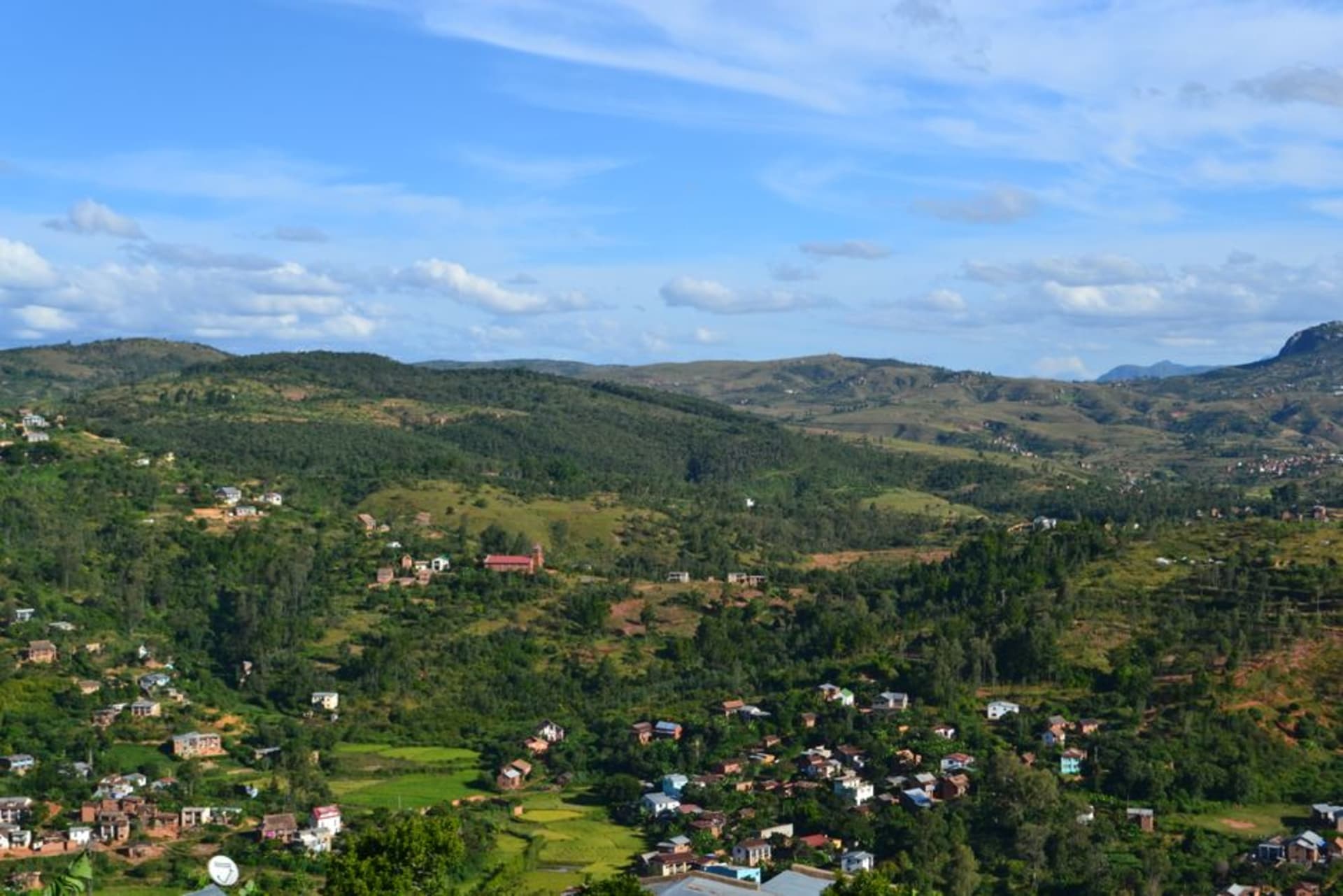
Fianarantsoa
"I did not expect to be drinking Malagasy red wine on a hillside in the middle of Madagascar. I did not expect to like it."
A hillside university town in the southern highlands, home to Madagascar's small, surprising wine industry and a rattling old colonial railway.
Fianarantsoa arrives on the road south from Antsirabe as a genuine surprise of scale — a proper hill city, its old quarter, Haute Ville, climbing a steep ridge in narrow stone lanes and colonial-era churches, overlooking a modern lower town that sprawls out along the valley floor. Most travelers pass through on the way to Ranomafana or the coast, giving it at most a night. I gave it three, mostly because of what I found on the hills just outside town.
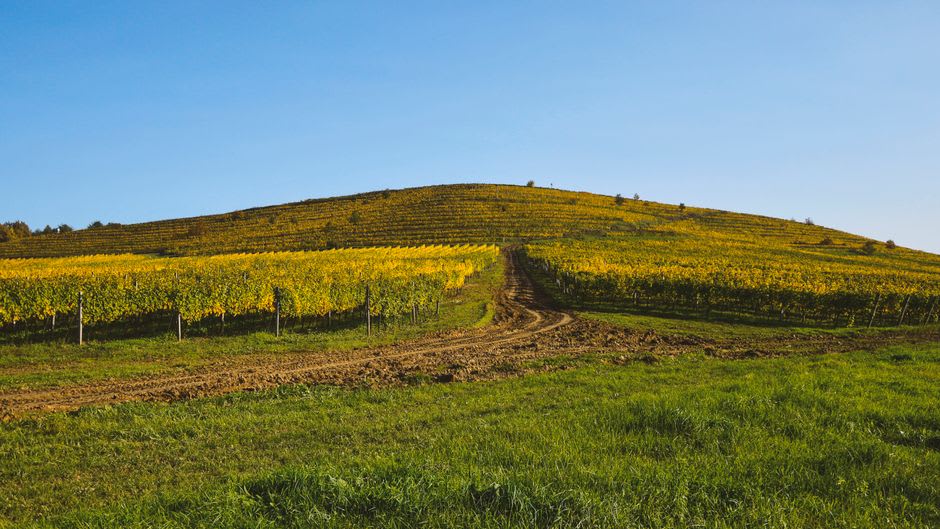
Wine at 1,200 Meters
The area around Fianarantsoa, and specifically the smaller town of Isandra nearby, has grown grapes since French missionaries introduced vines in the late nineteenth century, and a handful of small producers still make wine here today at an altitude and latitude that has no business, on paper, supporting a wine industry at all. I visited a small family-run vineyard where the owner, a man in his sixties named Randria whose grandfather had planted the original vines, poured me a rough but genuinely drinkable red made from a local grape variety I’d never heard of and have since forgotten the name of entirely. It wasn’t going to win awards in France. It was, in its own unpretentious way, completely charming, and I bought three bottles I mostly regretted not buying more of by the time I’d finished the first.
The Train That Takes All Day
Fianarantsoa is also the starting point for one of Madagascar’s last functioning colonial-era railways, a slow, single-track line down to the coastal town of Manakara that takes the better part of a full day to cover barely 160 kilometers, stopping at seemingly every village along the route so vendors can sell fruit, bread, and grilled corn through the open windows. I didn’t ride it the full distance — my schedule didn’t allow it — but I walked the tracks near Fianarantsoa’s own station, an elegant, slightly decaying building that felt like a monument to a slower, more patient version of travel that mostly no longer exists.
Haute Ville at Dusk
The old town itself rewards an aimless evening walk more than any specific sight — narrow lanes between whitewashed stone houses, a scatter of churches built by competing missionary orders in the nineteenth century, kids playing football in a courtyard barely large enough to contain the game. I climbed up to the cathedral at dusk and watched the lower town’s lights come on gradually beneath me, the whole valley filling with a soft amber glow as the last of the daylight went out of the sky.
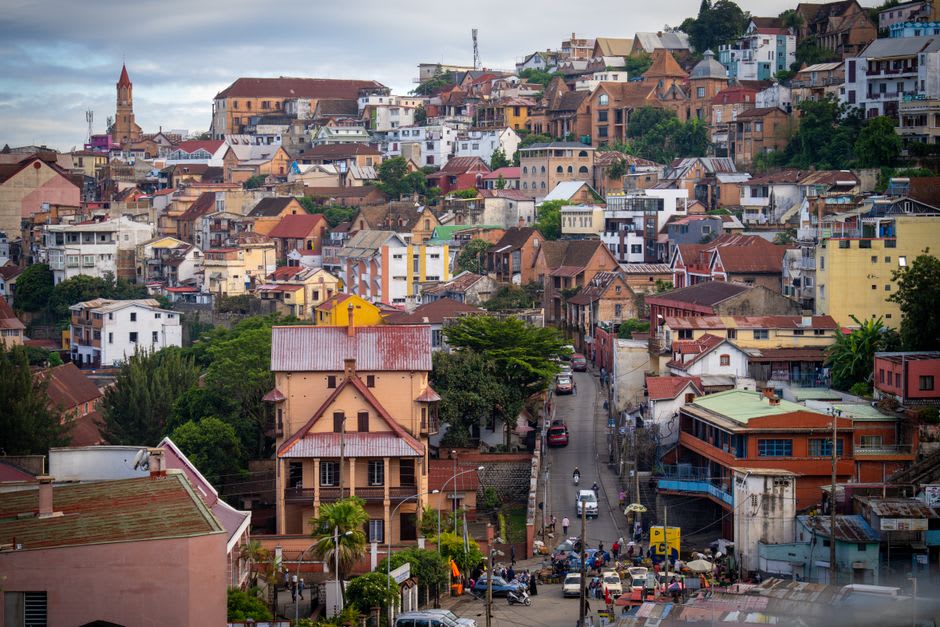
There’s a lived-in, unhurried quality to Fianarantsoa that I hadn’t expected from a city its size — university students filling the cafés, a real wine culture tucked into the surrounding hills, and a train station that seems to measure time in a completely different unit than the rest of the country.
When to go: April through October for clear highland weather and the best conditions for the Fianarantsoa–Manakara train journey. Highland nights get cool year-round.