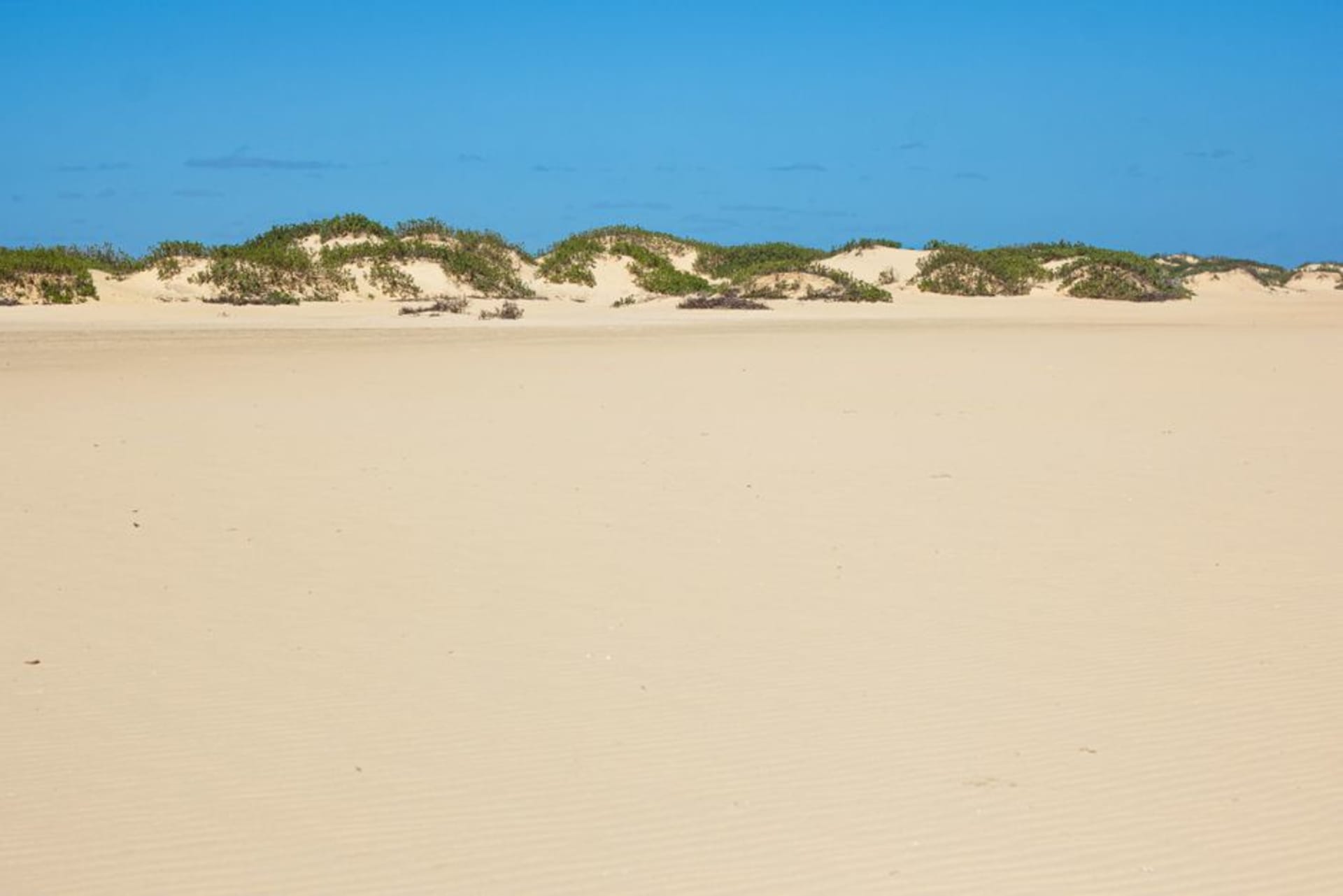
Anakao
"There's no road in. You arrive by boat or you don't arrive at all, and that fact changes everything about the place."
A boat-only village south of Toliara where sand dunes meet the sea and Vezo sailors still work entirely under canvas.
There’s no road connecting Anakao to Toliara, not a bad one, not a slow one — none. You get there by motorized pirogue across a stretch of open water that takes about an hour and can turn genuinely rough if the wind’s up, which mine was, enough that I arrived a little salt-crusted and windblown and grateful to step onto solid sand. That isolation is the whole point. Anakao has stayed small and Vezo-run precisely because nothing about reaching it is convenient.
A Village Built Around Sailing
The Vezo, one of Madagascar’s traditional seafaring peoples, have fished this stretch of coast under sail for generations, and Anakao’s beach each morning is a working demonstration of that — dozens of narrow outrigger pirogues rigged with hand-sewn canvas sails, launching directly through the surf with a coordinated shove-and-leap technique that looked, the first time I watched it, more like a stunt than a daily commute. I asked a young fisherman named Soja how long it took to learn to launch a pirogue like that without capsizing, and he laughed and said he genuinely couldn’t remember not knowing how, which felt like the most honest possible answer.
Dunes Instead of Cliffs
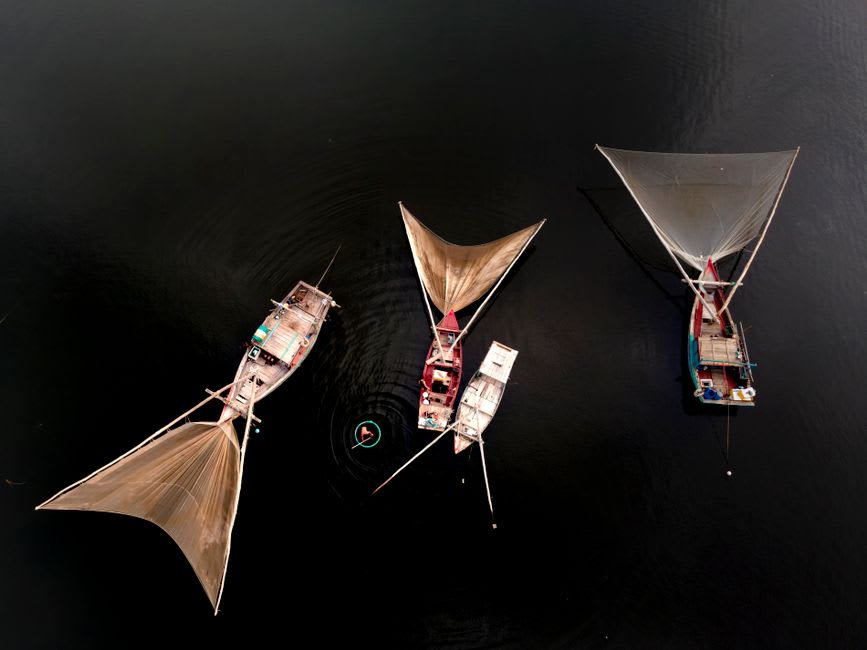
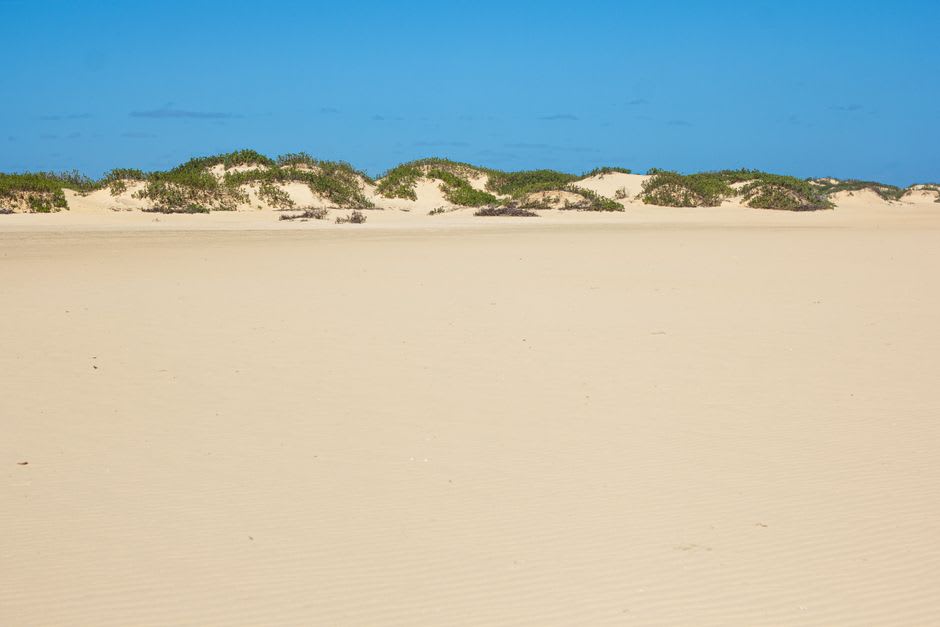
Behind the village, a run of pale sand dunes rises steeply enough to require real effort to climb, and the view from the top — village and reef on one side, scrubby desert interior on the other — is worth the sweat and the sand that gets into every article of clothing you’re wearing. I climbed at sunset, which in retrospect was the wrong time given the crowd of other travelers with the same idea, but the light going flat orange over both the dunes and the water made the shared moment feel less crowded than it technically was.
Nosy Ve and the Reef Beyond
A short boat ride from Anakao, the small island of Nosy Ve holds a nesting colony of red-tailed tropicbirds and a reef that, while less protected than Nosy Tanikely’s, offers similarly clear water and an easy half-day of snorkeling. I went out with the same boat operator who’d brought me from Toliara, and we anchored for a couple of hours over a coral patch busy with parrotfish and a resident population of clownfish that seemed entirely unbothered by our presence.
Back on the beach that evening, I ate grilled calamari at a small lodge restaurant lit by kerosene lamps — the generator ran only a few hours a night — and listened to two fishermen a table over debate, in rapid Malagasy I couldn’t follow but could clearly tell was heated, something about the day’s catch prices. Anakao runs on its own rhythm, dictated by tide and wind rather than by any schedule imported from elsewhere, and three days there left me oddly reluctant to get back in the boat for the crossing home.
When to go: April through November for a manageable boat crossing from Toliara; the channel gets rough in cyclone season and crossings can be canceled outright.