Ambalavao
"I've never seen that many horns in one place, and I've never heard that much shouting achieve so little apparent progress."
A highland market town famous for its weekly zebu cattle market and the handmade Antaimoro paper still pressed with real flowers.
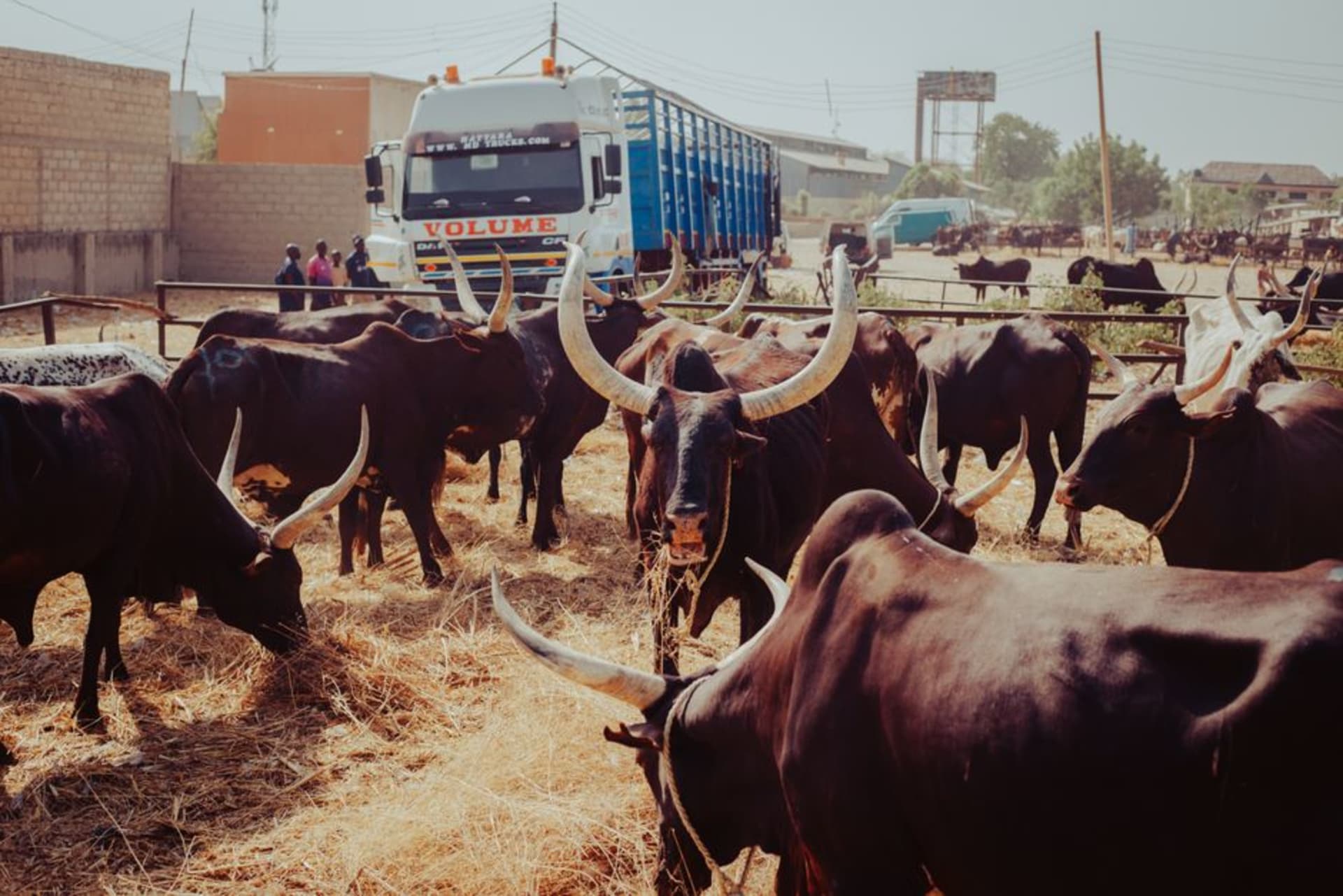
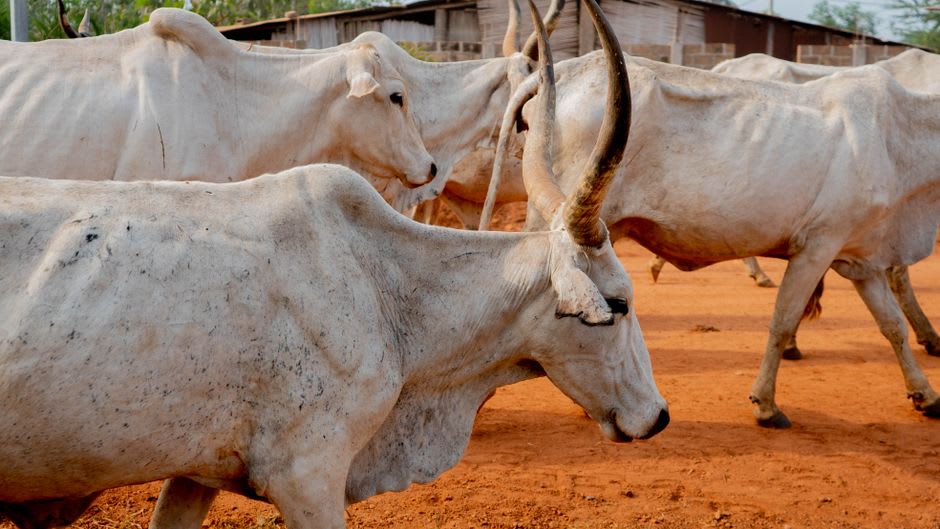
Ambalavao is a small, unremarkable-looking highland town most of the week, its main street lined with modest shops selling farm tools and dry goods, and then on Wednesday it becomes one of the largest and loudest cattle markets in Madagascar, drawing zebu herders from across the southern highlands to a dusty open ground on the town’s edge that holds, on a busy week, several thousand animals at once.
Wednesday at the Zebu Market
I arrived just after dawn, when herders were still walking cattle in from villages that had set out the previous evening to make the distance on foot, dust rising in a haze thick enough to color the early light orange. The market itself defies easy description — zebu tethered in loose clusters by owner or by intended buyer, horns interlocking in the crush, herders in wide conical hats moving between them shouting prices and counter-offers in a rhythm that seemed to have its own internal logic I never quite decoded. A middleman named Georges, noticing me standing bewildered at the edge of it all, walked me through the basics: how a zebu’s hump size and horn shape factor into price, how disputes get settled, why some animals wore small bells and others didn’t. It was, by any measure, one of the most sensorially overwhelming mornings I had anywhere in Madagascar.
Paper Made With Flowers Still In It
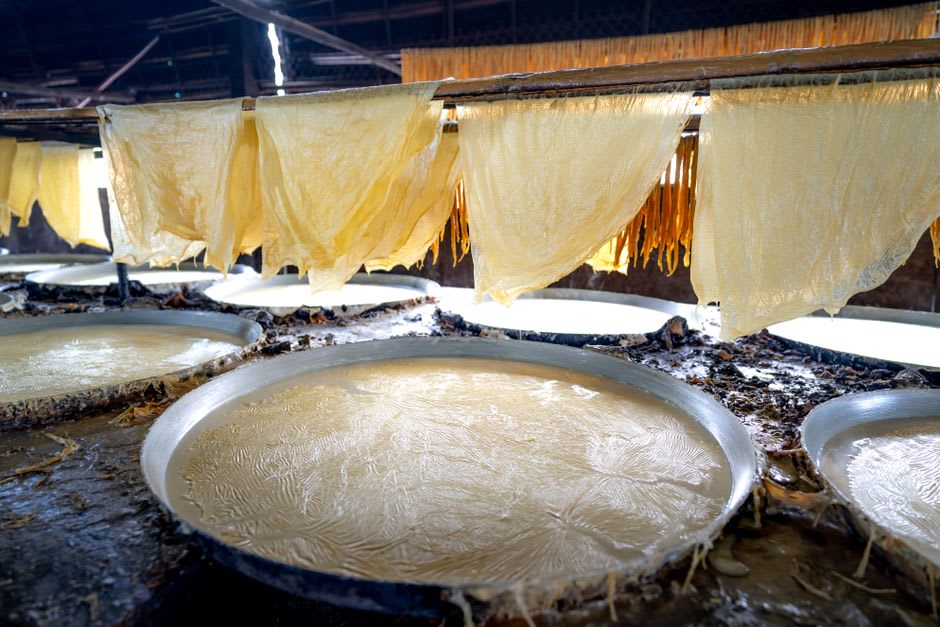
Ambalavao is also the center of Antaimoro papermaking, a craft brought here generations ago that presses dried flowers and leaves directly into handmade paper pulp before it sets, producing sheets that read almost as botanical specimens as much as writing surfaces. I visited a small family workshop where a woman named Voahangy showed me the entire process — bark pulp beaten by hand, spread thin across a screen, then covered with a careful arrangement of bougainvillea petals, ferns, and small yellow blossoms before a second layer of pulp sealed it all in. She let me try arranging a sheet myself and diplomatically avoided commenting on how much worse mine looked than hers.
Betsileo Villages on the Way Out
The countryside around Ambalavao is Betsileo territory, known even by Malagasy standards for exceptionally skilled rice terracing, and the drive toward Andringitra passes through valley after valley of impossibly steep, perfectly stepped green paddies climbing hillsides that look almost too steep to farm at all. I stopped at a roadside stall for grilled corn and watched a farmer working a terrace with a hand plow and a single zebu, a scene that felt, watching it from the shoulder of the road, largely unchanged from how it must have looked a century ago.
I left Ambalavao with three sheets of flower paper rolled carefully into my bag and a lingering mental image of that market — the noise, the dust, the sheer density of animals and negotiation — that has stuck with me longer than most of the more conventionally scenic stops on the same trip.
When to go: Visit on a Wednesday for the zebu market at its full scale, arriving by mid-morning. April through November offers the most comfortable travel conditions on the surrounding roads.