
Olare Motorogi Conservancy
"I watched a lion for two hours without another vehicle. I hadn't realized that was possible."
When the lion stopped walking and sat down in the middle of the track to clean himself, we stopped too, and for the next twenty minutes there was nothing between us and him but fifteen meters of morning air. No other vehicles. No murmur of other engines. Just the lion, methodical and indifferent, working through his ablutions in the pale early light, and my own breathing, which I was trying to keep very quiet. I had been on game drives in the main reserve where a single lion sighting drew twelve vehicles into an instant parking lot, cameras clicking like rain on a tin roof. In Olare Motorogi, the regulations strictly limit both the number of vehicles and the camps, and the effect on the quality of an encounter is almost impossible to overstate.
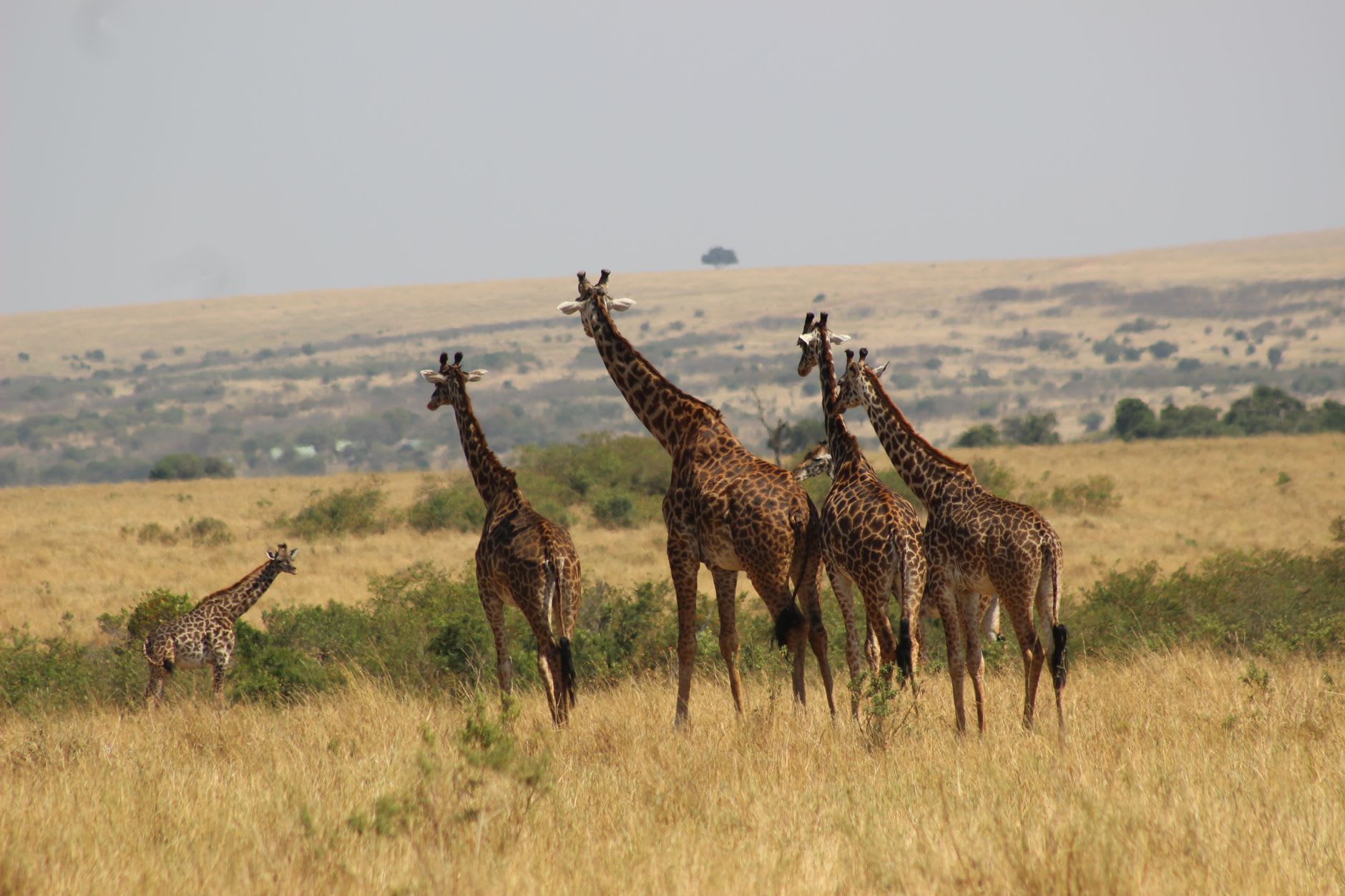
Olare Motorogi sits on the northern boundary of the main reserve, a patchwork of Maasai community land that has been leased into conservation use, and the two sections — Olare and Motorogi — function as a single ecosystem corridor. The terrain shifts here in ways that keep it interesting: the short-grass plains of the classic Mara give way to more varied terrain, with drainage lines thick with whistling thorn and rocky outcrops where kopjes break the skyline. The kopjes are leopard country, and this conservancy has a concentration of leopards that makes it genuinely different from the more open sections of the ecosystem.
I spent three nights here in a camp so low-impact it felt almost like sleeping in the bush rather than beside it — a few canvas tents set back from a dry riverbed, bucket showers heated by fire, oil lamps at dinner. The food was camp food elevated past what it needed to be: a pumpkin soup so thick a spoon could stand in it, grilled tilapia with a ginger relish, passion fruit tart that arrived at the table still warm. Eating by lamplight with the sounds of the bush arriving uninvited through the canvas, you feel the particular pleasure of being somewhere that has made no compromises with comfort but also has not confused comfort with luxury.
The night drives here — permitted because it’s a private conservancy rather than the national reserve — are their own revelation. Aardvark trundle across the track. Genets flow along fence posts. Spring hares bound through the beam in parabolic arcs that look physically improbable. And once, on the last night, a serval cat sat perfectly still in the grass at the track edge, its outsized ears swiveling independently, its spotted coat so precise it looked like something drawn rather than evolved.
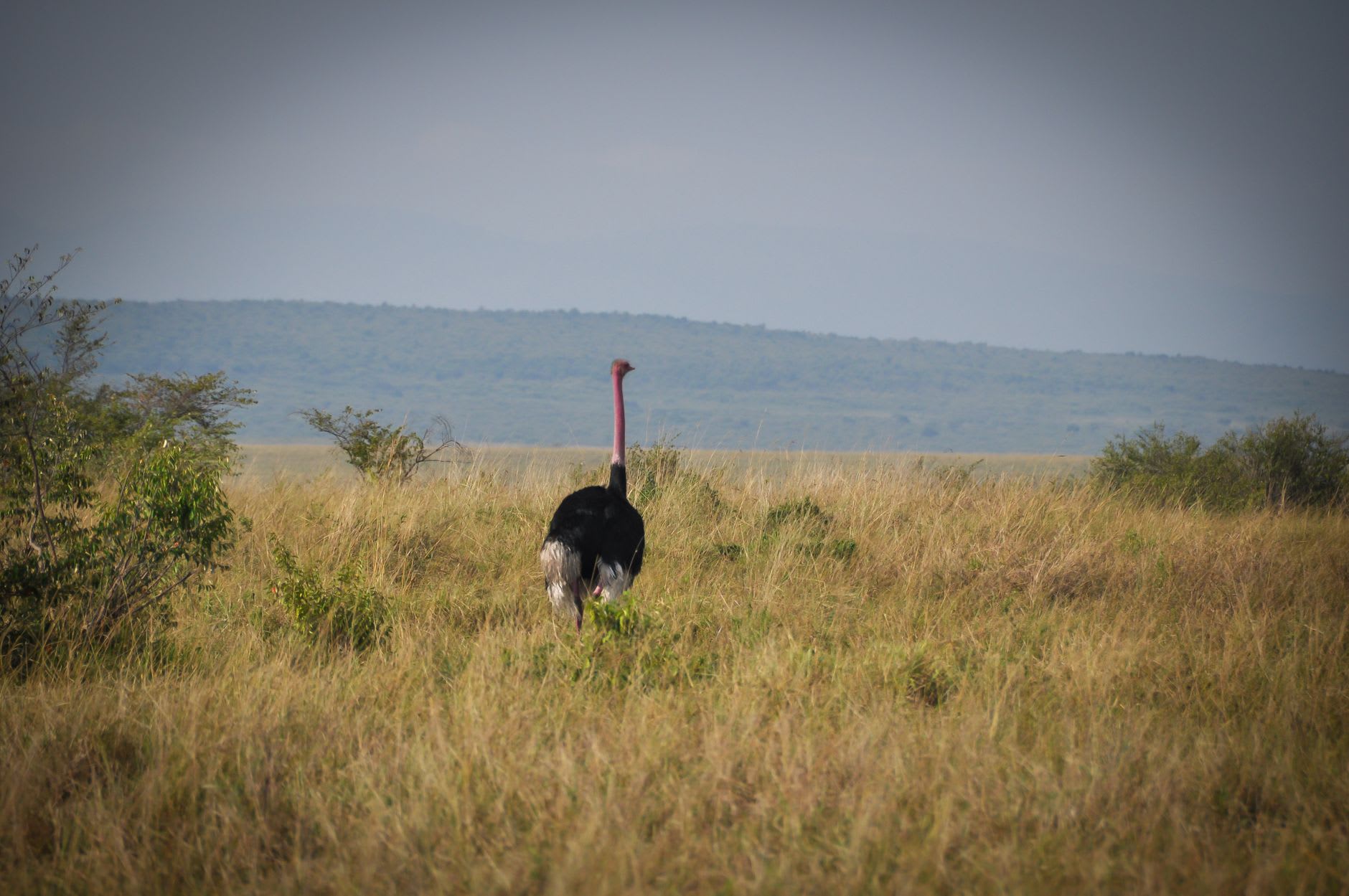
When to go: Year-round. The conservancy’s controlled vehicle numbers mean quality encounters in all seasons. The dry months (July–October) bring the Migration through the adjoining reserve boundary and offer reliable big cat sightings. The green season brings extraordinary birdlife and the spectacle of the landscape in full color.