I found the Lemek Valley by accident — or rather, by taking the wrong turn off the main road between Narok and the reserve and then deciding that the wrong turn was more interesting than the right one. The valley opens up north of the Mara ecosystem’s formal conservancy boundaries, a wide agricultural and pastoral basin where the grass is greener than in the reserve because it gets more rain and nobody burns it on a management schedule. Maasai homesteads sit at intervals in the valley — scattered, low, the thorny boma walls encircling them — and the cattle here are not the tourist-infrastructure cattle you see near the camps but working animals in serious pastoral use.
What struck me first was the coexistence of the mundane and the extraordinary happening simultaneously and without comment. A Maasai woman walking along the track with a plastic jerrycan of water on her head, a phone pressed to her ear. Behind her, a hundred meters off the track, a giraffe eating from a flat-topped acacia. Nobody photographed the giraffe. The giraffe didn’t notice anyone. The woman was talking about something else entirely. I thought about how much of the wildlife in East Africa we encounter as managed spectacle, framed and presented, and how different it is to see an animal that is simply a fact of someone’s landscape.
The valley has a school — a low building under a stand of eucalyptus where the shade is noisy with children at midday — and a small health clinic that serves communities spread over many kilometers of difficult road. I stopped at a kiosk near the school for a cold Fanta and a packet of groundnuts, and spent forty minutes sitting on the step talking, with difficulty and goodwill, to a man named Moiko who had worked as a safari guide for seven years and returned to the valley to farm and help with his family’s livestock. He was not nostalgic about the work. The hours were better now, he said, and he could see his children.
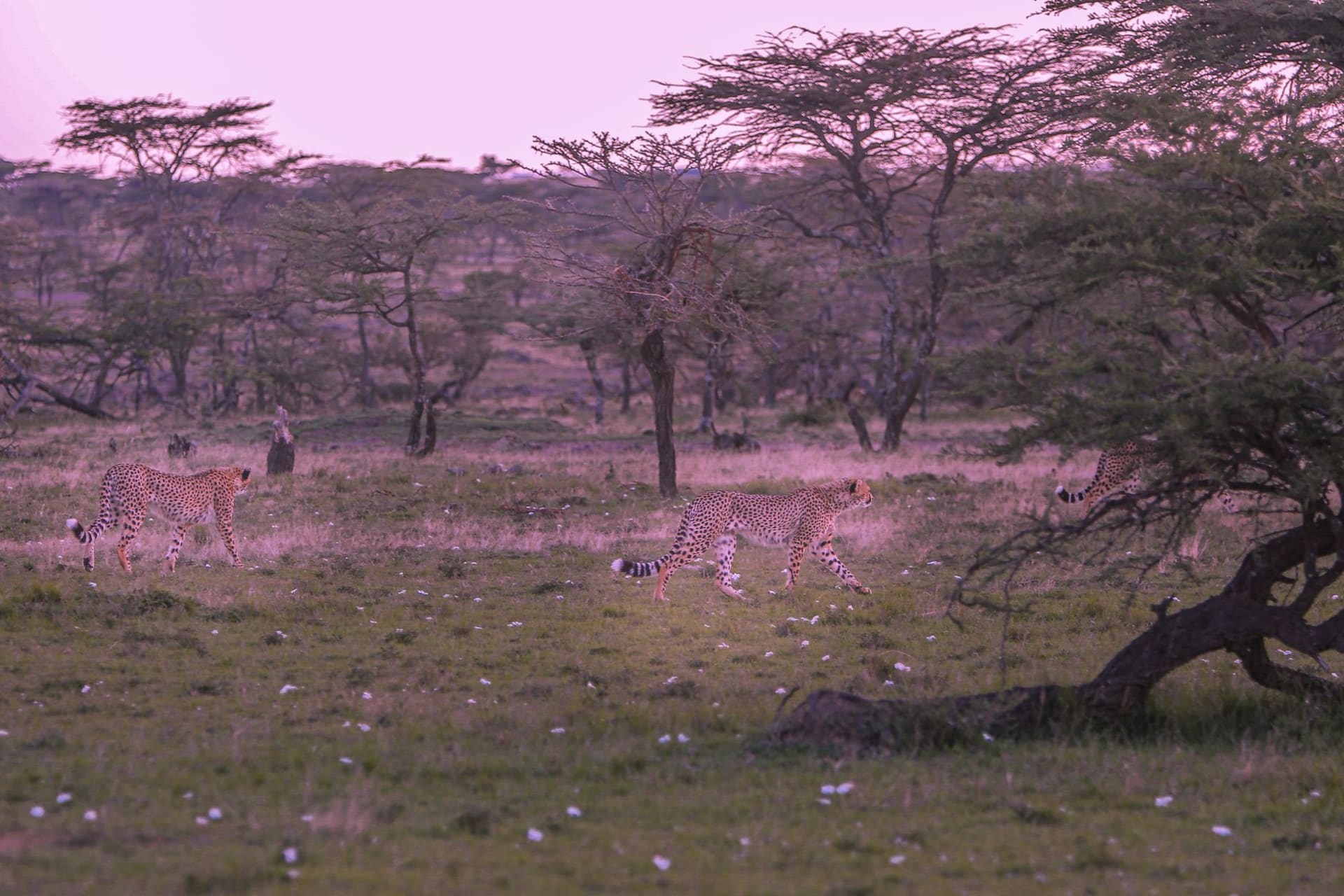
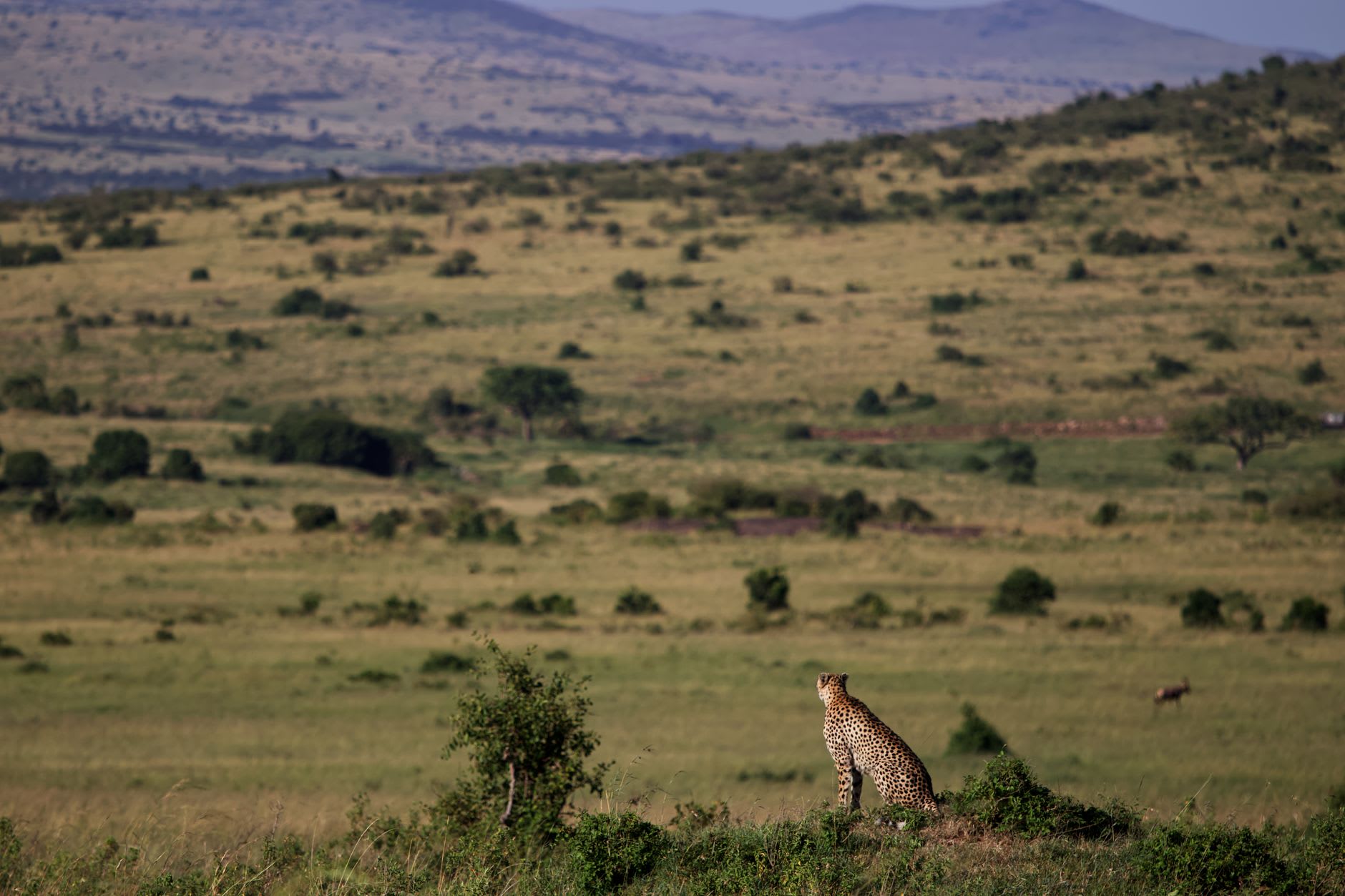
The wildlife in Lemek is not packaged. Zebra, wildebeest, and impala pass through year-round, following the seasonal grass, and during the Migration the valley can fill with animals in transit between the reserve and the northern rangelands. Elephants come through the valley regularly at night — I heard them and found their footprints the next morning, saucer-wide in the soft soil near a lugga — and the pastoral families manage the coexistence with methods both traditional and practical.
When to go: The Lemek Valley is most beautiful in April and May when the long rains have turned everything green, and it’s most dramatic in August when the Migration animals spill north through it. It’s a detour, not a package — worth adding a day or half-day for anyone who wants to see the Maasai Mara ecosystem through non-safari eyes.