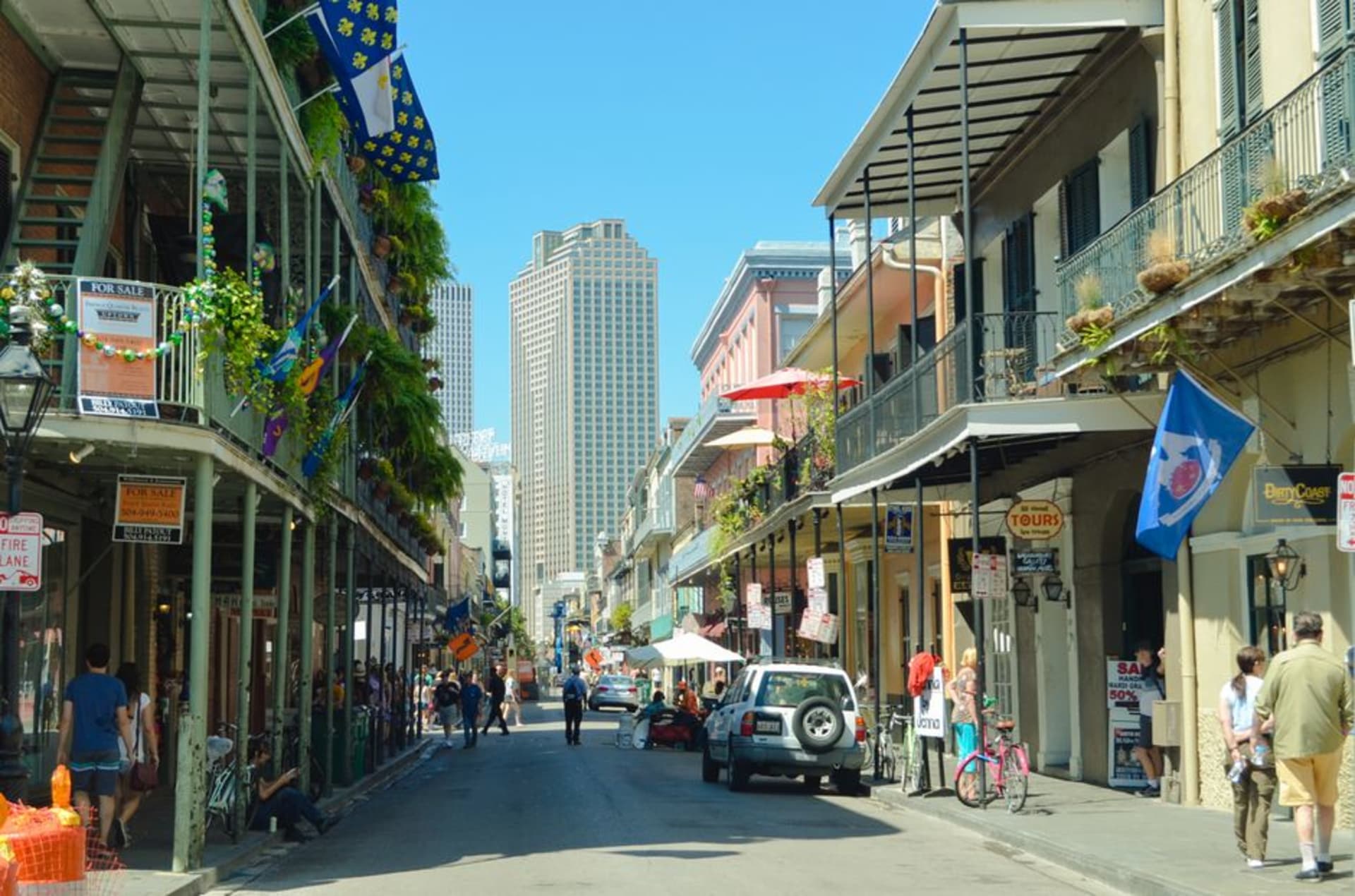
St. Francisville
"Louisiana finally slowed down for us here, on a bluff where the river can't reach."
A bluff-top town above the Mississippi where formal gardens, Audubon's birds, and a Civil War truce still linger in the air.
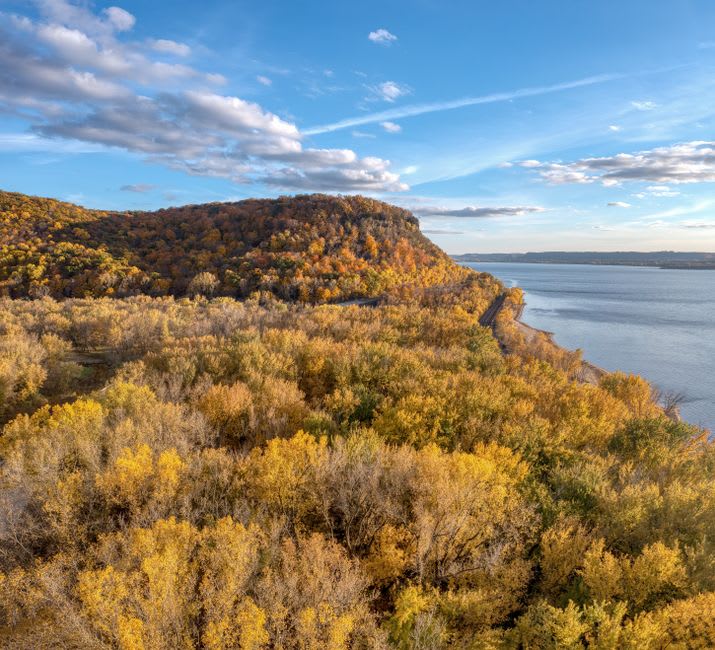
We came up to St. Francisville after two weeks of flat, humid lowlands, and the first thing I noticed was that my ears popped a little as the road climbed the bluff. It sounds small, but after so much of Louisiana spent at river level, that little rise felt like the town was standing on its toes to keep dry. Lia pointed out that this was probably no accident — West Feliciana Parish sits high enough above the Mississippi that it missed the worst of the flooding that shaped how the rest of the state got settled. It gives St. Francisville a different temperament: quieter streets, older buildings that never had to be rebuilt after a flood, a sense of having been left alone by the river it overlooks.
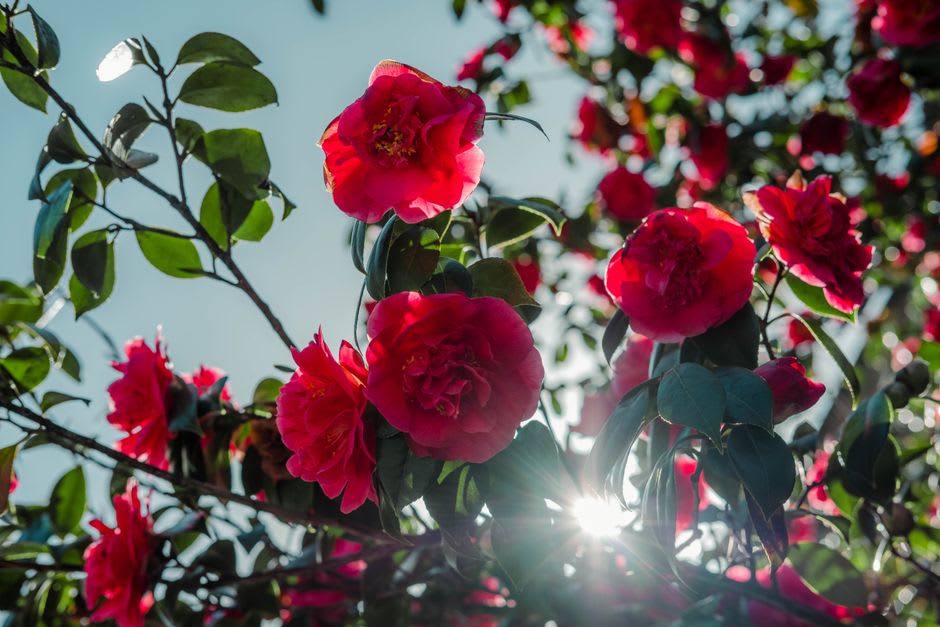
The reason we’d actually driven up was Rosedown Plantation, and I’ll admit I went in skeptical about another plantation garden. I was wrong to be. Built in 1835, the grounds are still laid out with the kind of formal precision — clipped allées, camellia beds, a live oak canopy you walk through like a hallway — that made me stop talking for a solid ten minutes, which Lia will tell you never happens.
What stayed with me longer, though, was Oakley Plantation, just outside town, where John James Audubon lived for a few months in 1821, tutoring the daughter of the house and, in whatever hours were left, sketching the birds that would end up in Birds of America. Standing in those upstairs rooms, I kept thinking about how much of that enormous, obsessive body of work started here, in a place this modest, this specific. We also stopped at the site tied to the Days of Jubilee, the strange, humane pause in the Civil War when Union and Confederate forces called a truce just to bury a fallen commander together. Lia and I sat on a bench there afterward, not saying much — some places in Louisiana ask you to talk, and some ask you to be quiet.
When to go: We’d push you toward spring, when Rosedown’s azaleas and camellias are at their fullest — the whole garden turns pink and white almost overnight, and it’s worth timing a trip around.