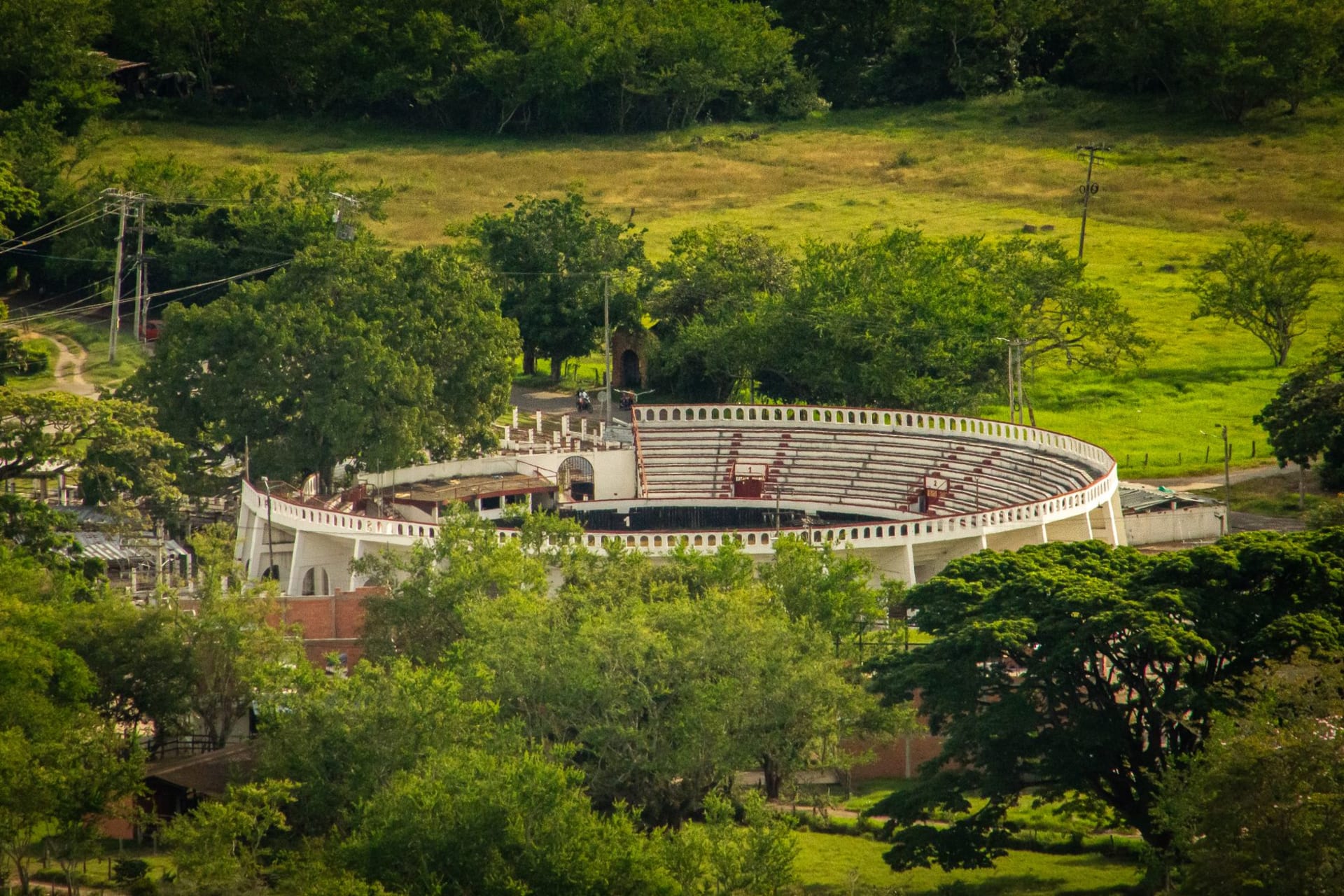
Guasdualito
"Border towns always have an energy that other places don't — a sense that the rules being followed are slightly different ones."
I reached Guasdualito on a morning when the Arauca River was running fast and brown from rains that had fallen somewhere upstream in Colombia, and the ferry across to the Colombian side was operating on a schedule that the ferryman described as “según el agua” — according to the water. There was something fitting about this. Borders suggest a precision that nature refuses to observe, and the Arauca, which forms the international boundary for long stretches here, has always found its own interpretation of where Venezuela ends and Colombia begins. The town behind me had the buzzing, slightly lateral energy of places that exist because of their position at the edge of things.
Guasdualito is not a large city but it is a significant one in the context of the Apure Llanos — a commercial hub for the remote southwestern corner of the state, a crossing point for goods and people moving between the two countries, and a base for the cattle operations that run through this part of the plains. The main street holds a concentration of hardware stores, motorcycle repair shops, pharmacies, and the kind of informal trading that happens in all border zones — Venezuelan goods going one way, Colombian goods coming the other, the exchange conducted with a casualness that suggests everyone involved has long since made their peace with the economic geography.
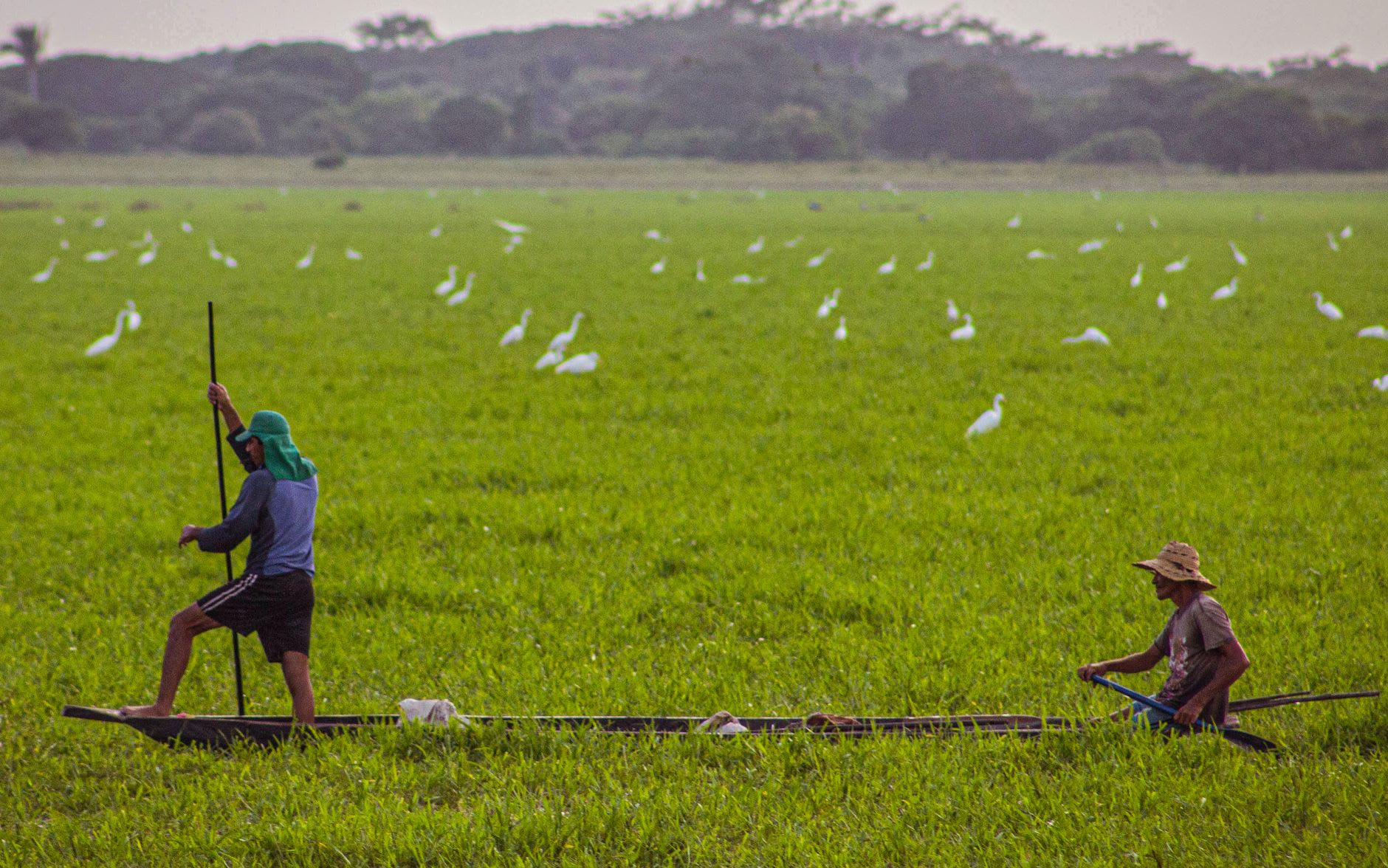
The river is the thing to go to. The Arauca at Guasdualito moves through the landscape with the authority of a river that knows it is carrying serious water — wide, muscular, opaque, flanked by riverside vegetation that leans over the current as if listening. Fishermen work it from dugout canoes in the early mornings, and the catch — payara, the vampiro fish with its upward-pointing fangs; laulao catfish of improbable size; the ubiquitous cachama — is sold directly off the boats on the bank in the first hour after dawn, weighed on a hanging scale and wrapped in newspaper with the speed of people who have done this every day of their adult lives. The smell of the riverbank at that hour, mud and fish and diesel and morning air, is the smell of the Llanos at work.
Wildlife along the Arauca and its tributaries near Guasdualito has not been packaged into a reserve experience, which means it appears in context — a giant river otter surfacing near a sandbar while a fisherman pulls in his net, a troop of howler monkeys in the riparian trees making their spectral early-morning sound while the town is still half asleep, caimans on sandbars in the middle of the river looking like misplaced geology. I hired a man with a boat to take me downstream for three hours one afternoon, and what I saw was not dramatically different from the managed hato experience in terms of species, but the framing was entirely different: animals in a working landscape, not a reserve, going about their actual lives in the way they always have.
The food in Guasdualito shows the Colombian influence clearly. Alongside the standard llanero beef and arepas, you find bandeja-adjacent dishes, the thick hot chocolate that Colombians prefer to the thinner Venezuelan version, and a style of arepa that is flatter and crispier than the Apure norm — cooked directly on the iron without being opened and stuffed. There are restaurants that serve both traditions simultaneously without seeming to find this unusual, which is as good a description of border culture as any.
When to go: The dry season (December–March) is when the roads from San Fernando to Guasdualito are at their most reliable. The journey takes roughly five to six hours on a good day and longer after rain; budget extra time and carry water. The border situation requires ongoing awareness — consult current advice before planning any crossing to the Colombian side, as the political and security situation along this stretch of frontier has changed multiple times in recent years.