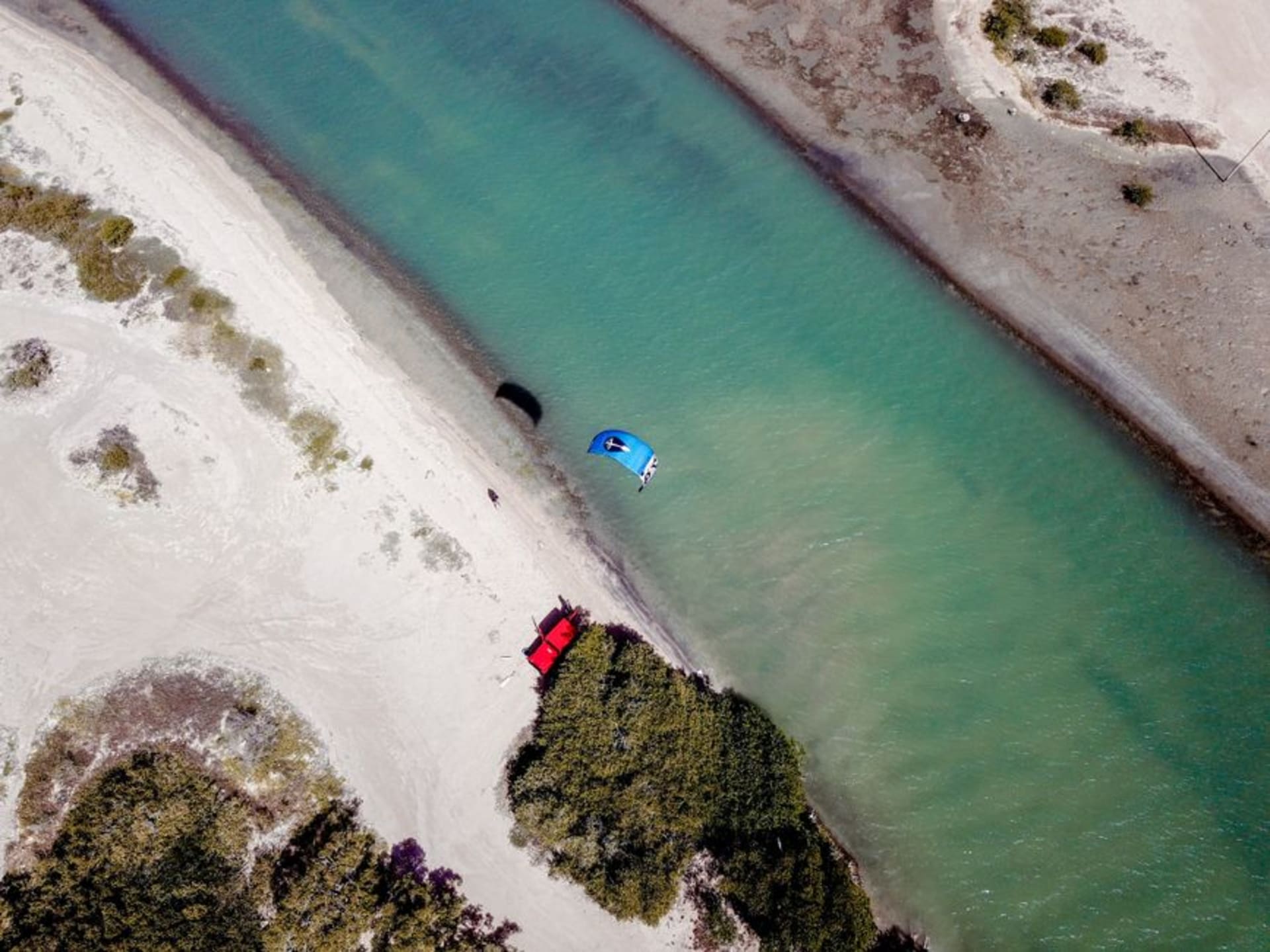
Capanaparo River
"I stopped counting crocodile eyes on the second night and just watched the water instead."
A wide, sand-banked river on the Colombian border where pink dolphins surface at dawn and crocodiles outnumber the boats.
We got to the Capanaparo the way most people seem to, after a long, bone-rattling drive south through Apure state, the last hour on a dirt track that turned our rental car the color of the llanos themselves. Lia had read that this stretch of river sits inside Santos Luzardo National Park, named after the hero of Rómulo Gallegos’s Doña Bárbara, and she spent the whole drive quoting bits of the novel at me like a tour guide who’d only read the first chapter. By the time we reached the ranger post near the river, established back in 1988, I understood why the name stuck. This was Doña Bárbara’s country long before it was a park boundary on a map.
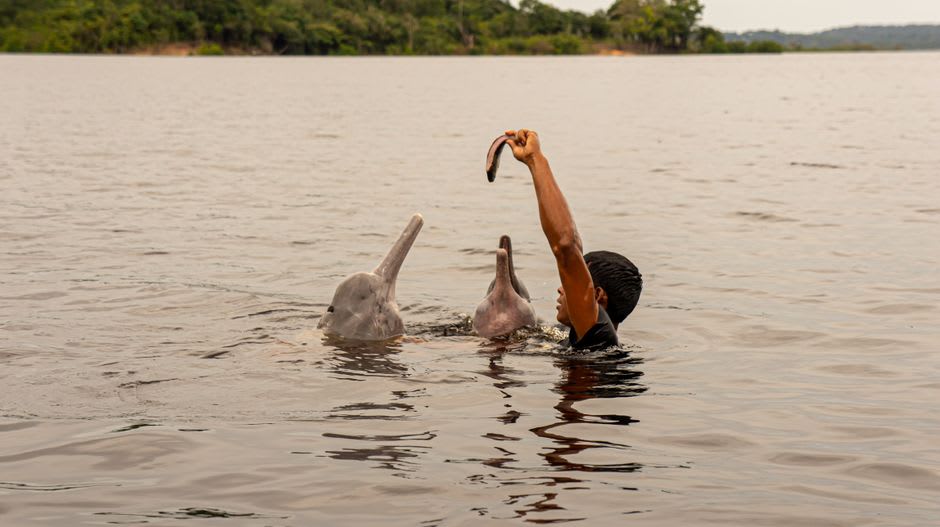
Our guide, a quiet man named Wilfredo who’d grown up in a nearby hato, poled us out onto the water in a wooden canoe just as the light was flattening into that early evening gold. The white-sand beaches along the banks glowed almost pink, and within twenty minutes he cut the small outboard and pointed at a patch of disturbed water. A pink river dolphin broke the surface, then another, rolling lazy figure eights around a submerged log. I’d seen photos of Amazon botos before but nothing prepares you for the color in person, that dusty rose looking almost artificial against the tea-colored river.
That night we camped on one of the sandbars, and Wilfredo warned us, almost casually, to keep our headlamps off the water’s edge unless we wanted to count eyes. I did it anyway, twice, and both times the beam found a string of orange dots along the shoreline, Orinoco crocodiles, some of them easily four meters long. He told us this stretch of the Capanaparo holds one of the last strong populations left in the country, and that giant otters den somewhere upstream, though we never spotted them despite scanning the gallery forest at every bend the next morning. I remember eating rice and grilled bagre by the fire and feeling very small and very lucky at the same time, Lia’s hand cold against mine in the desert-cool night air that follows even the hottest llanos days.
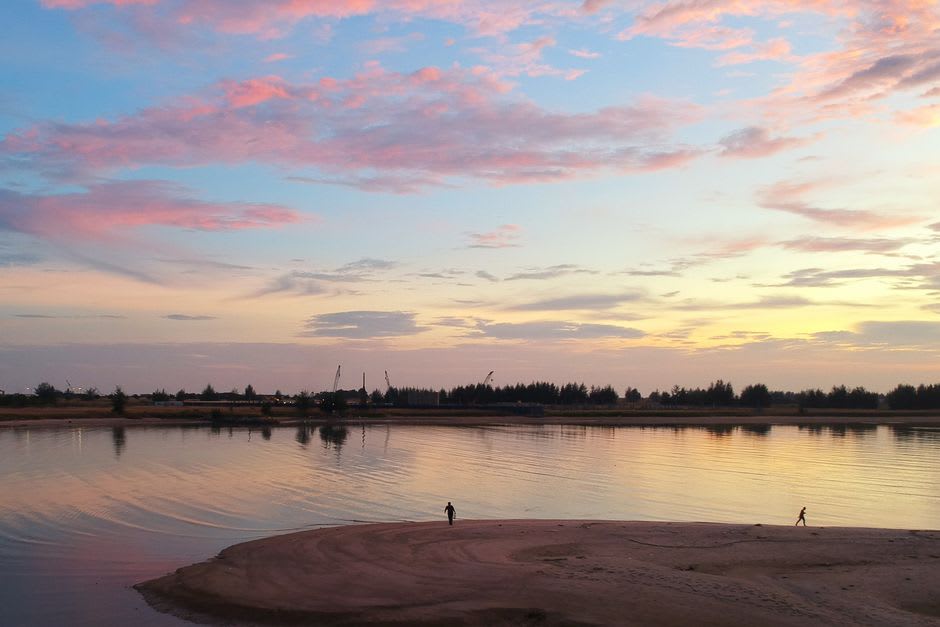
We left the following afternoon, sunburned and sand in everything we owned, already talking about coming back with better binoculars for the otters. The Capanaparo isn’t a place you visit so much as one you get quietly absorbed into for a couple of days, and I still think about the sound the canoe made pushing off that first sandbar.
When to go: Aim for December through April, the dry season, when the river narrows, the beaches widen, and the wildlife concentrates along the banks, giving you the best odds at dolphins, crocodiles, and everything else that gathers to drink.