Aguaro-Guariquito National Park
"Some places don't want visitors. Aguaro-Guariquito is one of them, and that's exactly why I couldn't stay away."
A vast, near-untouched floodplain sanctuary where Orinoco crocodiles and scarlet ibis still rule the wetlands of Los Llanos.
I’d heard about Aguaro-Guariquito long before I ever got close to it, mostly from a biologist we met at a posada near San Fernando de Apure who spent half his year doing crocodile counts inside the park. He was the one who explained why getting in isn’t as simple as showing up with a rental car: since 1974, this stretch of Guárico state — something like 5,850 square kilometers between the Aguaro and Guariquito rivers — has been kept as one of the strictest floodplain reserves in Venezuela, and access is deliberately narrow, mostly research teams and small guided groups who go through the right channels. Lia and I spent nearly two weeks arranging our visit through a contact of his, and I remember feeling almost nervous the morning we finally set off, like we were about to see something most people never get permission to see.
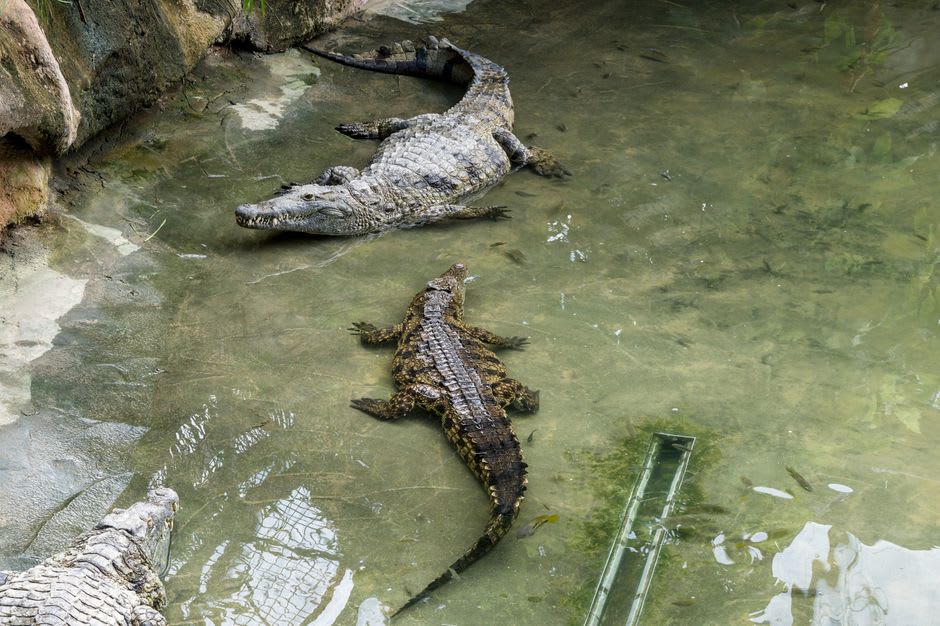
What struck me first wasn’t the wildlife, it was the silence, that particular quiet of Los Llanos wetlands with nothing but wind through the grass and, occasionally, the low grunt of a capybara somewhere out of sight. We spotted our first Orinoco crocodile on the second afternoon, half submerged near a shrinking lagoon, and our guide lowered his voice like we were in a cathedral. It’s a strange thing to stand a respectful distance from one of the most endangered crocodilians on the planet and realize this small, silted pool might be one of the last strongholds it has left.
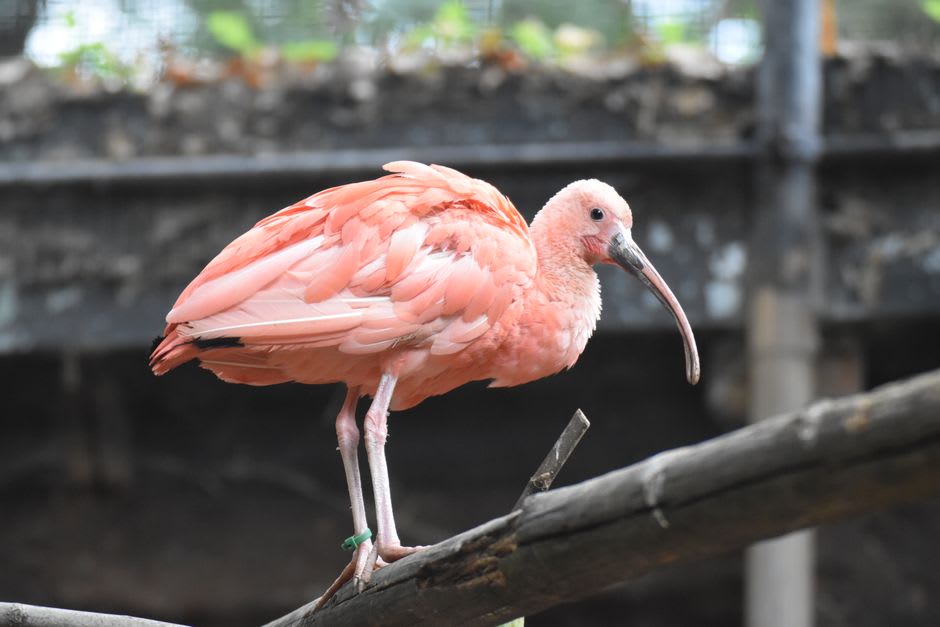
The birds were what undid me, honestly. I’ve seen plenty of wetlands across Latin America by now, but nothing prepared me for a sky suddenly filled with scarlet ibis lifting off a marsh at dusk, that improbable red against the grey-green flatness of the llanos. Our guide pointed out an anaconda track pressed into the mud near camp one morning, and I’ll admit I didn’t sleep especially well that night, tent zipped tight, listening to a park that felt entirely indifferent to our presence.
We ate simply out there, mostly rice and whatever fish our guide’s cousin had pulled from the river that morning, cooked over a fire while capybara families grazed close enough that Lia stopped even trying to photograph them and just watched. Leaving felt strange, like stepping out of a room that had been sealed shut for fifty years and would seal itself right back up behind us.
When to go: aim for December through April, the dry season, when the water retreats to a handful of pools and rivers and the wildlife has nowhere else to concentrate but around them.
Keep exploring
More from Los Llanos
 llanos-venezuela
 Barinas
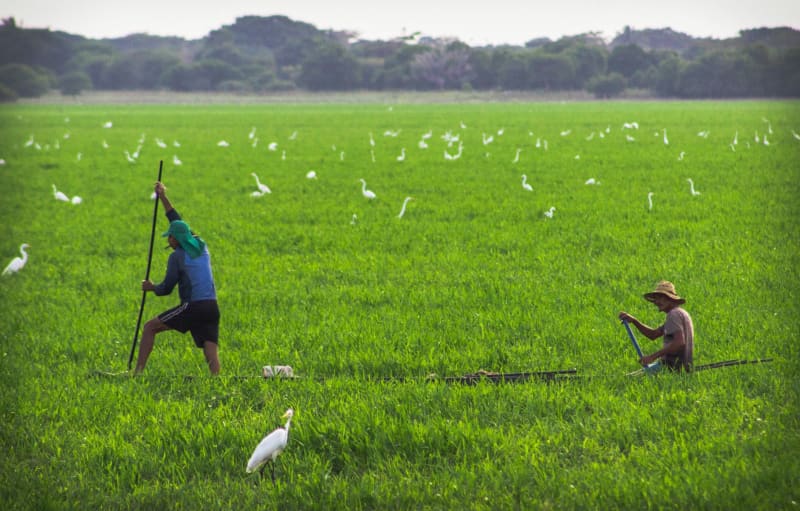
The city where the Andes release the land and the Llanos begins — a cattle capital with a mountain horizon and real heat.
Explore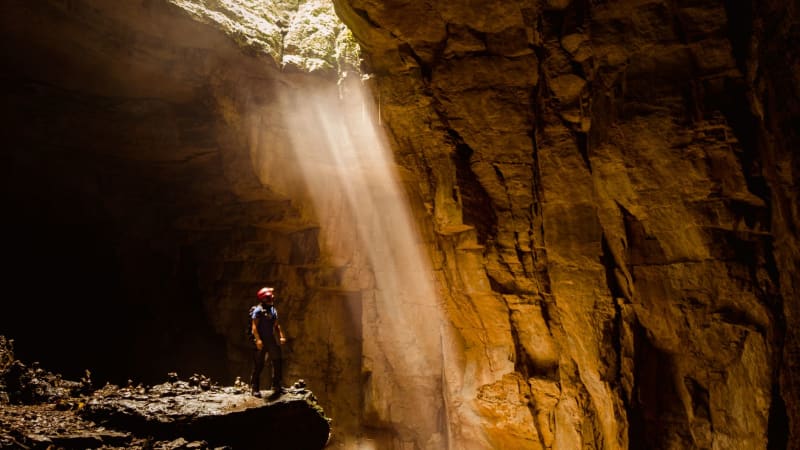 llanos-venezuela
 Calabozo
A central Llanos town with a surprising scientific history, a large reservoir, and electric eels in the surrounding rivers.
Explore llanos-venezuela
 Capanaparo River
A wide, sand-banked river on the Colombian border where pink dolphins surface at dawn and crocodiles outnumber the boats.
Explore llanos-venezuela
 Elorza
One of the most remote towns in the Venezuelan Llanos, reachable only by small plane or many hours of rough road, and worth both.
Explore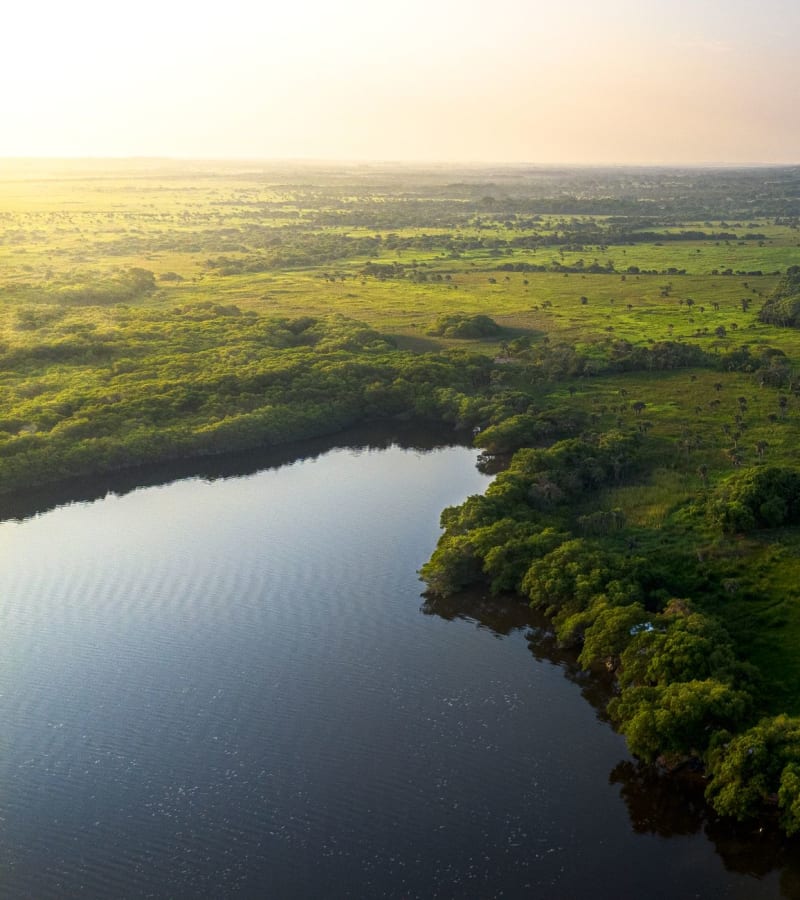 llanos-venezuela
 Esteros de Camaguán
A protected sweep of seasonal marsh in Guárico where the wet-season floods turn the plain into a shallow inland sea thick with birds and caimans.
Explore llanos-venezuela
 Guasdualito
A frontier town on the Colombian border where the Llanos feels untamed and the Arauca River does whatever it wants.
Explore