Rumšiškės Open Air Museum
"I came for a quick walk between two villages and left three hours later, smelling of woodsmoke and rye bread."
A sprawling open-air museum on the Kaunas Reservoir where 180 relocated wooden buildings recreate four centuries of Lithuanian village life.
Lia found Rumšiškės on a map almost by accident, a green blob near Kaunas labeled “ethnographic museum,” and I nearly talked us out of the detour. I’m glad I didn’t. We drove out from Kaunas expecting a tidy little heritage park and instead found something closer to a small country folded into 175 hectares — one of the largest open-air museums in Europe, they told us at the entrance, and after walking a fraction of it I believed them. There’s no single “museum building” here. You just start walking, and Lithuania’s regions start appearing around you, one homestead at a time.
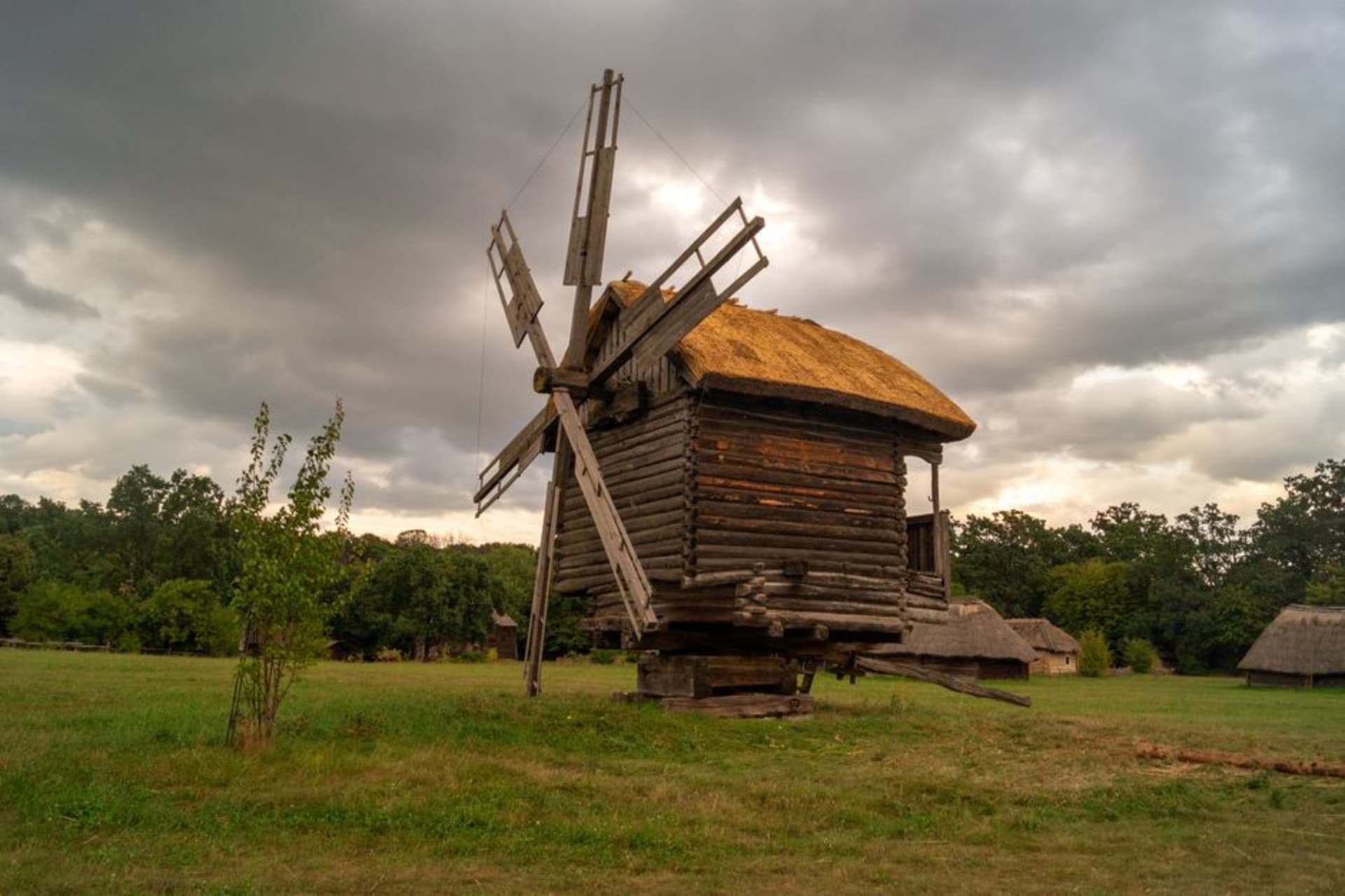
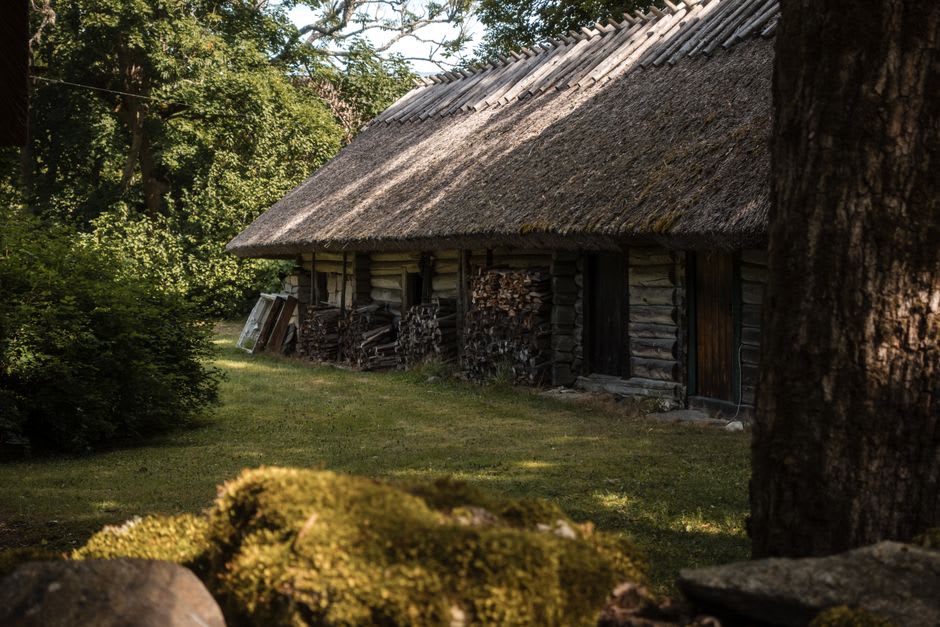
What struck me first was how deliberately unstaged it felt. The museum opened in 1974, and every one of its more than 180 buildings was physically moved here from somewhere real — a farmhouse from Aukštaitija, a fisherman’s cottage that once stood elsewhere, a windmill that used to actually grind grain for actual people. We wandered from the Aukštaitija cluster into Dzūkija without really noticing the boundary, except that the houses got smaller and the wood darker, and Lia pointed out how the barns changed shape entirely once we crossed into Žemaitija territory.
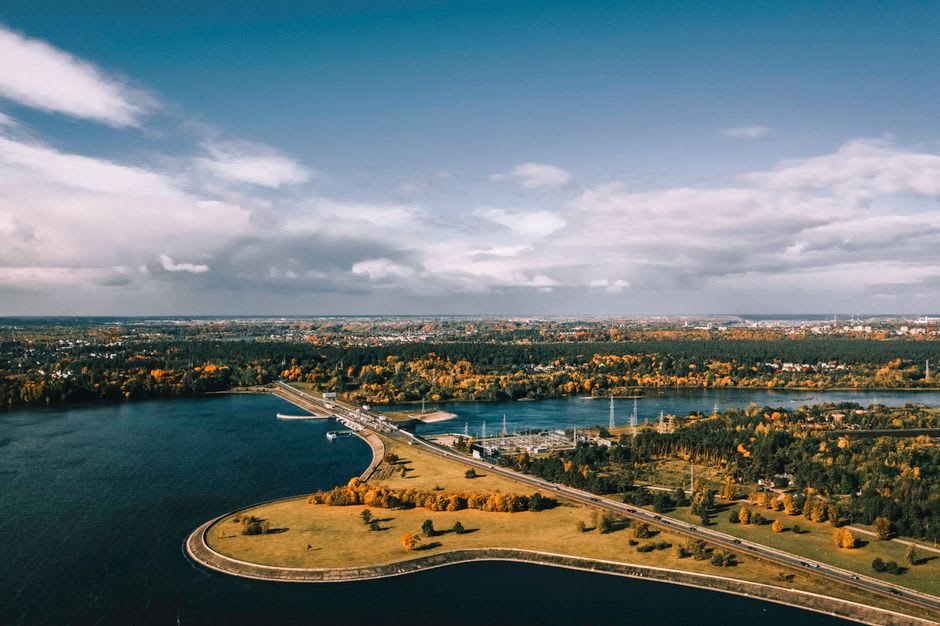
We stopped for a long time at a bakery building where a woman was pulling dark rye bread out of a clay oven exactly the way it would have been done a hundred years ago, and she cut us both a warm slice with butter that I still think about. Past the Suvalkija homesteads, the land opens up toward the water — the museum sits right on the Kaunas Reservoir, that huge artificial lake formed when they dammed the Nemunas back in the 1950s, and there’s something quietly strange about standing among centuries-old farmhouses looking out at a body of water that’s barely older than my parents.
By the time we reached the little town square section, with its church, tavern, and fire station rebuilt block by block, my legs were done and I still hadn’t seen it all. We didn’t rush the last stretch — we just sat by the windmill, watched the light change over the reservoir, and let it be the slow, unglamorous kind of afternoon that ends up being one of the best of the trip.
When to go: We went in June and caught the museum at its fullest — craftspeople at work, ovens actually lit, farmyards actually smelling like farmyards. Aim for May through September if you want the exhibits and demonstrations running properly, rather than just the empty buildings.