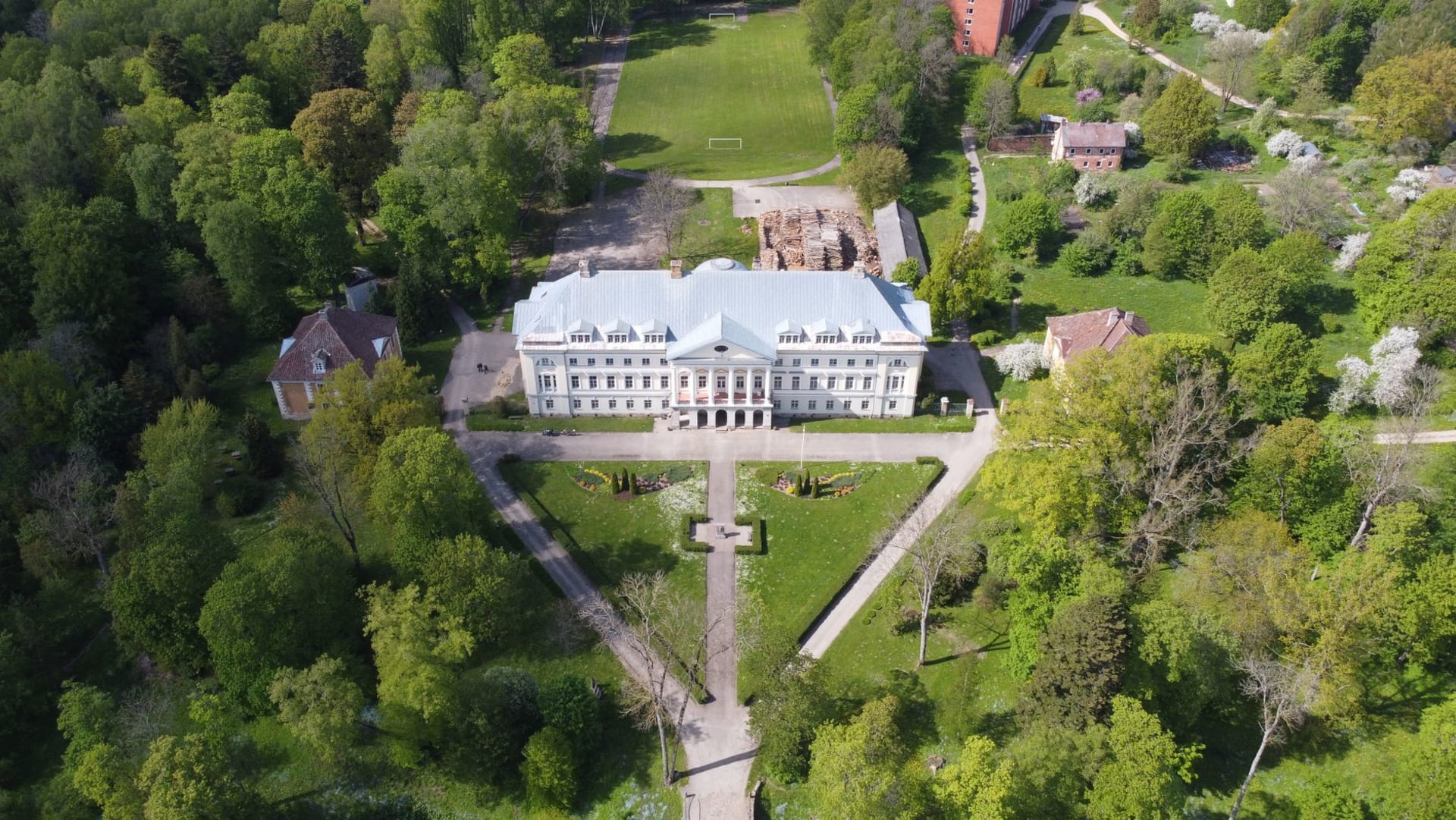
Druskininkai
"Druskininkai is the kind of place that makes you understand why Europeans built spa towns — the forest and the water do actually do something to you."
I did not expect to find one of my favorite places in Lithuania at a spa resort. I arrived in Druskininkai on an afternoon bus from Vilnius — the two-hour drive south through increasingly flat farmland and then deeper into pine forest — expecting somewhere pleasant but slightly sedate, a place people came to soak in mineral water and watch television in large hotels. What I found instead was a town with the quality of having been left slightly behind by the century, in the best possible way: wooden villas in pastel colors along forested promenades, the smell of pine resin and mineral sulfur mixing in the air, and a population that moved at a pace that seemed calibrated to blood pressure.
Druskininkai sits at the confluence of the Nemunas and Ratnyčia rivers in the deep south of Lithuania, close to the Belarusian border. Its mineral springs were discovered in the eighteenth century and brought the Russian aristocracy in sufficient numbers to fund an entire built environment of wooden spa architecture — elaborately carved facades, covered promenades, pavilions over the spring houses — much of which survived both Soviet repurposing and post-independence redevelopment. Walking the main promenade on a September morning with nobody else about, the wooden buildings half-hidden behind mature pines, I felt the specific pleasure of being in a place that time had not entirely caught up with.

The Soviet sanatoriums are the other Druskininkai. During the Soviet period, the town became a major health resort for the entire USSR, and enormous modernist health complexes were built to accommodate workers on state-mandated rest cures. Several of these have been repurposed as hotels and wellness centers, and they retain their curious combination of ambition and austerity — huge swimming pools with mineral water, long corridors of treatment rooms, cafeterias that serve Baltic cuisine in portions sized for people who have been hiking. I took the waters in a converted sanatorium one afternoon, in a mineral spring pool that smelled of sulfur and felt slightly oily, and lay there reading for an hour while the treatment-room sounds echoed through the building. I slept extremely well that night.
Grūtas Park, a few kilometers outside town, is a destination of a different register. Built in a forest clearing, it is an outdoor museum of Soviet-era monumental sculpture: Stalin, Lenin, Marx, Engels, and dozens of lesser party officials, removed from their pedestals across Lithuania after independence and collected here behind low wire fencing. Walking among them is an uncanny experience — these enormous bronze figures, built to project absolute authority, now standing in a forest behind wire next to information panels explaining their history and fate. There is a small railway through part of the park and a Soviet-era restaurant. The whole thing manages to be simultaneously absurd, sobering, and deeply Lithuanian in its deadpan approach to its own difficult history.

Jacques Lipchitz, the sculptor, was born here in 1891. There is a small museum in his birthplace on the main square, and it is worth an hour — not a large collection, but enough to trace the arc from his Lithuanian Jewish childhood to the Paris avant-garde to New York exile. Standing in the room where he was born, looking at photographs of his cubist bronzes, and then walking out into the pine-scented streets of the town he left, I felt the particular weight of the early twentieth century.
When to go: Autumn is the season for Druskininkai — September and October bring extraordinary color to the pine and birch forests, the spa hotels are quiet, and the mineral waters seem more appealing when the air has turned cool. Summer is busy with Lithuanian families and the water park complex draws large crowds. Winter, when the town runs cross-country ski trails through the forest, has a quality of Nordic quiet that suits the place. Spring mud is the one season to avoid.