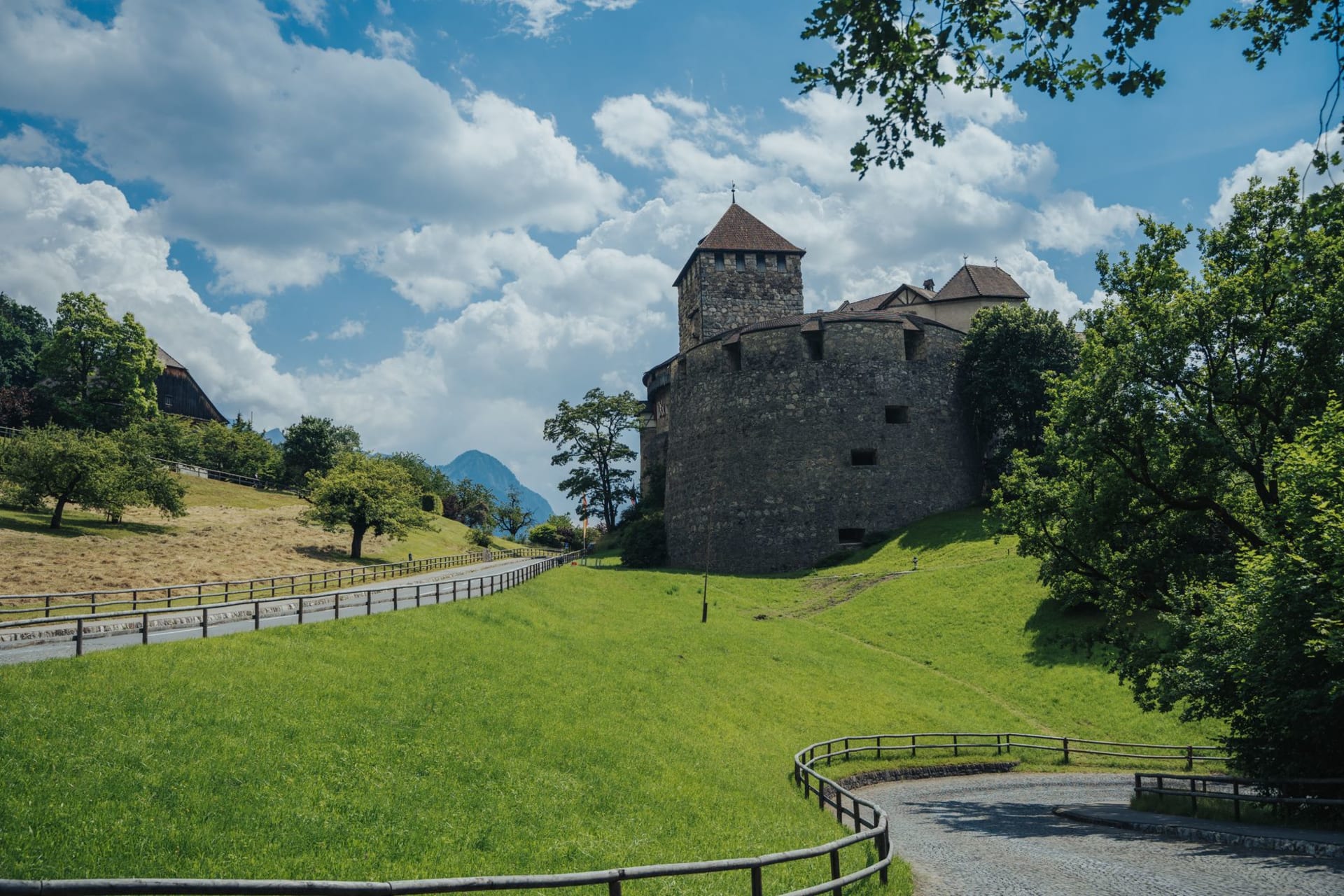
Triesenberg
"From up here, Vaduz looks like a toy. I understood the Walsers immediately."
A Walser village on a mountain terrace that looks down on everything — including the capital — with a quiet Alpine authority.

The road up to Triesenberg switchbacks through forest and then suddenly you’re on a terrace above everything. The Rhine valley opens below like a relief map — the river a silver thread, Vaduz a cluster of rooftops, Switzerland just across the water, Austria visible if you crane to the right. The first time I made this drive I pulled over immediately and just stood at the edge for a while. There is a particular quality of Alpine light in the late afternoon, almost amber, that makes the valley below look like a painting of itself.
Triesenberg sits at about 900 meters above sea level and it has the personality of a village that has always been slightly apart. The Walser people who settled here in the 13th century came from the Valais and brought their own dialect, their own customs, their own way of building. The Walser Museum in the village center makes this history tangible — it’s a modest place, family-run, housed in a traditional farmhouse, and the woman who showed me around spoke about these medieval migrations with the enthusiasm of someone discussing living relatives. Which, in a way, she was.

The village itself is quiet in a way that Vaduz — full of tourists and diplomats — never quite is. In the mornings, I heard cowbells from somewhere I couldn’t locate precisely. The bakery opened at seven and the bread was dense and seeded and went well with the local cheese I’d bought at a small farm shop. There are walking trails that head up from here into the higher Alpine territory, and the paths are marked with a thoroughness that is, perhaps unsurprisingly, very Liechtenstein — no ambiguity, no overgrown sections, every distance painted on every post.
The church of St. Josef dominates the village square with a confident simplicity. Inside, the painted ceiling is restrained compared to the baroque excess you find elsewhere in the region, as if the Walsers carried their Protestant-adjacent aesthetic sensibility even into their Catholic spaces. I sat in a pew for ten minutes in the middle of a weekday and had the place entirely to myself.

In the evening, I ate Käsknöpfle at the only restaurant I could find open on a Tuesday — egg noodles baked with Alpkäse and heaped with dark, caramelized onions. It was the kind of dish that doesn’t photograph well and tastes better for that. The proprietor told me that in winter, when the snow comes, Triesenberg gets more sky than valley below, and the light is different — clear and blue and very still. I filed that away for another trip.
When to go: Summer (June through September) for walking the high trails and eating on the terrace with the valley below you in its full green. October for the turning of the deciduous forest on the slopes below. Winter is beautiful but quiet — the village retreats into itself and not everything stays open. National Day weekend in August occasionally brings village celebrations worth catching.
Keep exploring
More from Liechtenstein
 liechtenstein
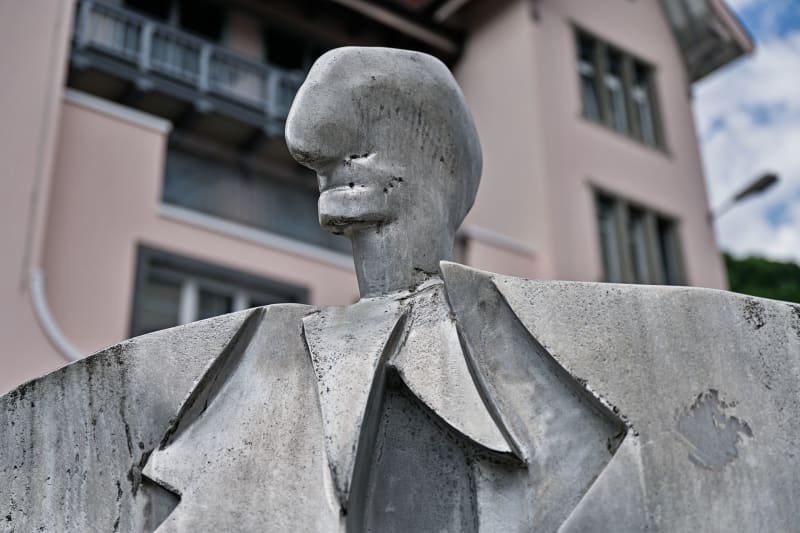
Vaduz
A capital city small enough to cross in twenty minutes, with a real prince watching from a real castle on the hill above.
Explore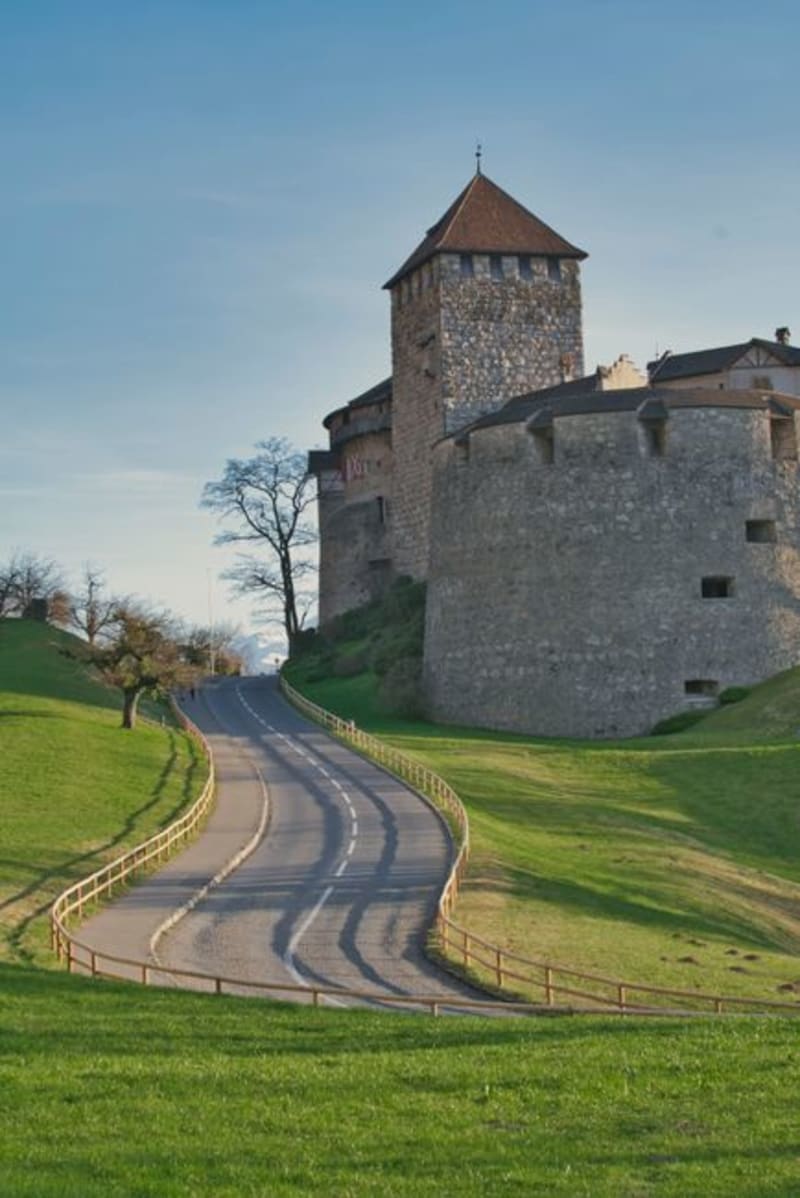 liechtenstein
Vaduz Castle
A princely residence on a wooded hill above Vaduz, closed to visitors but impossible to stop staring at from the trails below.
Explore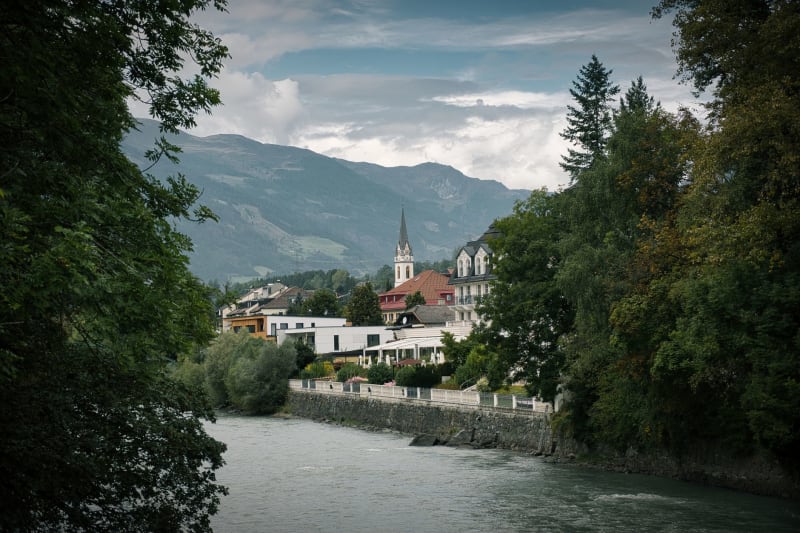 liechtenstein
Balzers
The southernmost village in Liechtenstein, anchored by a medieval castle on a volcanic plug that the rest of Europe seems to have forgotten about.
Explore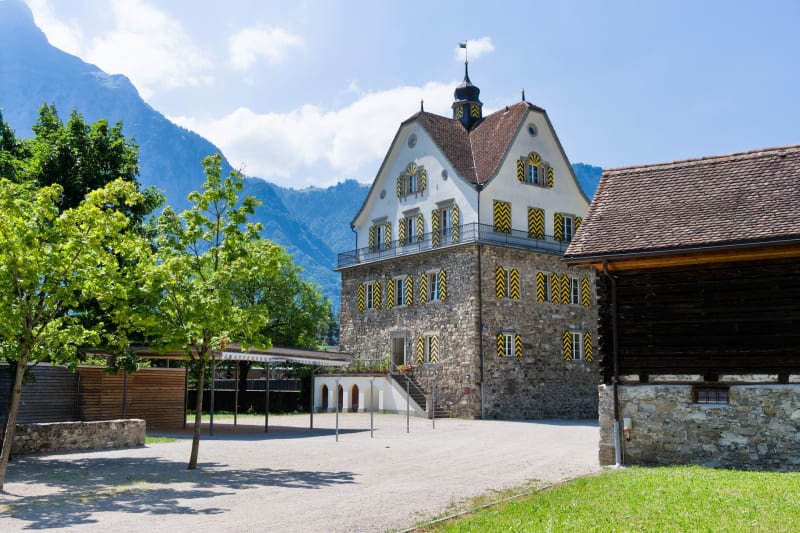 liechtenstein
Gaflei
A high Alpine hamlet above Triesenberg where the hiking trails are serious, the views are enormous, and the silence is a physical presence.
Explore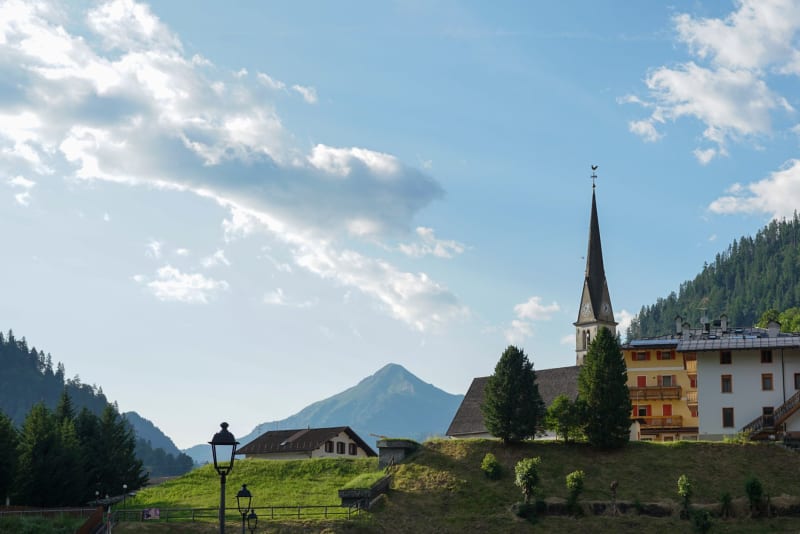 liechtenstein
Malbun
Liechtenstein's only ski resort — a single valley tucked into the Alps where the Royal family once learned to ski and the lift queues never really happen.
Explore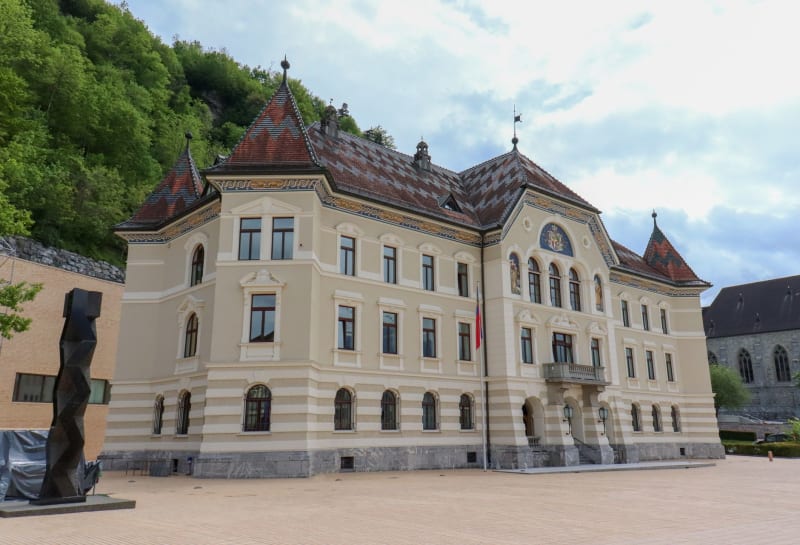 liechtenstein
Nendeln
A small hamlet within Eschen where Liechtenstein's ceramics tradition and unexpected Roman history meet on a plain that once marked the edge of empire.
Explore