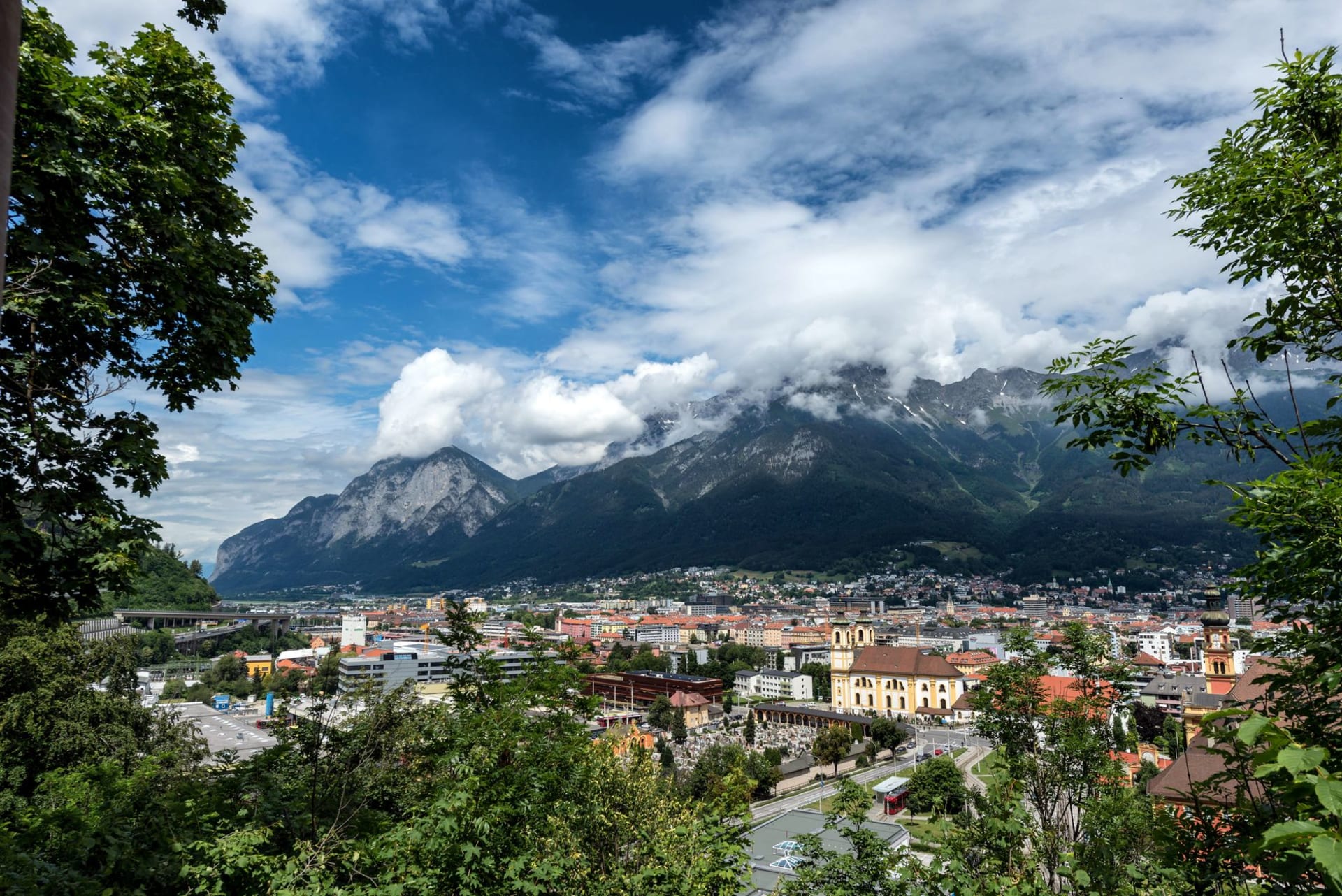
Triesen
"The chapel is small enough that a single candle changes the quality of the light inside."
Triesen is about as far from the tourist circuit as you can get inside a country the size of a city park. It sits between Vaduz to the north and Balzers to the south, right on the Rhine plain where the valley floor is wide and flat and the mountains rise steeply to the east. I came here specifically to find the chapel of Maria im Winkel — the Virgin in the Corner — which I’d read about in a guidebook footnote and which turned out to be exactly the kind of place guidebook footnotes exist to mention.
The chapel is small and old and sits at the edge of the village where the flat ground begins to slope upward toward the hills. It dates from the 15th century in its current form but the site is older — a pilgrimage destination in the medieval sense, a place people walked to from the surrounding villages when something important needed asking. The interior holds painted panels and carved figures and the accumulated votive offerings of centuries, and it smells of melted wax and stone and the particular kind of dust that settles in places where people come to be serious.
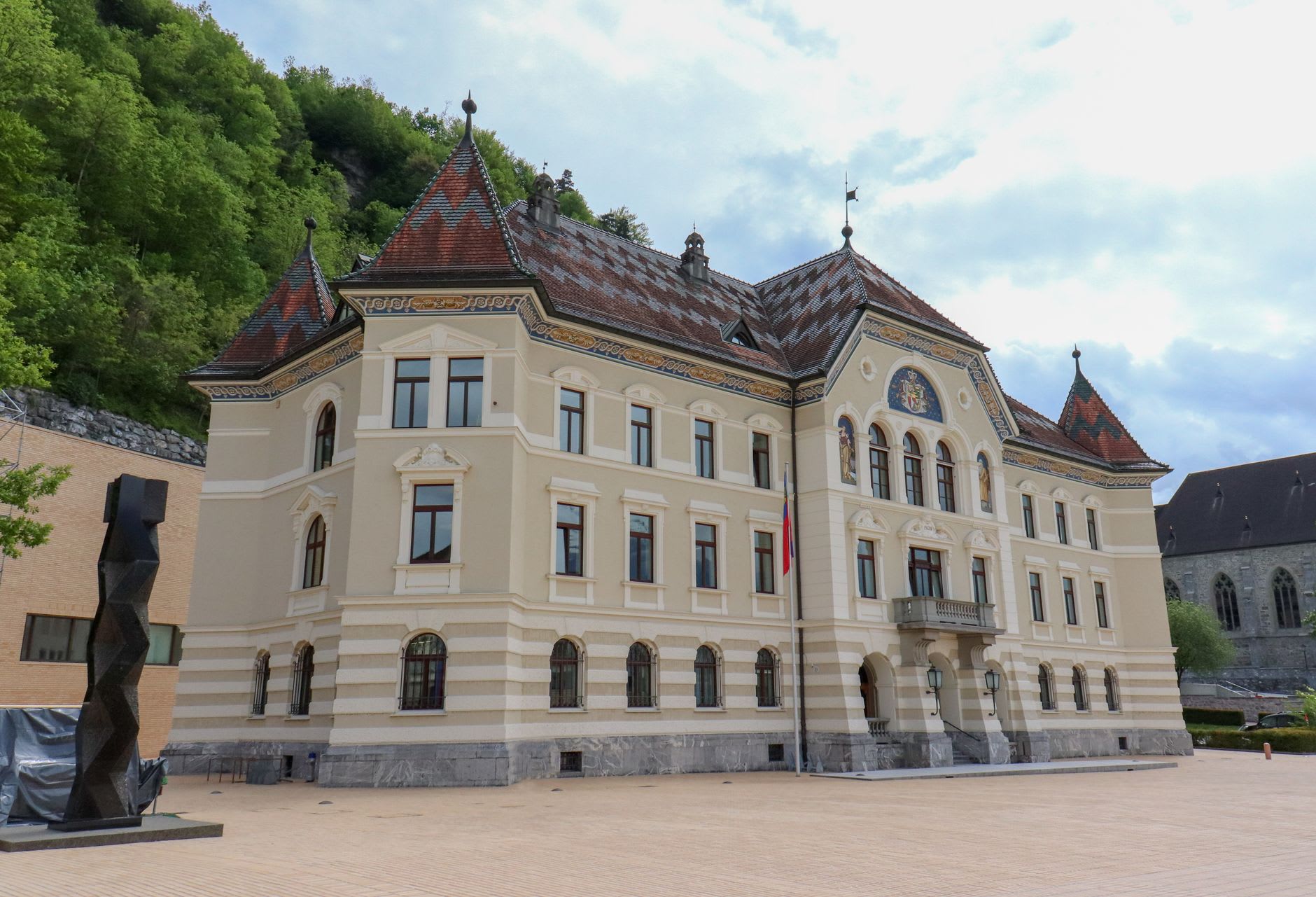
Outside the chapel, old chestnut trees provide the kind of shade that takes a hundred years to develop. On the September afternoon I visited, the light came through the leaves in shifting pieces, and a man was sitting on the bench by the chapel door reading a newspaper with the total absorption of someone in no hurry. I sat nearby for a while and read nothing at all.
The village itself is gentle and domestic. The main street has farmhouses that have been in the same families for generations, their broad eaves overhanging stacked woodpiles and kitchen gardens where the last tomatoes of the season were still hanging heavy. Triesen’s population is just a few thousand, and the pace of the place reflects this — not sluggish, just unhurried in the specific way of communities where the next generation tends to stay.

The vineyards on the lower slopes above the village grow the same Pinot Noir that the entire country seems committed to. In October, when the harvest comes in, there’s a particular sweetness in the air — fermenting grape skins, cold mornings, woodsmoke from the first fires of the season. I’ve visited Triesen twice now, once in September and once in early October, and October is the version I keep returning to in memory. Something about the village at harvest season — the physical work of it, the cellars open, the smell of new wine — makes the place feel genuinely inhabited in a way that even the most charming tourist towns rarely achieve.
When to go: Late September and October for the harvest atmosphere and the valley turning golden. Spring brings the vineyards back to life and the pilgrimage chapel sees more local visitors for the Easter season. Triesen is best combined with a drive south to Balzers — the two villages make a quiet, unhurried afternoon itinerary that rewards those who’ve spent a morning in Vaduz and want something without gift shops.